



ISSN 1004-132X
CN 42-1294/TH
CN 42-1294/TH
中国机械工程 ›› 2025, Vol. 36 ›› Issue (11): 2477-2485.DOI: 10.3969/j.issn.1004-132X.2025.11.001
秦斌( ), 郝嘉旭, 林静雯, 张泉()
收稿日期:2025-05-21
出版日期:2025-11-25
发布日期:2025-12-09
通讯作者:
张泉
作者简介:秦 斌,男,1990年生,副教授、博士研究生导师。研究方向为高压二氧化碳流动与传热等。E-mail:qinbin@csu.edu.cn基金资助:
Bin QIN(), Jiaxu HAO, Jingwen LIN, Quan ZHANG()
Received:2025-05-21
Online:2025-11-25
Published:2025-12-09
Contact:
Quan ZHANG
摘要:
气体管路系统中常使用减压阀来控制下游压力,目前常规小型减压阀的降压幅度较小,难以满足超高压下的降压需求。提出了一种超高压条件下输出压力可调的小型减压阀,其输入压力为19~60 MPa,输出压力为7~13 MPa。通过建立试验平台、设置不同的减压阀上游压力和下游阻力,研究了减压阀在四类工况下工作性能的稳定性以及特性参数的变化。经过试验验证,该减压阀可以在超高压使用场景下维持下游压力稳定,管路接通后减压阀的响应时间为0.5~6.0 s,响应后10 s内的压力波动幅度为0.12%~4.49%。结果表明:减压阀阀后压力变化趋势与上游压力有关,上游压力减小时输出压力先减小再增大,上游压力稳定时输出压力有减小的趋势。研究结果可指导该型减压阀在气体管路系统中的应用。
中图分类号:
秦斌, 郝嘉旭, 林静雯, 张泉. 多工况下气体减压阀特性试验研究[J]. 中国机械工程, 2025, 36(11): 2477-2485.
Bin QIN, Jiaxu HAO, Jingwen LIN, Quan ZHANG. Experimental Study of Characteristics of Gas Pressure Reducing Valves under Different Working Conditions[J]. China Mechanical Engineering, 2025, 36(11): 2477-2485.
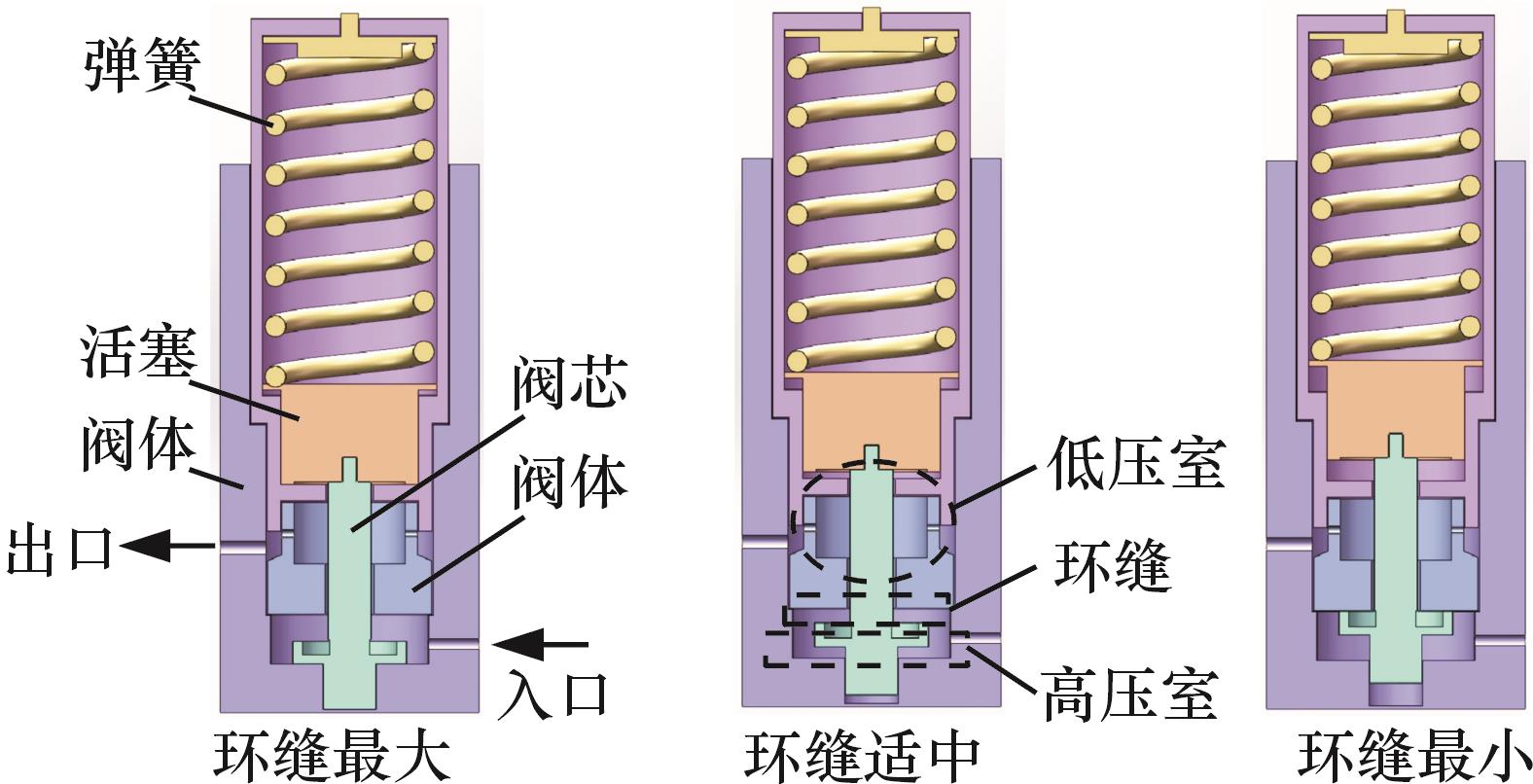
图1 减压阀结构简化图
Fig.1 Simplified diagram of the structure of the pressure reducing valve
| 参数 | 数值 |
|---|---|
| 入口压力/MPa | 19~60 |
| 出口压力/MPa | 7~13 |
| 工作温度/℃ | -40~50 |
| 壳体强度/MPa | ≥105 |
| 质量/kg | 1.07 |
| 过滤精度/μm | 30 |
表1 减压阀主要参数
Tab.1 Main parameters of pressure reducing valve
| 参数 | 数值 |
|---|---|
| 入口压力/MPa | 19~60 |
| 出口压力/MPa | 7~13 |
| 工作温度/℃ | -40~50 |
| 壳体强度/MPa | ≥105 |
| 质量/kg | 1.07 |
| 过滤精度/μm | 30 |
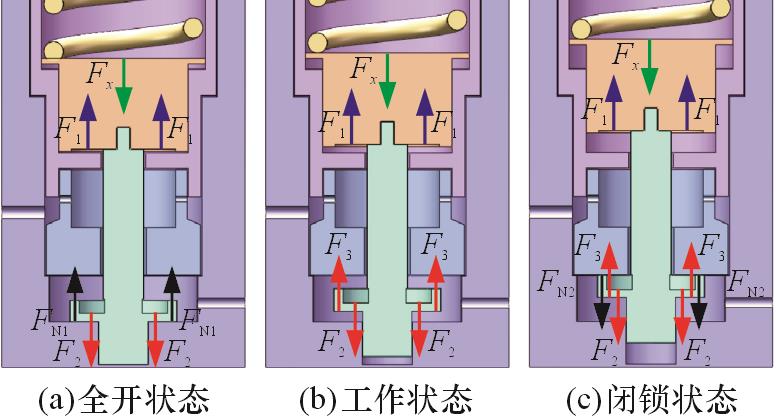
图2 减压阀内部受力示意图
Fig.2 The force diagram inside the pressure reducing valve
| 工况 | 压力条件 | 上游压力 | 下游压力 |
|---|---|---|---|
| 工况1 | 上游压力减小,下游背压不变 | 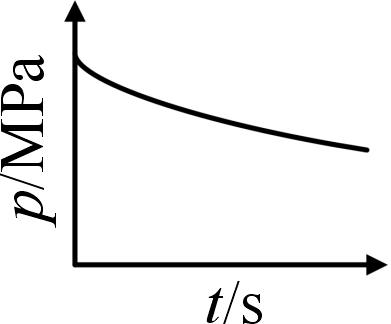 | 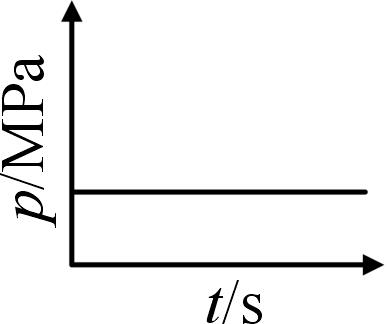 |
| 工况2 | 上游压力减小,下游背压不变 | 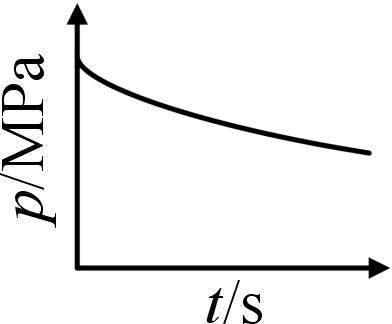 | 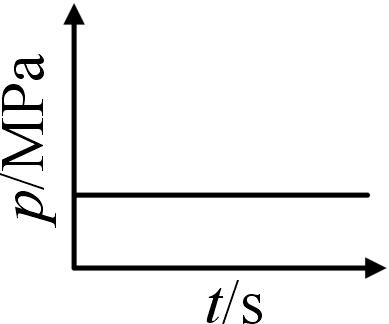 |
| 工况3 | 上游压力减小,下游背压增大 | 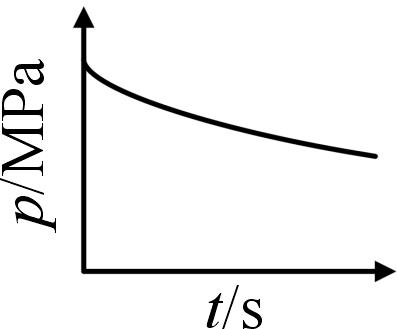 | 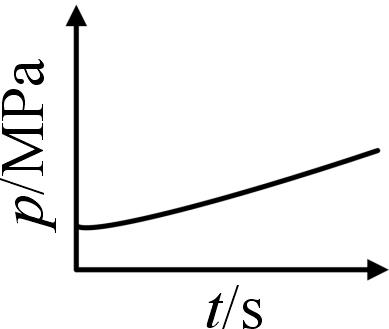 |
| 工况4 | 上游压力减小,下游背压减小 | 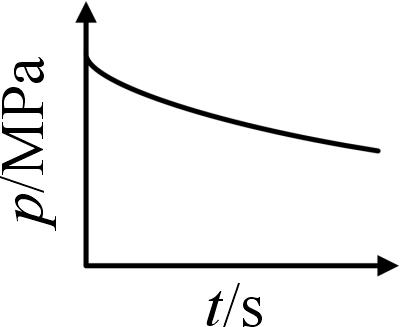 | 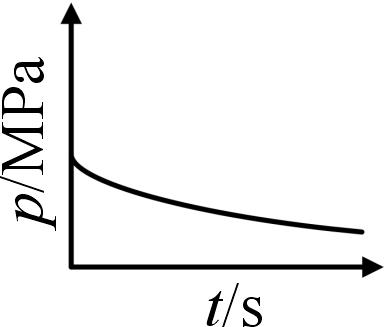 |
表2 压力条件与预期效果
Tab.2 Pressure conditions and expected effects
| 工况 | 压力条件 | 上游压力 | 下游压力 |
|---|---|---|---|
| 工况1 | 上游压力减小,下游背压不变 | | |
| 工况2 | 上游压力减小,下游背压不变 | | |
| 工况3 | 上游压力减小,下游背压增大 | | |
| 工况4 | 上游压力减小,下游背压减小 | | |
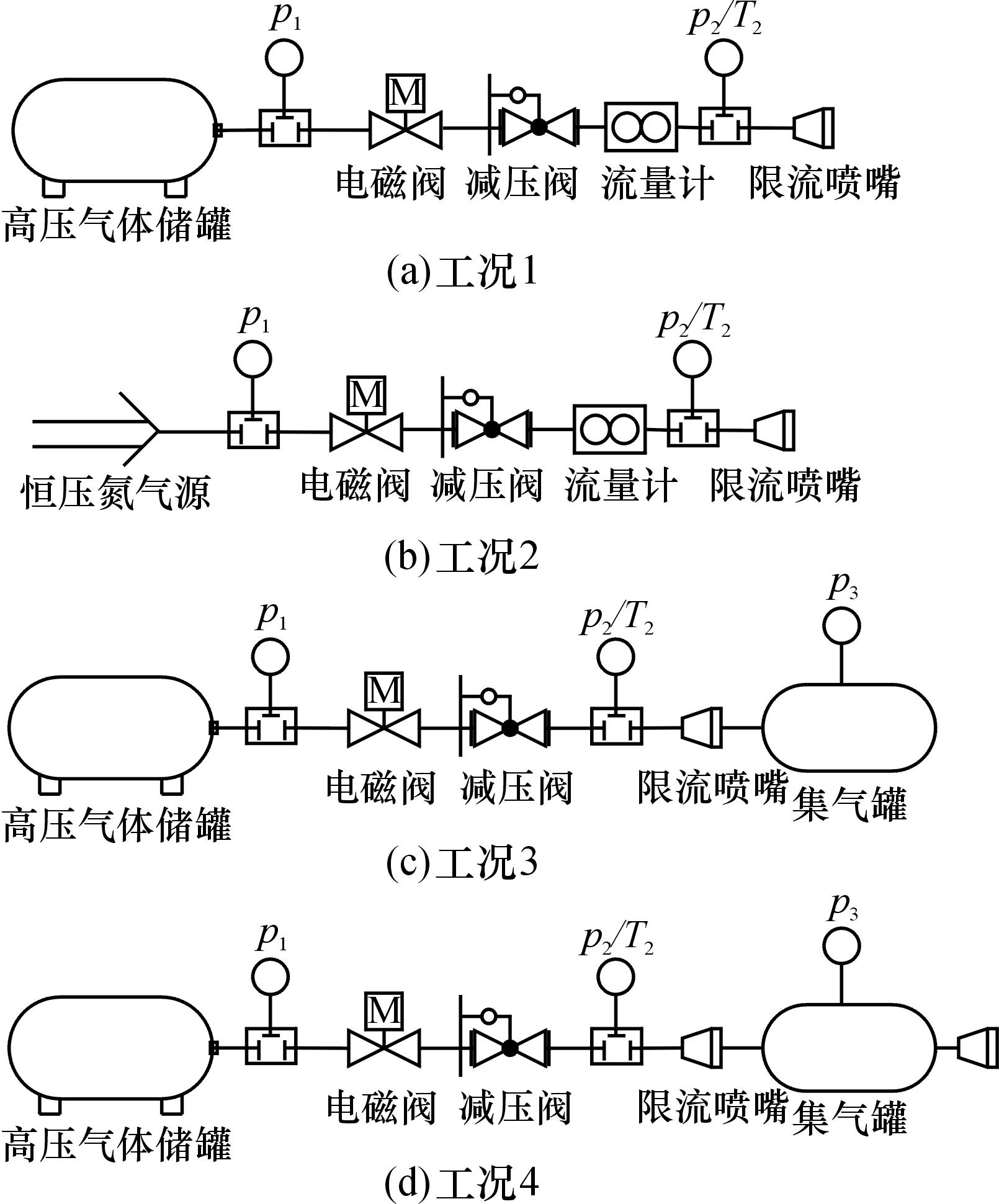
图3 试验原理
Fig.3 Schematic of the experiment
| 试验 | 工况 | 上游初始压力/MPa | 减压阀设置 | 下游初始背压/MPa |
|---|---|---|---|---|
| 试验1 | 工况1 | 40.5 | 挡位1 | |
| 试验2 | 工况1 | 40.4 | 挡位2 | |
| 试验3 | 工况2 | 19.0 | 挡位2 | |
| 试验4 | 工况2 | 18.7 | 挡位5 | |
| 试验5 | 工况3 | 35.1 | 挡位1 | 1.2 |
| 试验6 | 工况3 | 34.9 | 挡位2 | 1.2 |
| 试验7 | 工况3 | 35.2 | 挡位3 | 1.2 |
| 试验8 | 工况4 | 52.1 | 挡位4 | |
| 试验9 | 工况3 | 32.0 | 挡位4 | |
| 试验10 | 工况3 | 32.0 | 挡位5 |
表3 试验初始工况
Tab. 3 Initial conditions of the experiment
| 试验 | 工况 | 上游初始压力/MPa | 减压阀设置 | 下游初始背压/MPa |
|---|---|---|---|---|
| 试验1 | 工况1 | 40.5 | 挡位1 | |
| 试验2 | 工况1 | 40.4 | 挡位2 | |
| 试验3 | 工况2 | 19.0 | 挡位2 | |
| 试验4 | 工况2 | 18.7 | 挡位5 | |
| 试验5 | 工况3 | 35.1 | 挡位1 | 1.2 |
| 试验6 | 工况3 | 34.9 | 挡位2 | 1.2 |
| 试验7 | 工况3 | 35.2 | 挡位3 | 1.2 |
| 试验8 | 工况4 | 52.1 | 挡位4 | |
| 试验9 | 工况3 | 32.0 | 挡位4 | |
| 试验10 | 工况3 | 32.0 | 挡位5 |
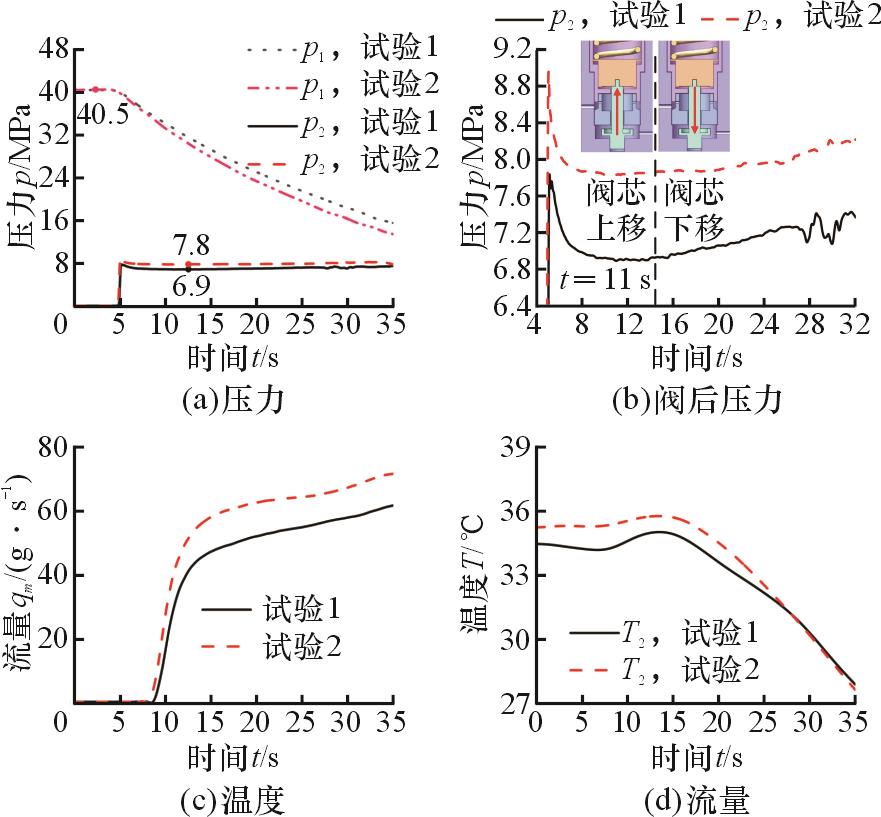
图4 工况1试验结果
Fig.4 Experimental results of Case 1
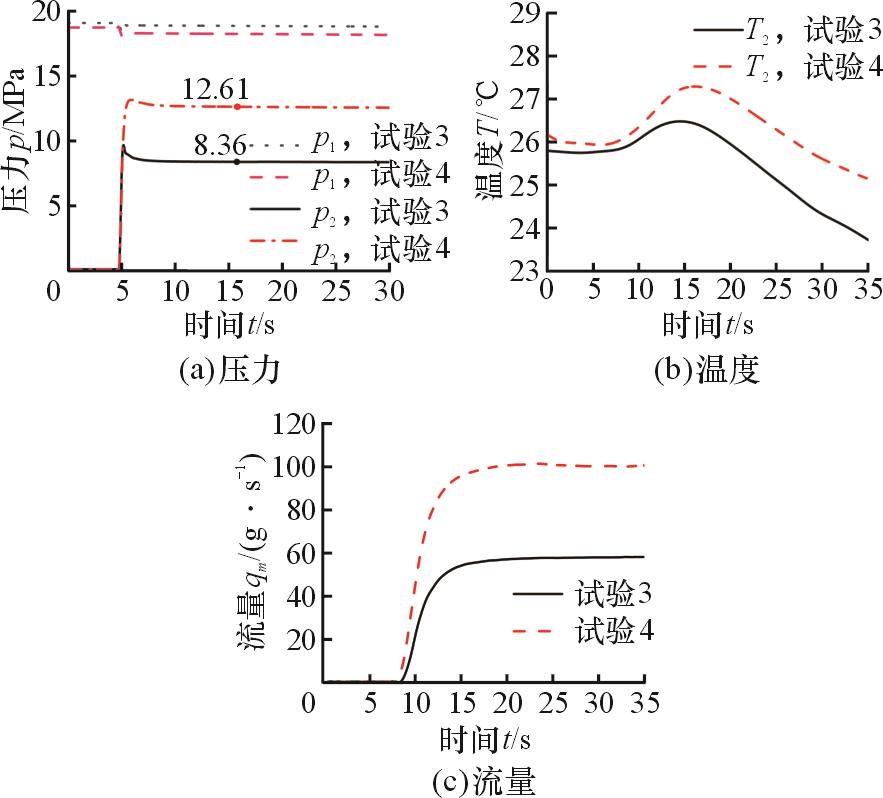
图5 工况2试验结果
Fig.5 Experimental results of Case 2
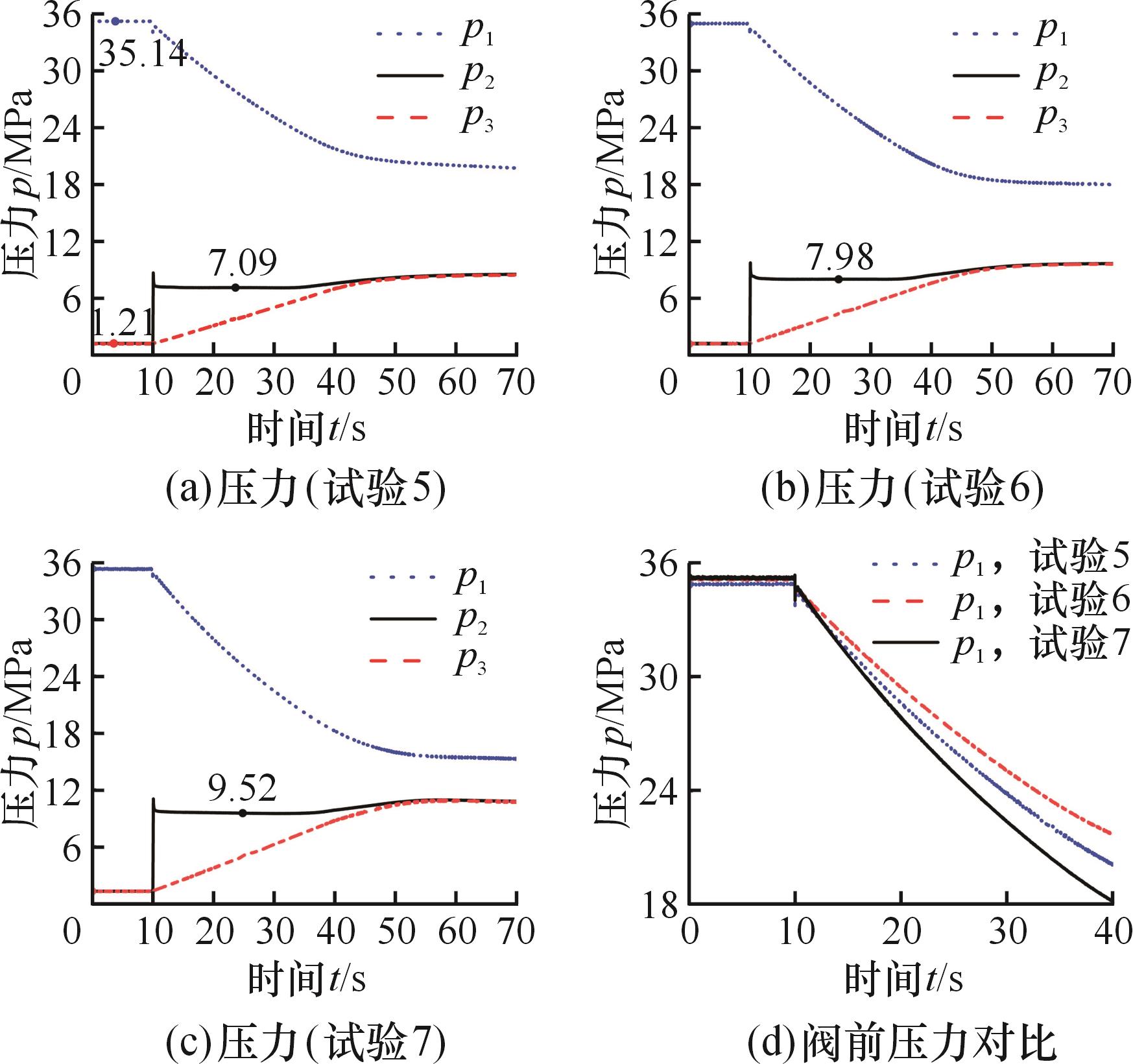
图6 工况3试验结果
Fig.6 Experimental results of Case 3
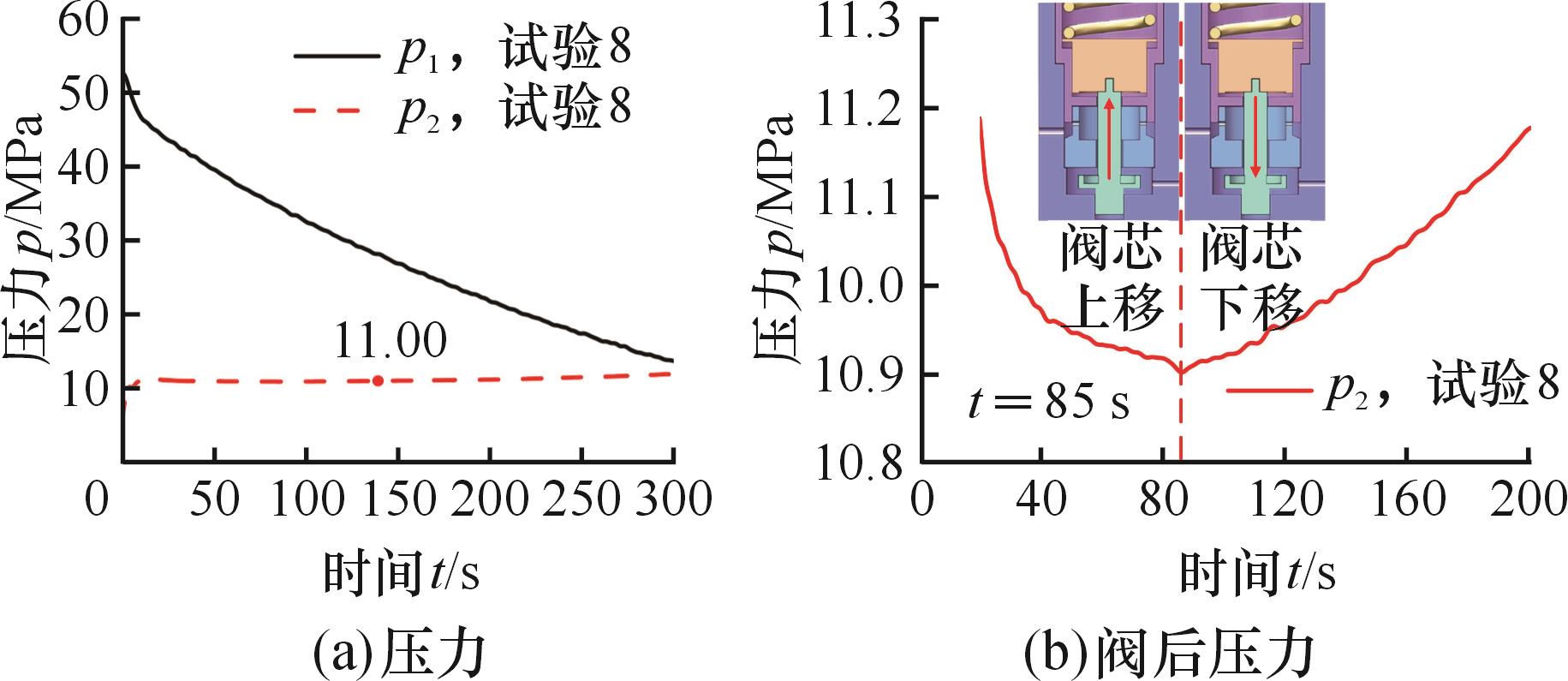
图7 工况4试验结果
Fig.7 Experimental results of Case 4
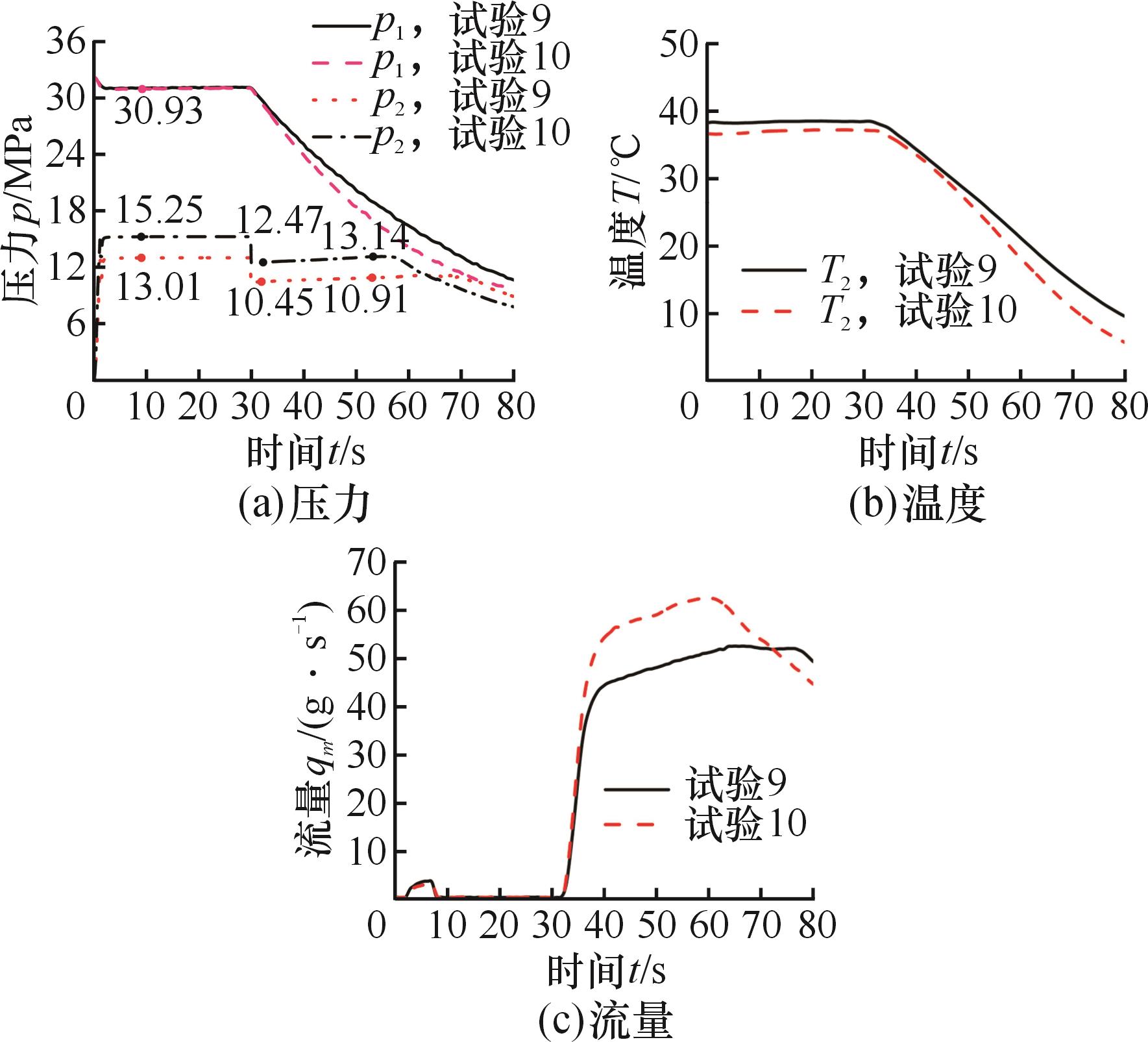
图8 闭锁状态及失效状态试验结果
Fig.8 Experimental results of locked state and failure state
| 工况 | 减压阀压力特性 | 原因分析总结 |
|---|---|---|
| 工况1/3/4(上游压力减小) | 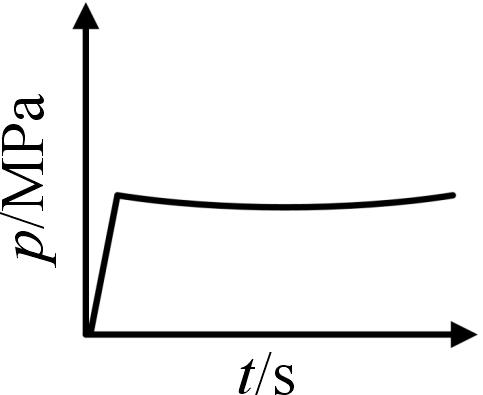 | 前期活塞带动阀芯向上移动,减压阀开度减小,阀后压力减小。后期阀前压力减小,弹簧力大于阀前压力,开度增大,阀后压力增大 |
| 工况2(上游压力不变) | 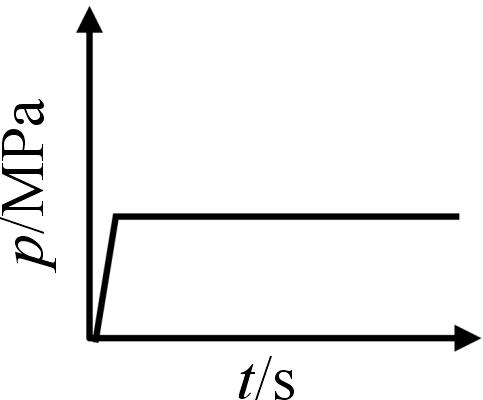 | 阀前压力对活塞施加力不变,活塞位置不变,开度不变,阀后压力不变 |
| 闭锁状态下启动(上游压力减小) | 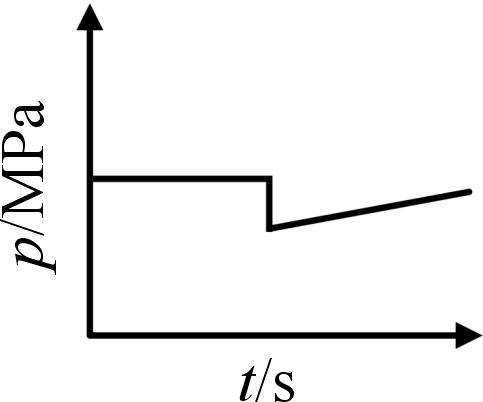 | 闭锁时环缝开度为0,阀后压力减小后,弹簧力使阀芯往下移动,节流环缝开度变大,阀后压力增大 |
表4 试验结果及分析汇总
Tab. 4 Summary of experimental results and analysis
| 工况 | 减压阀压力特性 | 原因分析总结 |
|---|---|---|
| 工况1/3/4(上游压力减小) | | 前期活塞带动阀芯向上移动,减压阀开度减小,阀后压力减小。后期阀前压力减小,弹簧力大于阀前压力,开度增大,阀后压力增大 |
| 工况2(上游压力不变) | | 阀前压力对活塞施加力不变,活塞位置不变,开度不变,阀后压力不变 |
| 闭锁状态下启动(上游压力减小) | | 闭锁时环缝开度为0,阀后压力减小后,弹簧力使阀芯往下移动,节流环缝开度变大,阀后压力增大 |
| [1] | JANUS T, ULANICKI B. Improving Stability of Electronically Controlled Pressure-reducing Valves through Gain Compensation[J]. Journal of Hydraulic Engineering, 2018, 144(8): 04018053. |
| [2] | KHAN H A, YUN S N, JEONG E A, et al. A Novel Design and Performance Evaluation Technique for a Spool-actuated Pressure-reducing Valve[J]. Actuators, 2021, 10(9): 232. |
| [3] | XU Enle, NIE Chenglei, JIANG Xiaofeng, et al. Theoretical Investigation on the Throttle Pressure Reducing Valve through CFD Simulation and Validating Experiments[J]. Korean Journal of Chemical Engineering, 2021, 38(2): 400-405. |
| [4] | GAD O. Modeling of Impact of the Poppet Element on Its Seat Body in Pressure Relief Valves[J]. Proceedings of the Institution of Mechanical Engineers, Part I: Journal of Systems and Control Engineering, 2021, 235(5): 703-720. |
| [5] | QIAN Jinyuan, WEI Lin, ZHANG Ming, et al. Flow Rate Analysis of Compressible Superheated Steam through Pressure Reducing Valves[J]. Energy, 2017, 135: 650-658. |
| [6] | DESAI S, DESAI A, KARANDE V. Design and Weight Optimization of Buffer Relief Valve Using FEA with Experimental Validation[J]. Materials Today: Proceedings, 2020, 27: 1466-1472. |
| [7] | ZHANG Yanhong, LIU Bin, SHE Xiaohui, et al. Numerical Study on the Behavior and Design of a Novel Multistage Hydrogen Pressure-reducing Valve[J]. International Journal of Hydrogen Energy, 2022, 47(32): 14646-14657. |
| [8] | GUPTA A, BOKDE N, KULAT K, et al. Nodal Matrix Analysis for Optimal Pressure-reducing Valve Localization in a Water Distribution System[J]. Energies, 2020, 13(8): 1878. |
| [9] | LIU J R, JIN B, XIE Y J, et al. Research on the Electro-hydraulic Variable Valve Actuation System Based on a Three-way Proportional Reducing Valve[J]. International Journal of Automotive Technology, 2009, 10(1): 27-36. |
| [10] | SONG Yanhe, BA Kaixian, CHEN Xin, et al. Polynomial Excitation Current Compensation Control for Dead Zone and Hysteresis of Three-way Proportional Pressure Reducing Valve[J]. International Journal of Control, Automation and Systems, 2024, 22(7): 2142-2157. |
| [11] | 王涛, 姚蘅, 彭光正. 气动减压阀流量特性连续测量方法的研究[J]. 中国机械工程, 2011, 22(6): 636-641. |
| WANG Tao, YAO Heng, PENG Guangzheng. Study on Continuous Measurement Method of Flow Rate Characteristics for Pneumatic Regulator[J]. China Mechanical Engineering, 2011, 22(6): 636- 641. | |
| [12] | 彭育辉, 吴智洲, 黄育鹏, 等. 基于试验设计方法的双级CNG减压阀结构改进[J]. 中国机械工程, 2019, 30(20): 2512-2519. |
| PENG Yuhui, WU Zhizhou, HUANG Yupeng, et al. Structure Improvement on Two-stage CNG Pressure Regulators Based on Method of DOE[J]. China Mechanical Engineering, 2019, 30(20): 2512- 2519. | |
| [13] | 郑文明, 雷振尧, 张维中. 三通减压阀试验方法的研究[J]. 液压气动与密封, 2023, 43(7): 108-110. |
| ZHENG Wenming, LEI Zhenyao, ZHANG Weizhong. Research on Test Method of Three-way Pressure Reducing Valve[J]. Hydraulics Pneumatics & Seals, 2023, 43(7): 108-110. | |
| [14] | 姜一通, 赵玲, 费一尘, 等. 气室加载式先导减压阀动态特性分析与参数影响研究[J]. 液压与气动, 2022, 46(12): 160-167. |
| JIANG Yitong, ZHAO Ling, FEI Yichen, et al. Dynamic Characteristic and Parameter Influence Analysis of Chamber-loaded Pilot Pressure Regulator[J]. Chinese Hydraulics & Pneumatics, 2022, 46(12): 160-167. | |
| [15] | 程庄, 张君, 徐士彪, 等. 某型发动机用减压阀性能建模研究[J]. 机床与液压, 2023, 51(14): 195-201. |
| CHENG Zhuang, ZHANG Jun, XU Shibiao, et al. Research on Performance Modeling of Pressure Reducing Valve for a Certain Engine[J]. Machine Tool & Hydraulics, 2023, 51(14): 195-201. | |
| [16] | 秦新亚, 王学生, 刘延斌, 等. 某型导弹高压正向式减压阀静态特性分析[J]. 液压与气动, 2021, 45(11): 121-127. |
| QIN Xinya, WANG Xuesheng, LIU Yanbin, et al. Static Characteristics Analysis of a Missile High-pressure Positive Pressure Reducing Valve[J]. Chinese Hydraulics & Pneumatics, 2021, 45(11): 121-127. | |
| [17] | 刘文彩, 许勇. 自来水减压阀结构分析与优化设计[J]. 液压气动与密封, 2018, 38(9): 20-25. |
| LIU Wencai, XU Yong. Analysis and Optimization Design of Pressure Reducing Valve for Tap Water[J]. Hydraulics Pneumatics & Seals, 2018, 38(9): 20-25. | |
| [18] | 童成彪, 周志雄, 周源. 支持矢量回归机的参数优化及在智能减压阀压力预测中的应用[J]. 中国机械工程, 2016, 27(14): 1931-1935. |
| TONG Chengbiao, ZHOU Zhixiong, ZHOU Yuan. Parameter Optimization of Support Vector Regression and Its Applications to Pressure Prediction of Intelligent Pressure Reduce Valves[J]. China Mechanical Engineering, 2016, 27(14): 1931-1935. | |
| [19] | 刘斌, 李帅访, 刘钊. 活塞式减压阀出口压力波动及控制导阀改造[J]. 人民长江, 2022, 53(): 165-169. |
| LIU Bin, LI Shuaifang, LIU Zhao. Outlet Pressure Fluctuation of Piston-type Pressure Relief Valve and Controlling Guide Valve Transformation[J]. Yangtze River, 2022, 53(S2): 165-169. | |
| [20] | 张明, 臧辉, 郭志海, 等. 火箭增压输送系统减压阀出口压力性能改进研究[J]. 液压与气动, 2022, 46(12): 168-176. |
| ZHANG Ming, ZANG Hui, GUO Zhihai, et al. Improvement of Rocket Pressurization System Pneumatic Reducing Valve Pressure Performance[J]. Chinese Hydraulics & Pneumatics, 2022, 46(12): 168-176. | |
| [21] | 郭才冬, 邓真, 康喜华. 发动机减压阀异常噪声的分析及解决方案[J]. 内燃机, 2023, 39(2): 24-27. |
| GUO Caidong, DENG Zhen, KANG Xihua. Analysis and Solution of Noise of Pressure Reducing Valve of an Engine[J]. Internal Combustion Engines, 2023, 39(2): 24-27. |
| [1] | 战庆亮, 曹子涵, 王智勇, 白春锦, 刘鑫. 涡街流量计探头位置优化的流场时程深度学习方法[J]. 中国机械工程, 2026, 37(5): 1105-1110. |
| [2] | 余虹蛟, 文东辉, 孔凡志, 傅远韬. 基于复合结构抛光工具的铜衬底线性液动压抛光加工[J]. 中国机械工程, 2026, 37(3): 546-554. |
| [3] | 王国栋, 王东城, 段伯伟, 刘宏民. 基于Kuhn屈服准则的锂离子电池极片辊压力建模与分析[J]. 中国机械工程, 2026, 37(3): 708-716. |
| [4] | 姚静, 王定煜, 梁栋, 郝金鹿, 何蔼雯. 考虑迟滞特性的自增容弹性压力油箱建模研究[J]. 中国机械工程, 2026, 37(2): 264-274. |
| [5] | 陈誉, 赵琛, 何玉文, 翟富刚, 孔祥东. 空化与非空化下高速开关阀阀芯液压力特性研究[J]. 中国机械工程, 2026, 37(2): 285-294. |
| [6] | 苏世杰, 程泳钦, 胡毅, 何建辉, 杨书吉. 融合强化学习自适应鲁棒控制算法的异构双阀协调控制策略仿真及实验[J]. 中国机械工程, 2026, 37(2): 295-303. |
| [7] | 张晨晨, 阮健, 李胜. 滚子柱塞泵的流量脉动与出口压力的数值模拟及实验验证[J]. 中国机械工程, 2026, 37(2): 304-314. |
| [8] | 贺乐君, 习毅, 刘文, 严翔, 忻明杰, 王朝阳. 压力倍放高精感知机构应用研究[J]. 中国机械工程, 2025, 36(12): 2870-2874. |
| [9] | 刘秀梅, 罗云龙, 李贝贝, 刘申, 刘启航, 李永涛, 赵巧. 考虑气体溶解和温度的油气悬架输出特性研究[J]. 中国机械工程, 2025, 36(11): 2492-2500. |
| [10] | 贺乐君, 习毅, 刘文, 严翔, 忻明杰, 王朝阳. 压力倍放高精感知机构设计方法研究[J]. 中国机械工程, 2025, 36(11): 2601-2608. |
| [11] | 严天祥, 张家璇, 蓝慕淳, 陈虎城, 蒋海燕. 柔性瓣膜阀锥流道压电泵的设计与试验[J]. 中国机械工程, 2025, 36(11): 2618-2624. |
| [12] | 陈孟杰, 张琢, 欧阳武, 盛晨兴, 刘报, 刘伟. 转速和流量对轮缘驱动轴流泵压力脉动的影响[J]. 中国机械工程, 2025, 36(10): 2198-2206. |
| [13] | 石宇昂, 张磊, 谢罗涛, 尹路晗. 船用汽轮机极端变工况流场扰动及稳定运行特性[J]. 中国机械工程, 2025, 36(10): 2258-2265. |
| [14] | 苏世杰, 程泳钦, 胡毅, 何建辉, 杨书吉. 基于强化学习自适应鲁棒控制的异构双阀协调控制策略研究[J]. 中国机械工程, 2025, 36(10): 2335-2342. |
| [15] | 杨永辉, 祁奔, 王浩宇, 白振华. 连退机组直火加热工艺与控制技术的开发[J]. 中国机械工程, 2025, 36(10): 2397-2404. |
| 阅读次数 | ||||||
|
全文 |
|
|||||
|
摘要 |
|
|||||
