


ISSN 1004-132X
CN 42-1294/TH
CN 42-1294/TH
China Mechanical Engineering ›› 2025, Vol. 36 ›› Issue (12): 2968-2977.DOI: 10.3969/j.issn.1004-132X.2025.12.020
Xinyu HU1( ), Junwei ZHANG1, Jia AI2(), Yunling LI1, Shuang YAN1
Received:2024-11-19
Online:2025-12-25
Published:2025-12-31
Contact:
Jia AI
胡新宇1(), 张骏巍1, 艾佳2(), 李云翎1, 严爽1
通讯作者:
艾佳
作者简介:胡新宇,男,1975年生,教授、博士研究生导师。研究方向为机器视觉。E-mail:19991012@hbut.edu.com。
基金资助:CLC Number:
Xinyu HU, Junwei ZHANG, Jia AI, Yunling LI, Shuang YAN. A Small-sample Defect Detection Method for Screen-printed Characters with Adaptive Target Region Extraction[J]. China Mechanical Engineering, 2025, 36(12): 2968-2977.
胡新宇, 张骏巍, 艾佳, 李云翎, 严爽. 一种自适应目标区域提取的小样本丝印字符缺陷检测方法[J]. 中国机械工程, 2025, 36(12): 2968-2977.
Add to citation manager EndNote|Ris|BibTeX
URL: https://www.cmemo.org.cn/EN/10.3969/j.issn.1004-132X.2025.12.020
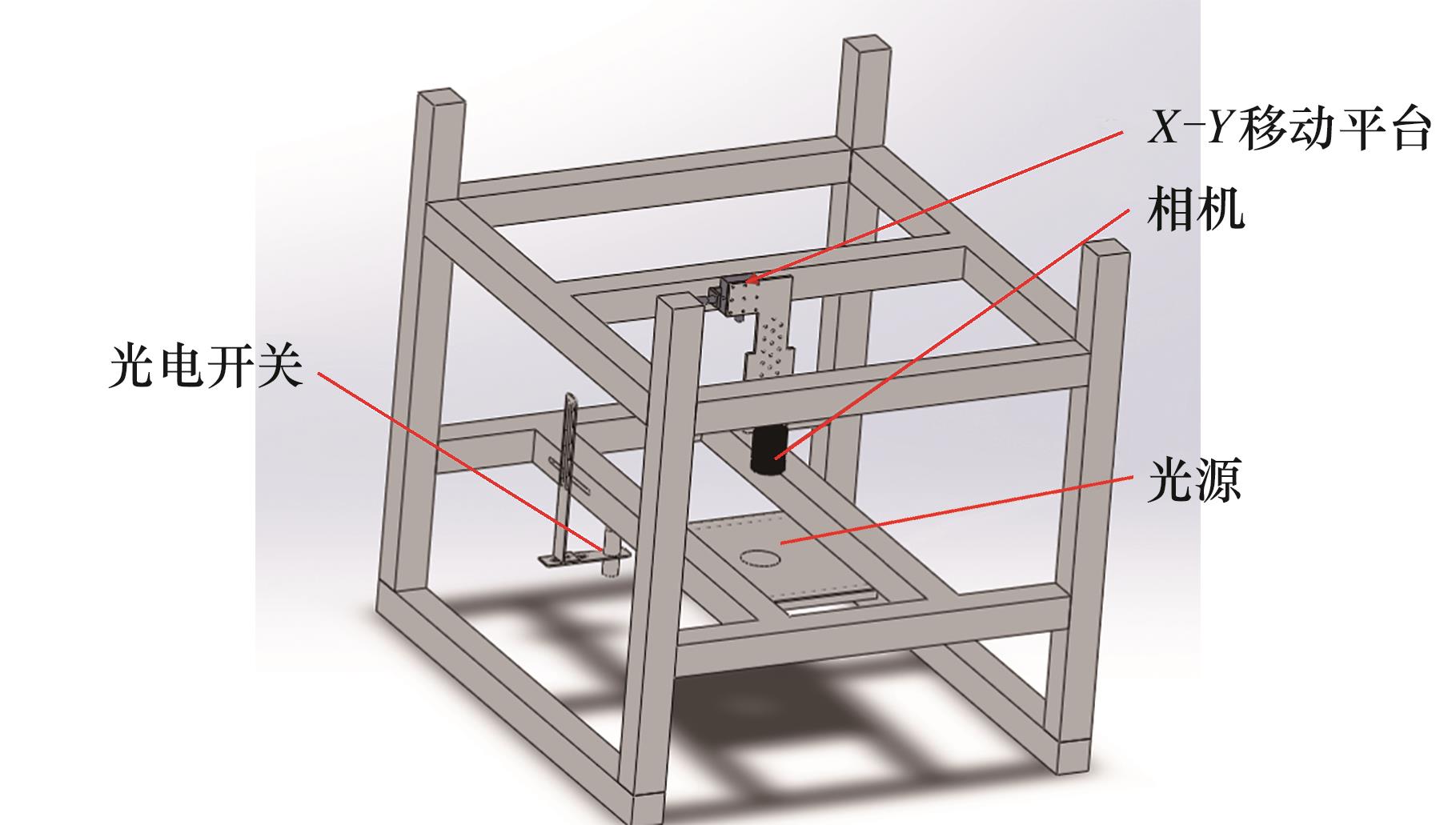
Fig.1 Visual identity system
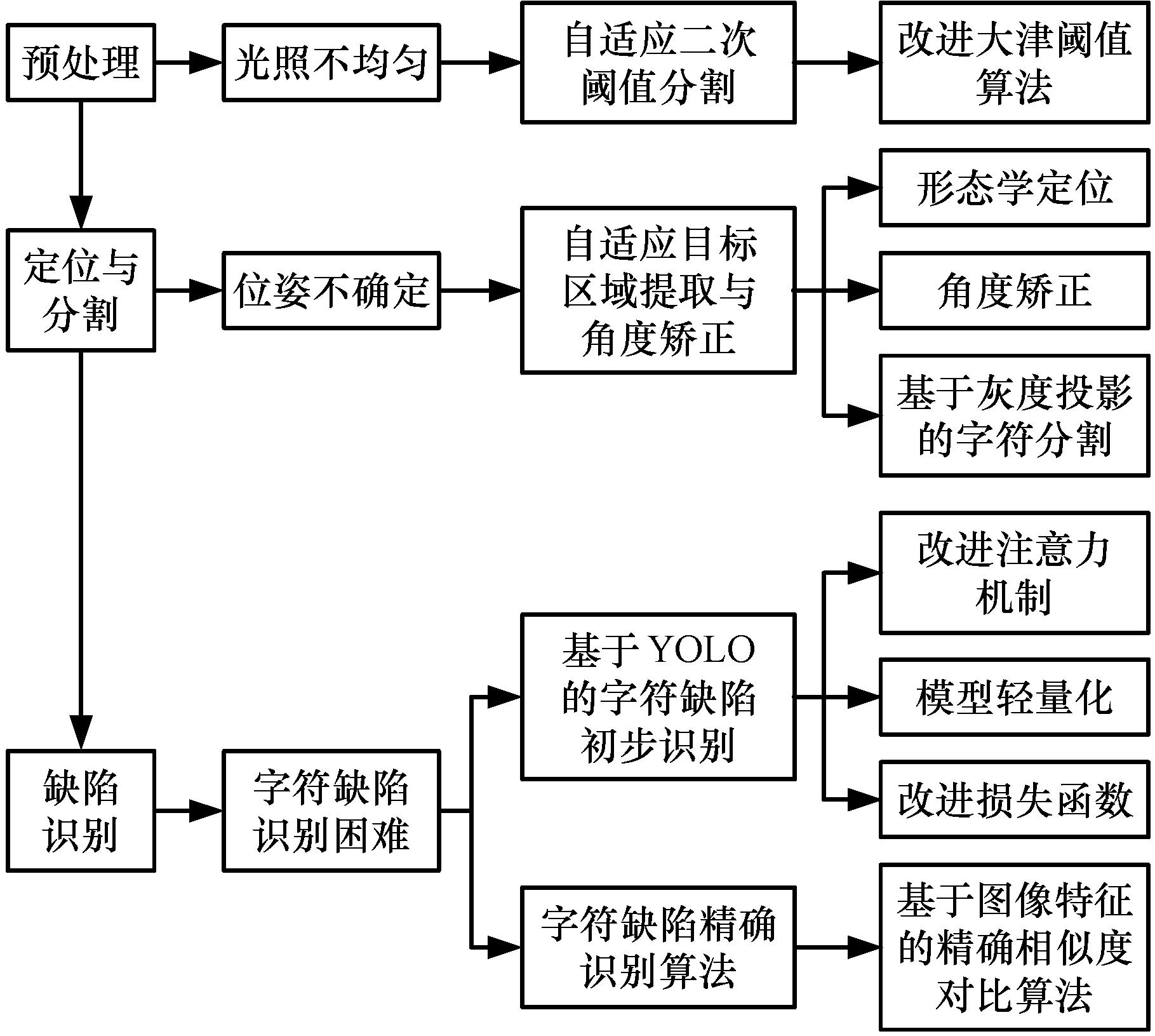
Fig.2 Algorithm flowchart
Fig.3 The physical platform of the system
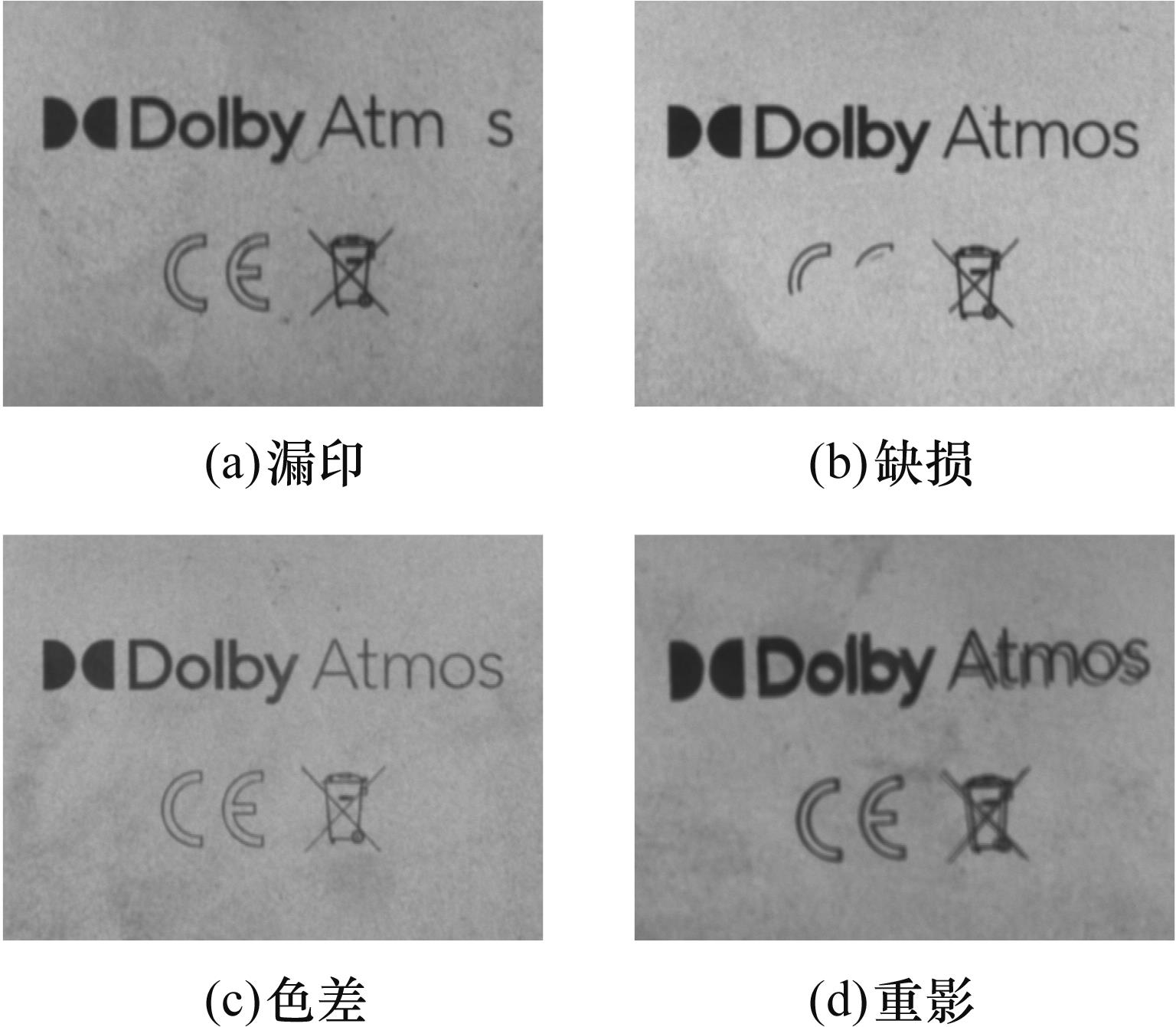
Fig.4 Partial defect diagram
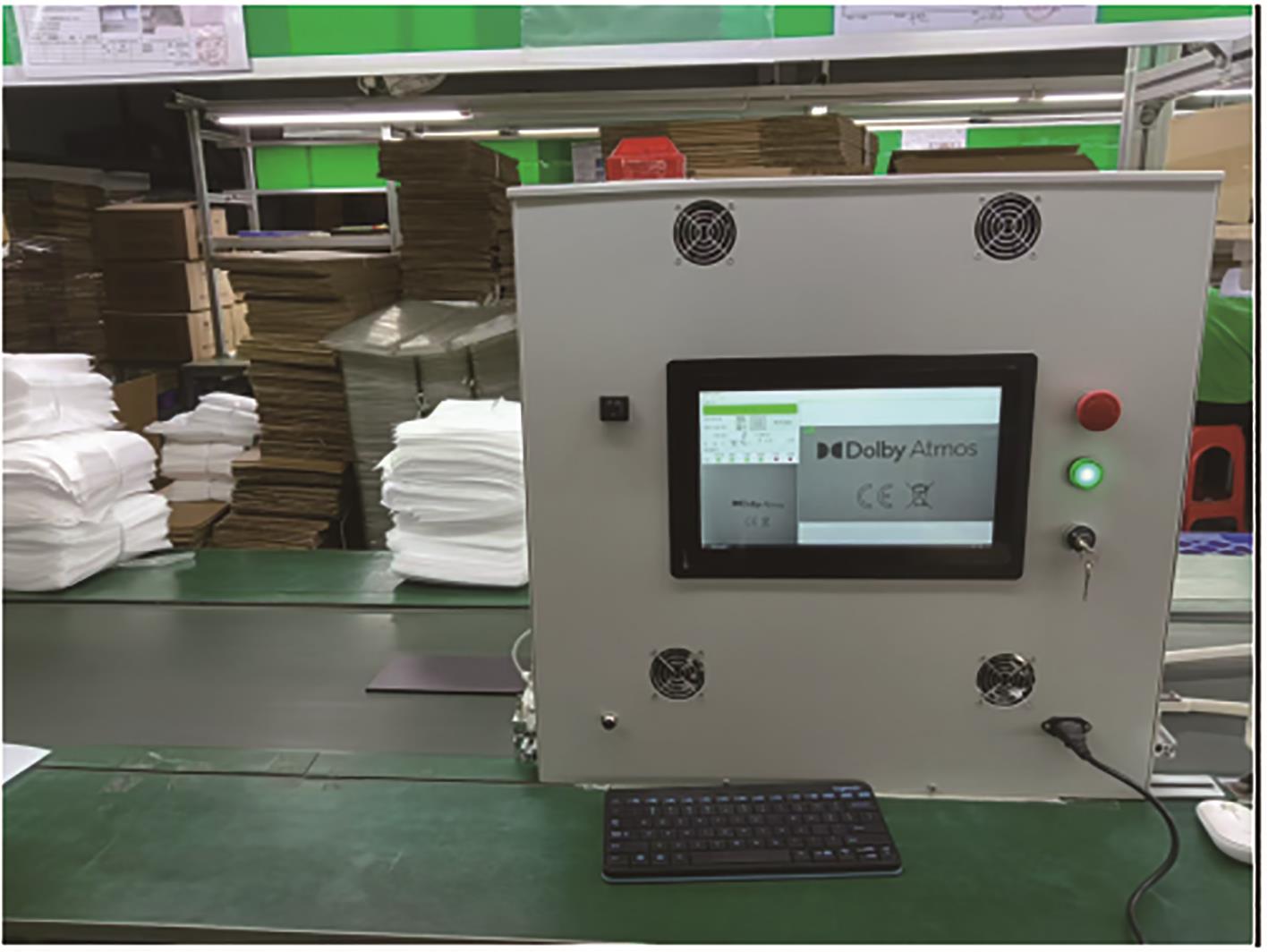
Fig.5 The physical platform of the system
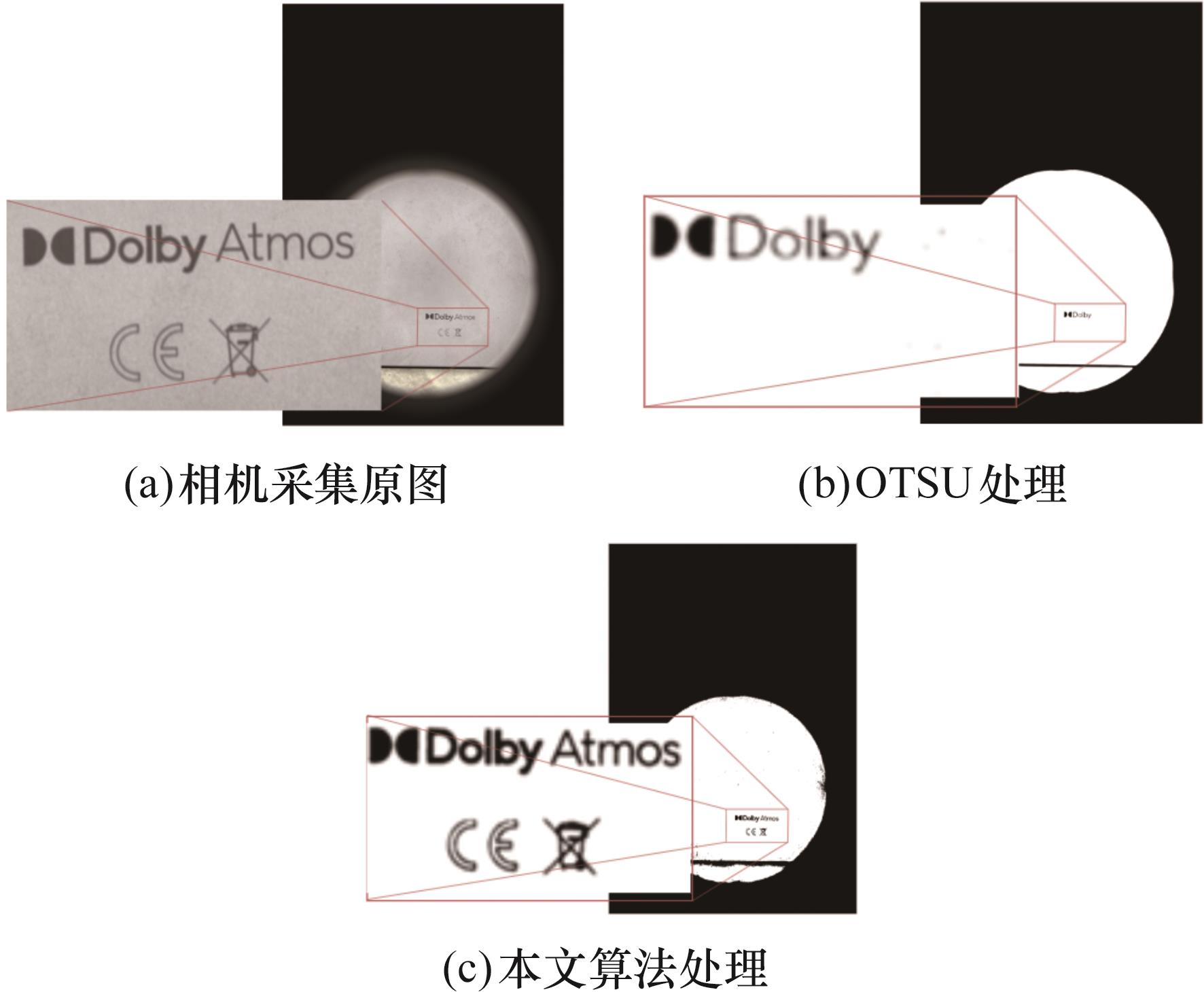
Fig.6 The binarization of the improved algorithms
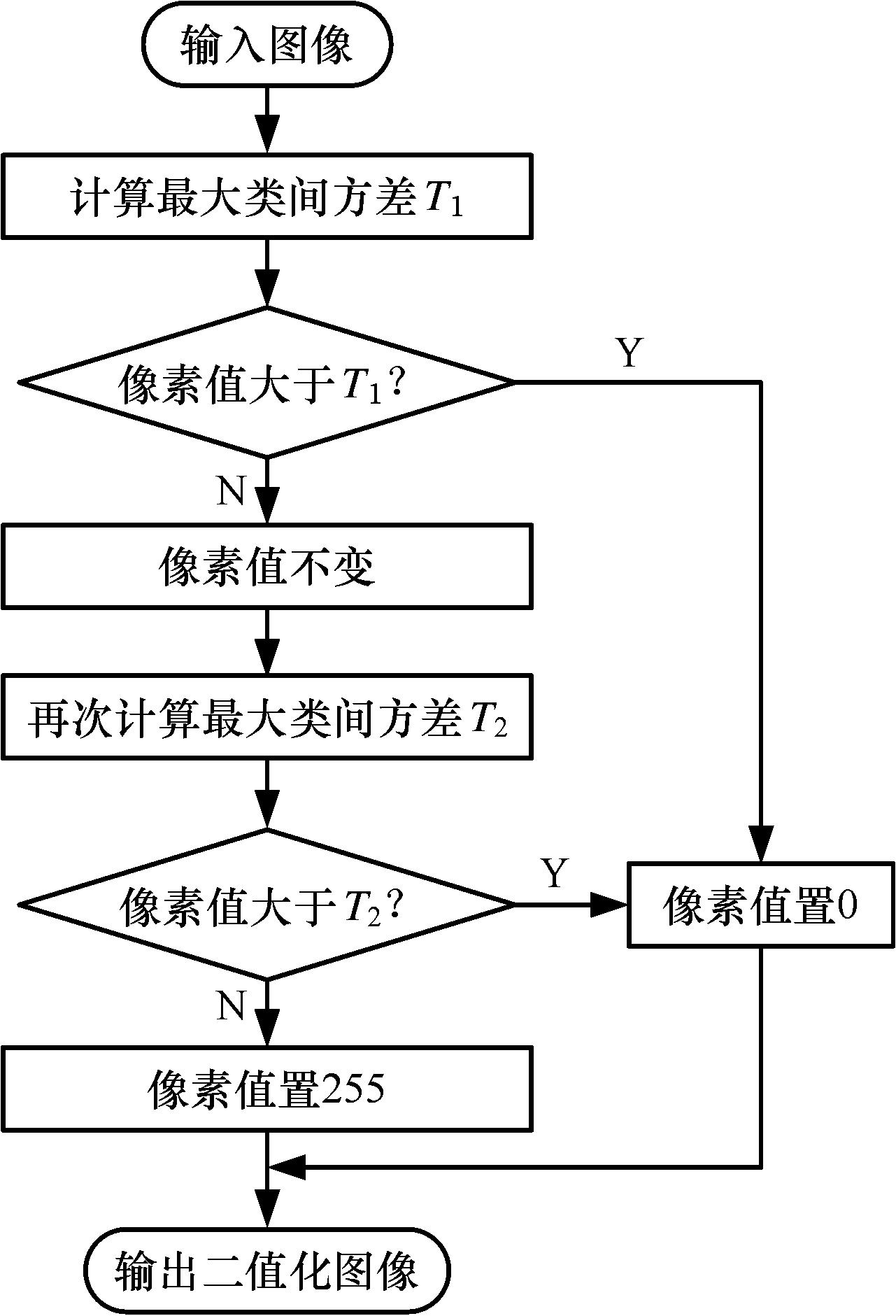
Fig.7 Binary flowchart
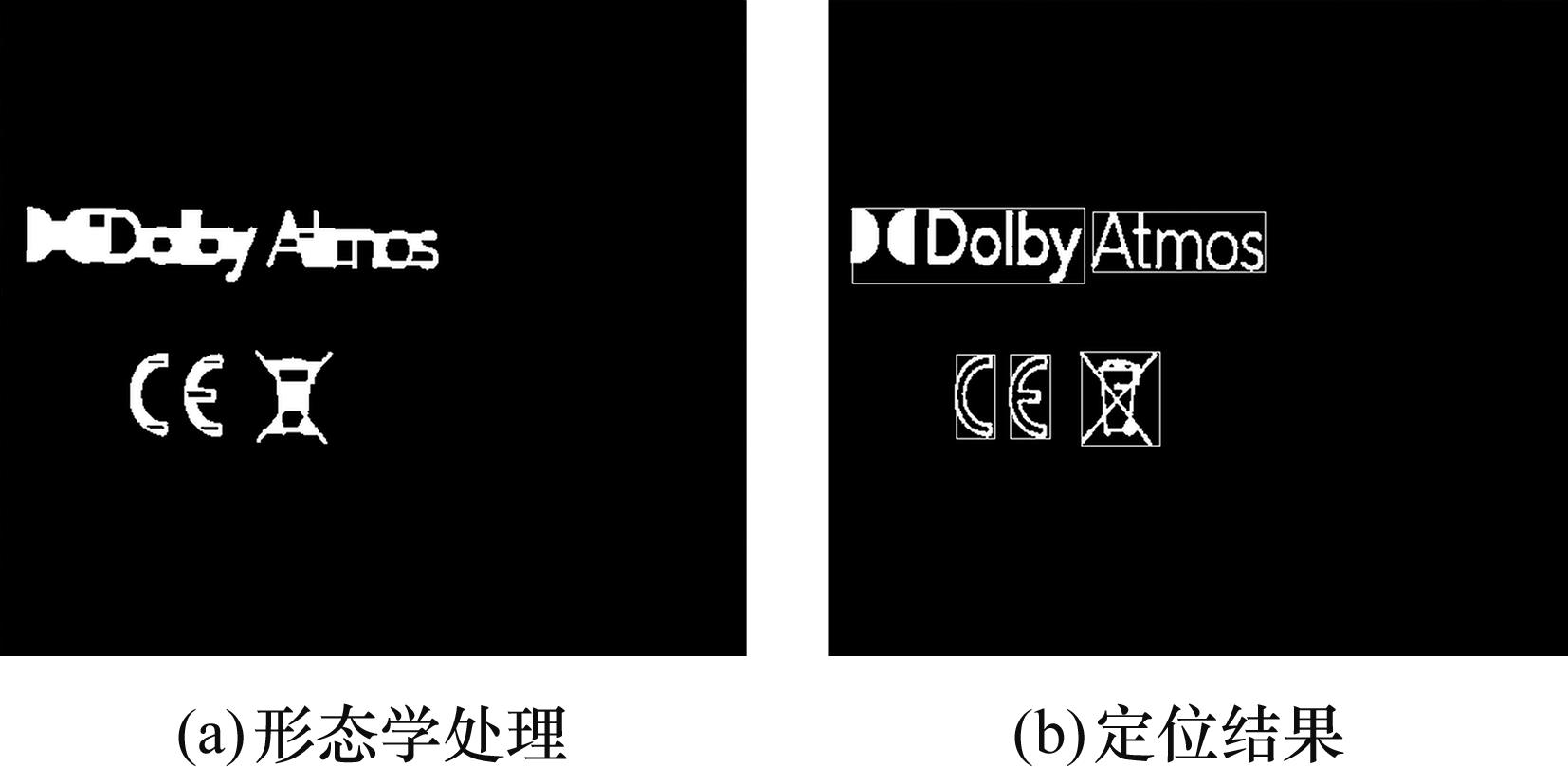
Fig.8 Target positioning
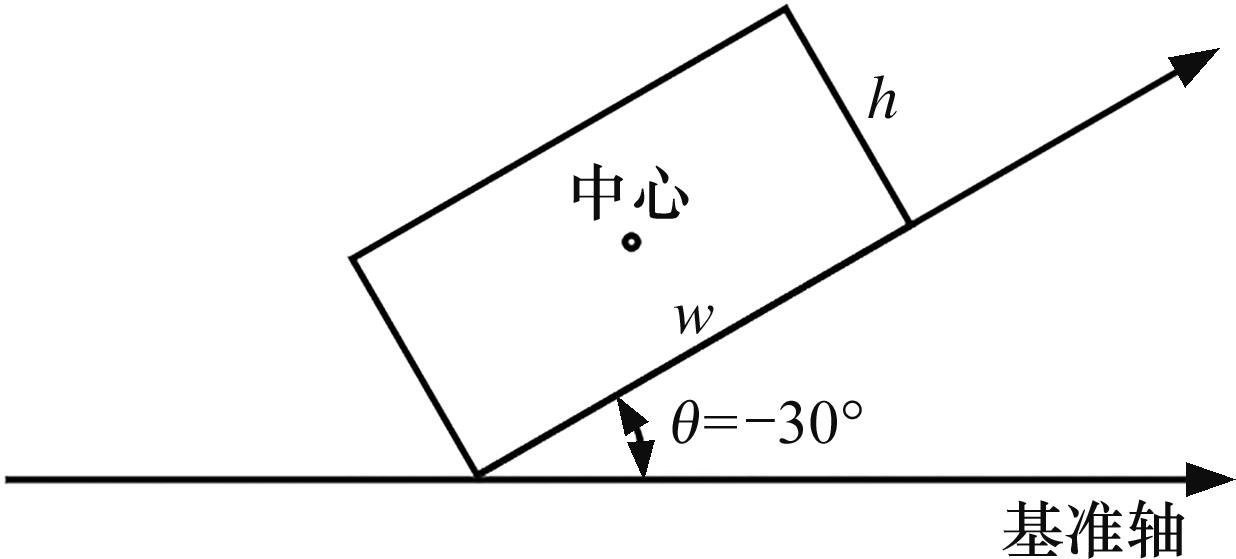
Fig.9 Angular diagram
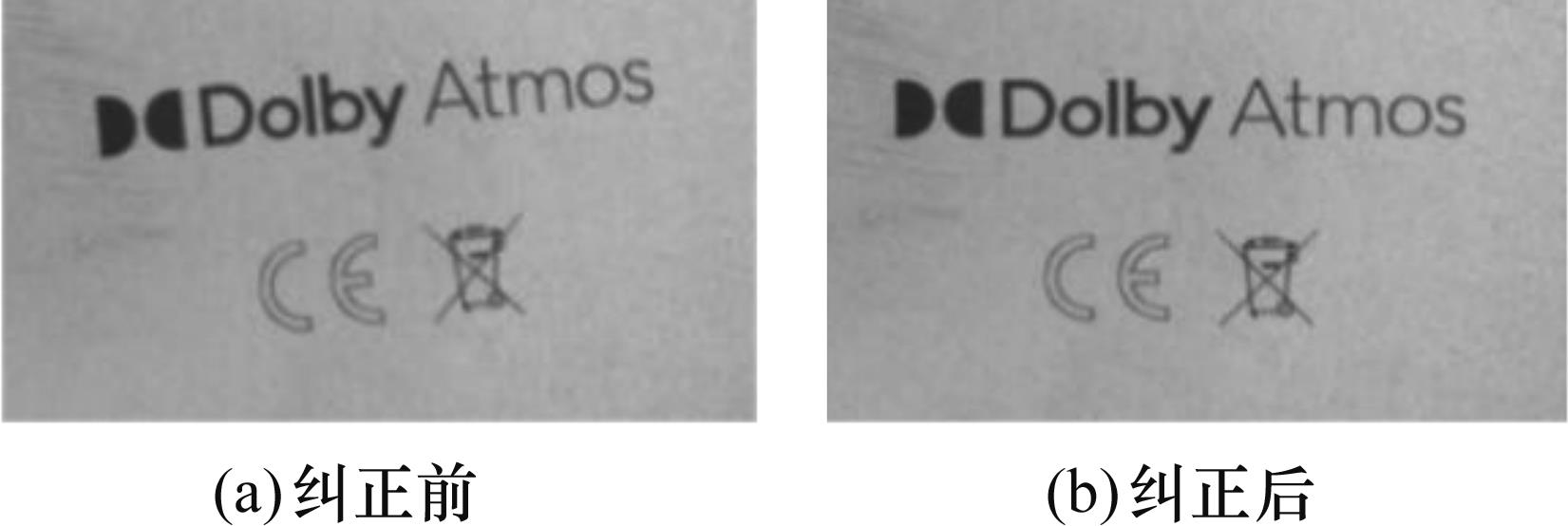
Fig.10 Angular correction diagram
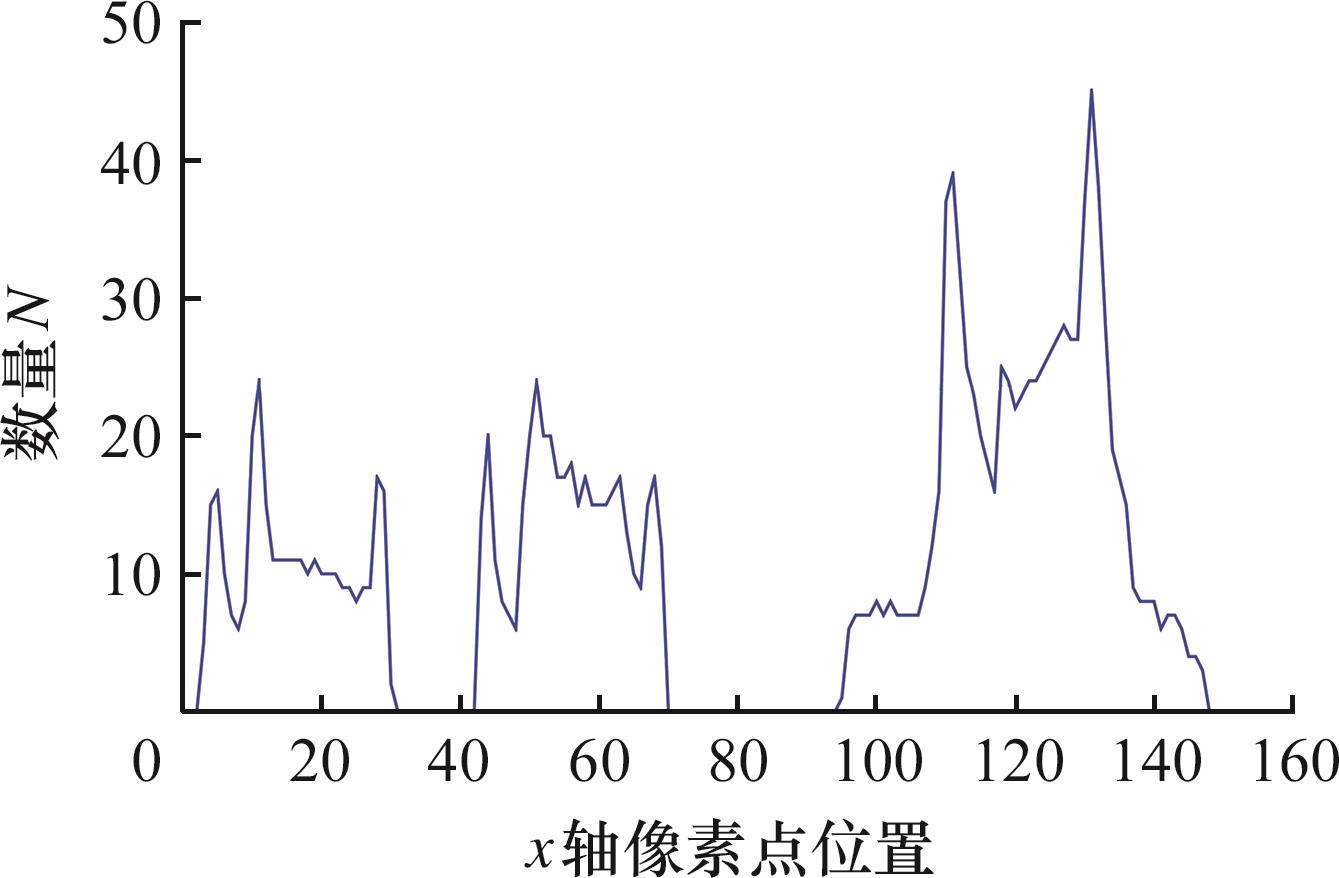
Fig.11 Y-direction pixel statistics

Fig.12 Result of segmentation
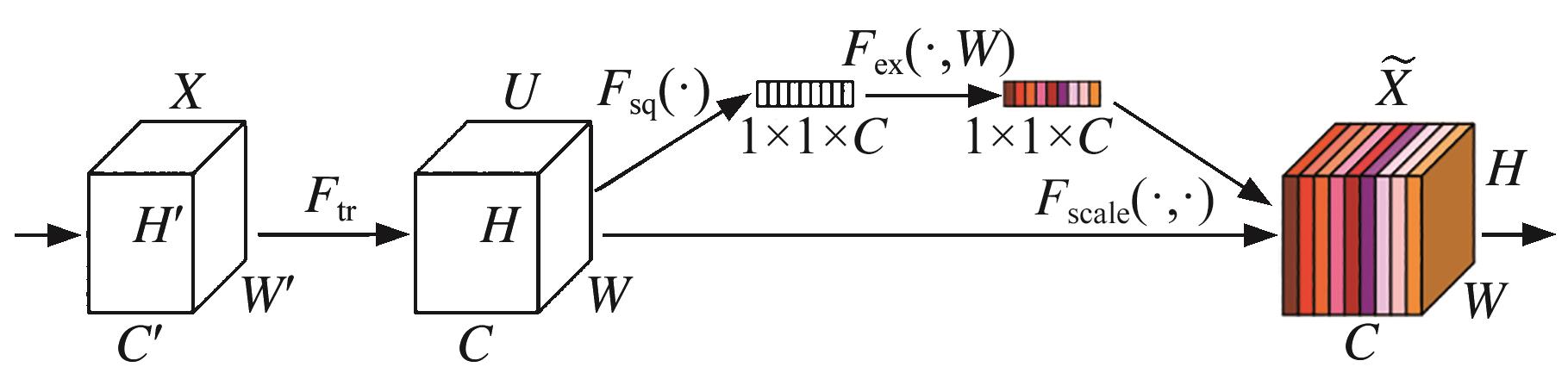
Fig.13 SE module structure
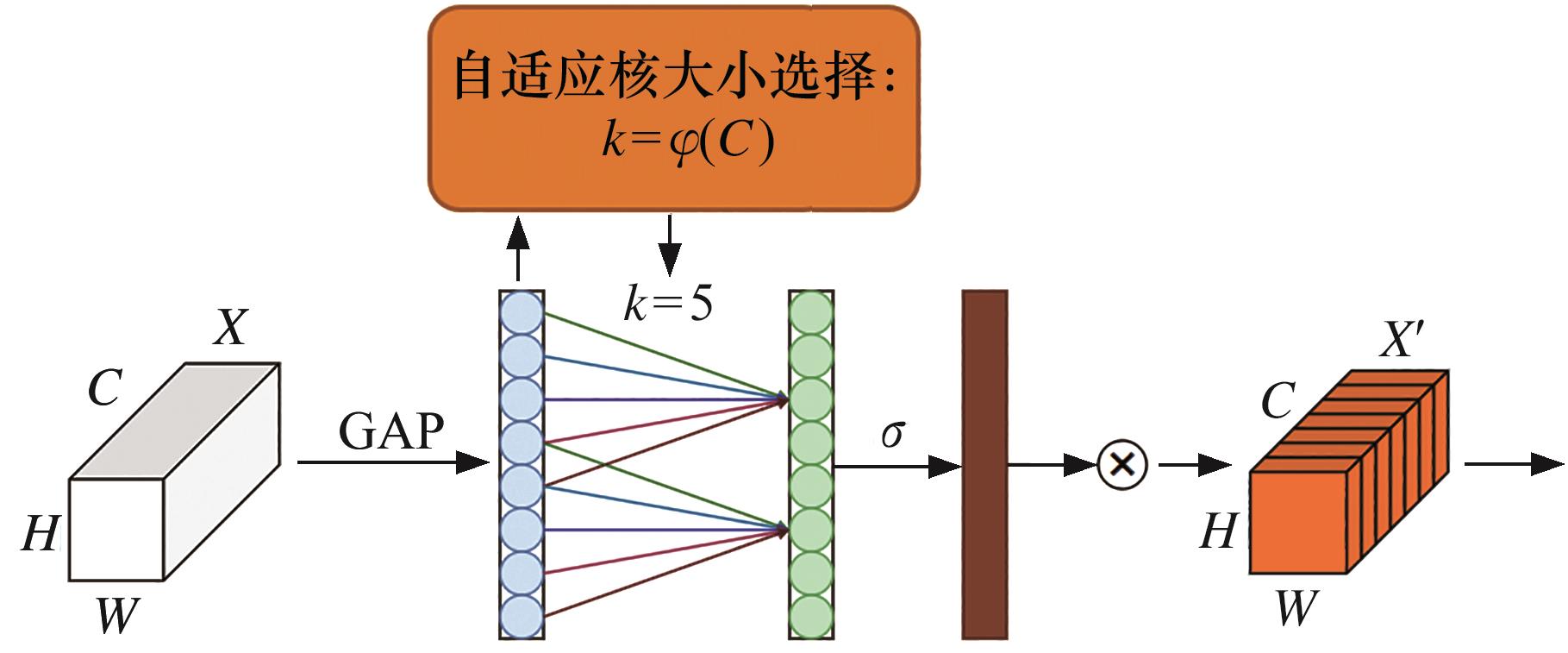
Fig.14 ECA module structure
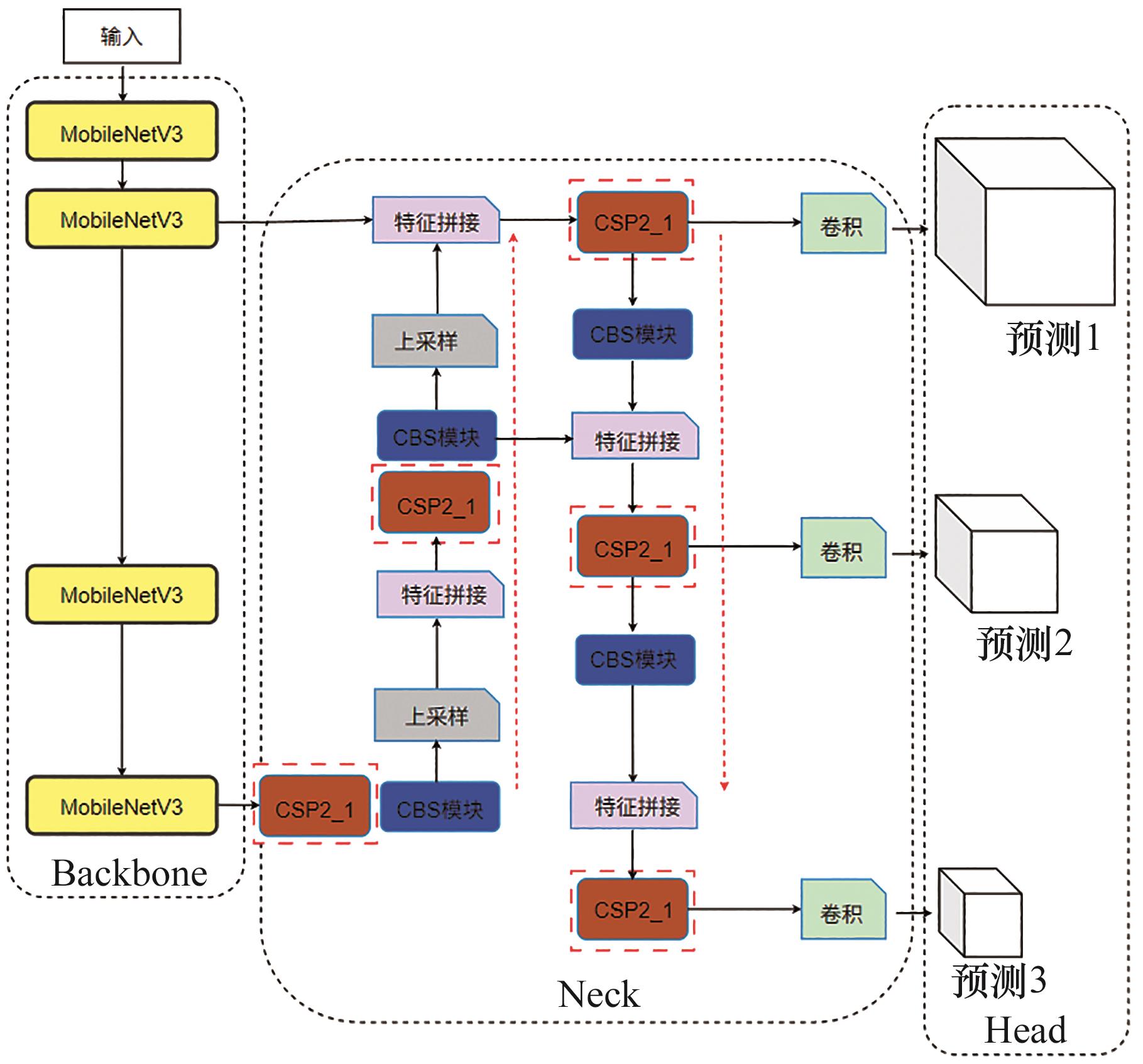
Fig.15 Structure of the YOLOv5s-MEF model
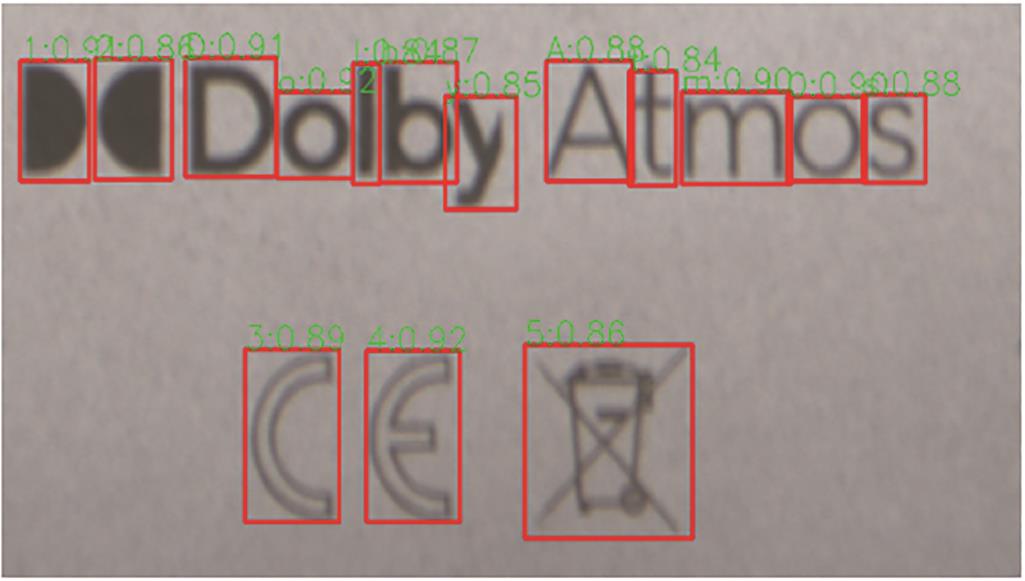
Fig.16 Model recognition
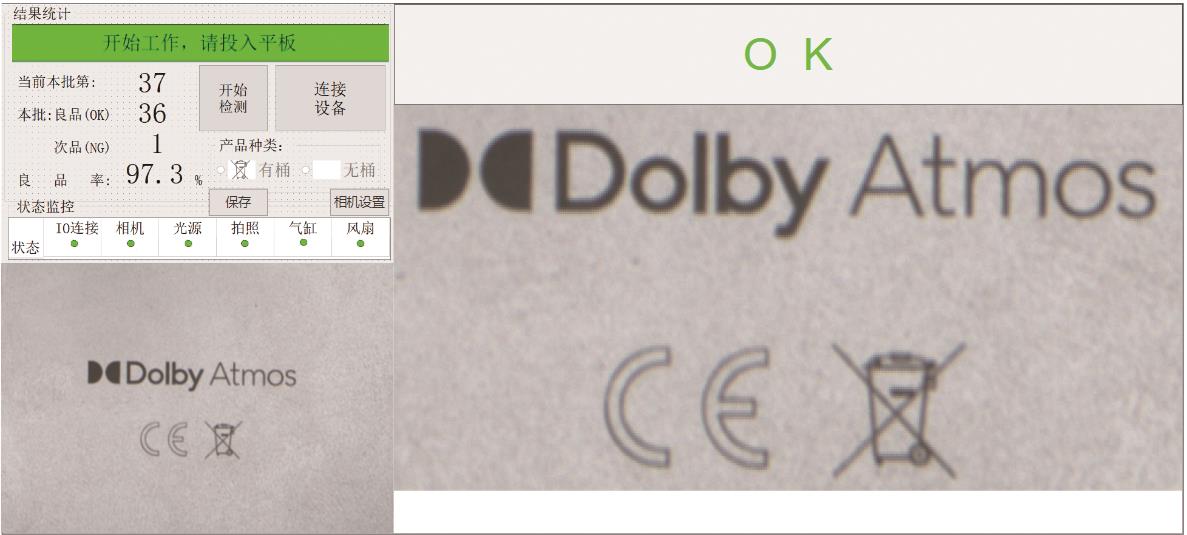
Fig17 Work interface
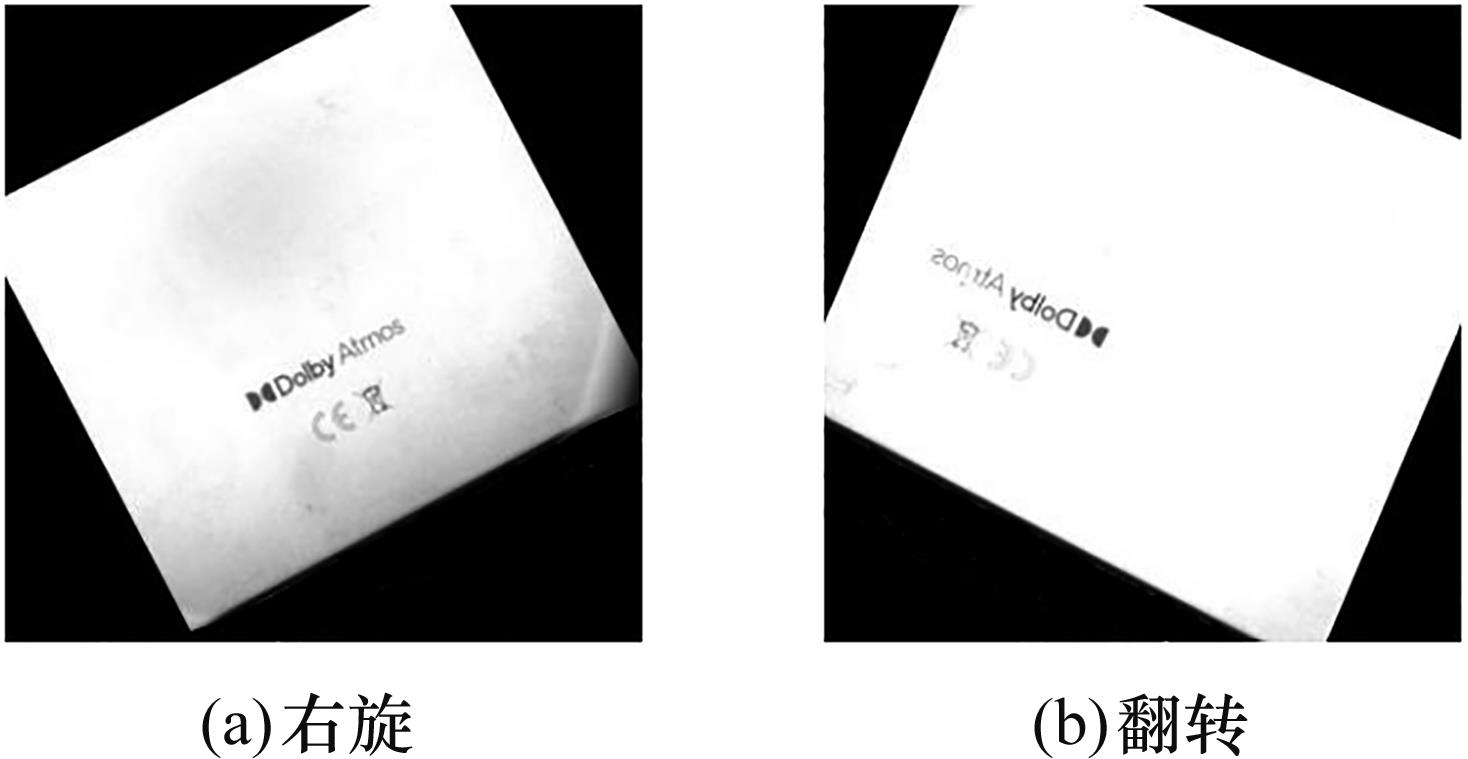
Fig.18 Enhanced images
| 组1 | 组2 | 组3 | 组4 | 组5 | 组6 | |
|---|---|---|---|---|---|---|
| 轻量化 | √ | √ | √ | √ | ||
| ECA | √ | √ | ||||
| 损失函数改进 | √ | √ | √ |
Tab.1 Experimental models under different improvement strategies
| 组1 | 组2 | 组3 | 组4 | 组5 | 组6 | |
|---|---|---|---|---|---|---|
| 轻量化 | √ | √ | √ | √ | ||
| ECA | √ | √ | ||||
| 损失函数改进 | √ | √ | √ |
| 实验组序 | 准确率/% | 召回率/% | FPS | F1/% |
|---|---|---|---|---|
| 1 | 97.7 | 89.2 | 54.64 | 93.25 |
| 2 | 96.8 | 88.3 | 65.79 | 92.35 |
| 3 | 98.2 | 90.1 | 66.23 | 93.97 |
| 4 | 97.8 | 90.0 | 61.12 | 93.73 |
| 5 | 98.3 | 90.3 | 51.62 | 93.98 |
| 6 | 99.1 | 92.2 | 62.11 | 95.52 |
Tab.2 Ablation experiment results
| 实验组序 | 准确率/% | 召回率/% | FPS | F1/% |
|---|---|---|---|---|
| 1 | 97.7 | 89.2 | 54.64 | 93.25 |
| 2 | 96.8 | 88.3 | 65.79 | 92.35 |
| 3 | 98.2 | 90.1 | 66.23 | 93.97 |
| 4 | 97.8 | 90.0 | 61.12 | 93.73 |
| 5 | 98.3 | 90.3 | 51.62 | 93.98 |
| 6 | 99.1 | 92.2 | 62.11 | 95.52 |
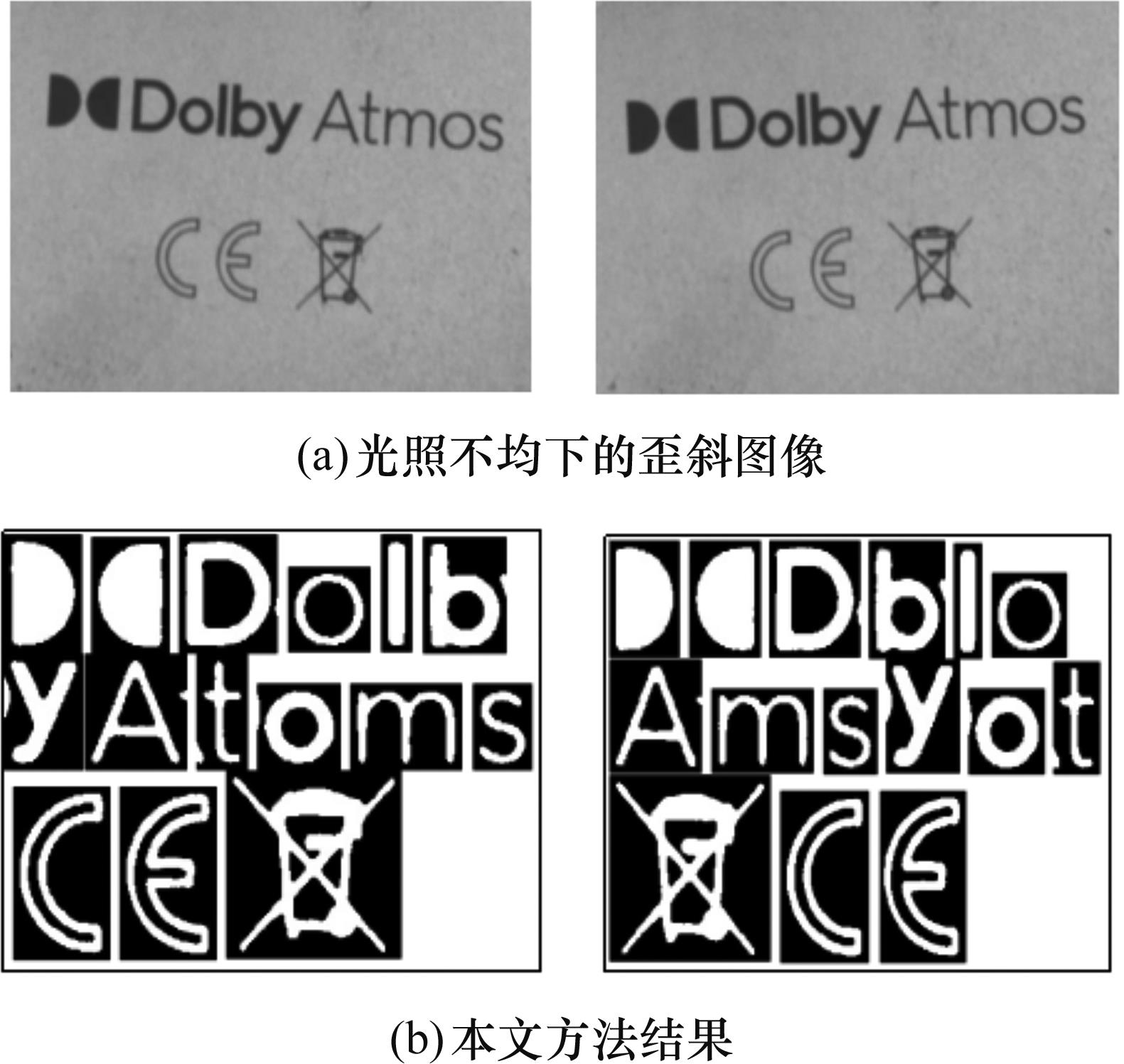
Fig.19 Graph of partial processing results
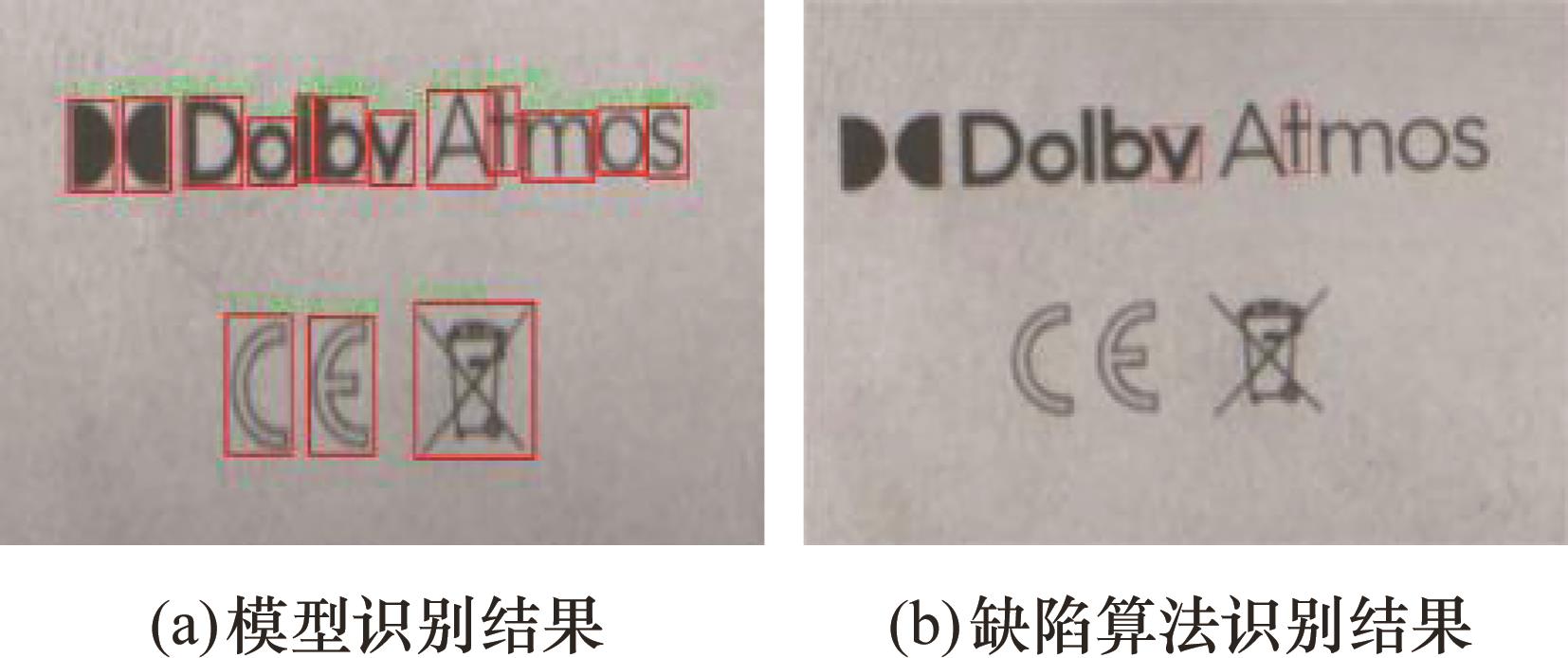
Fig.20 Defect identification result
| 方法 | 检测时间/s | 准确率/% |
|---|---|---|
| 改进YOLOv5s模型 | 0.021 | 73 |
| 本文算法 | 0.083 | 99 |
Tab.3 The result of algorithm comparisons
| 方法 | 检测时间/s | 准确率/% |
|---|---|---|
| 改进YOLOv5s模型 | 0.021 | 73 |
| 本文算法 | 0.083 | 99 |
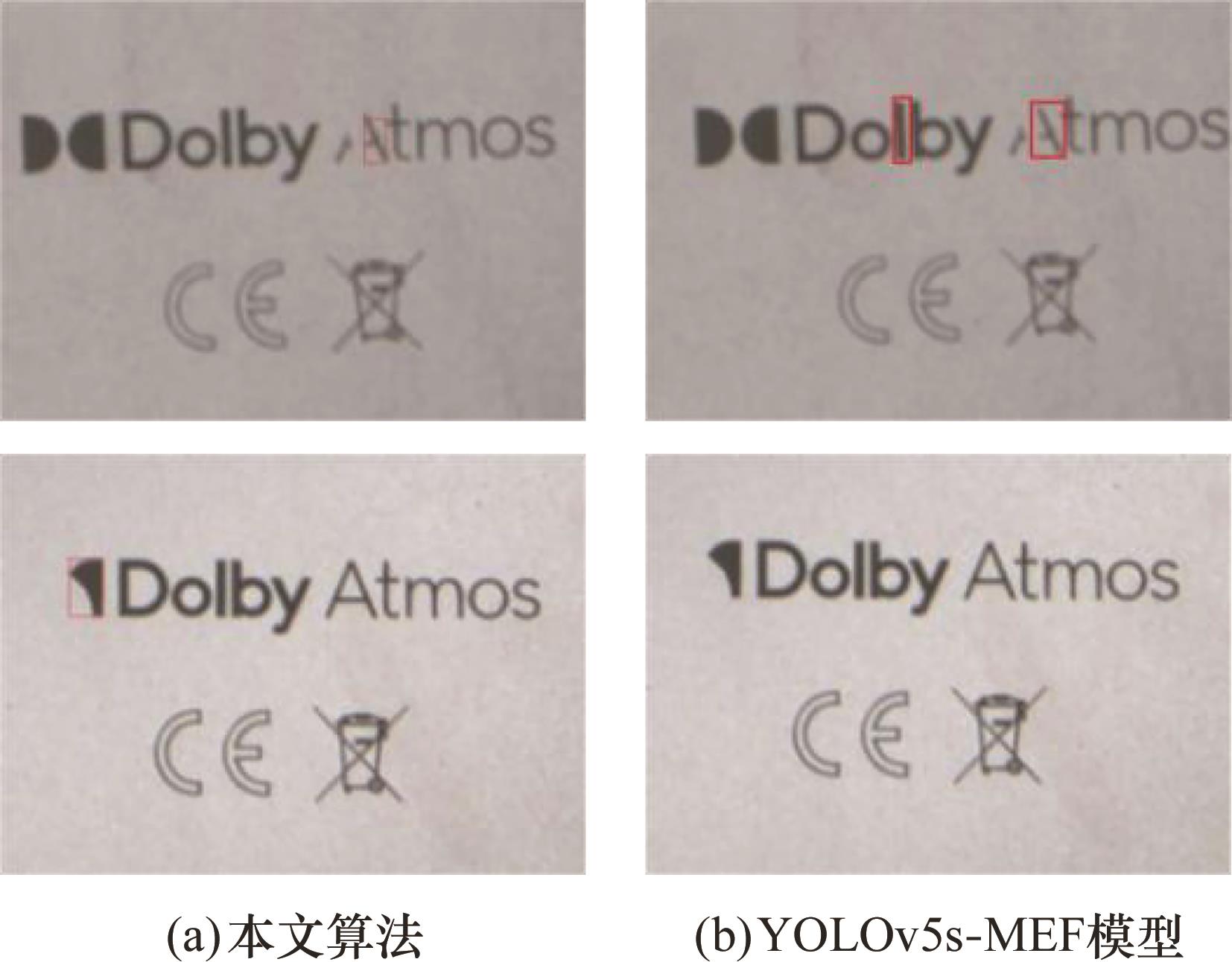
Fig.21 Comparison of recognition results of different methods
| 方法 | 检测时间/s | 准确率/% |
|---|---|---|
| 改进模板匹配法 | 0.286 | 97.7 |
| 改进SSD算法 | 0.052 | 95.5 |
| 本文算法 | 0.083 | 98.6 |
Tab.4 Performance comparison of three detection algorithms
| 方法 | 检测时间/s | 准确率/% |
|---|---|---|
| 改进模板匹配法 | 0.286 | 97.7 |
| 改进SSD算法 | 0.052 | 95.5 |
| 本文算法 | 0.083 | 98.6 |
| [1] | 张德海,祝志逢,李艳芹,等.基于机器视觉的二维图像质量缺陷检测研究进展[J].包装工程,2023,44(23):198-207. |
| ZHANG Dehai, ZHU Zhifeng, LI Yanqin,et al.Research Progress of Two-dimensional Image Quality Defect Detection Based on Machine Vision[J].Packaging Engineering,2023,44(23):198-207. | |
| [2] | 唐建华,张鑫,刘金海,等. 基于复合骨干网络的漏磁小缺陷信号检测方法[J].电子测量与仪器学报,2024,38 (10): 69-77. |
| TANG Jianhua, ZHANG Xin, LIU Jinhai,et al.Signal Dtection Method for Magnetic Flux Leakage Small Defects Based on Composite Backbone Network[J].Journal of Electronic Measurement and Instrumentation,2024,38 (10): 69-77. | |
| [3] | 胡宜笑.印刷品缺陷检测研究与应用[D]. 长沙:湖南大学,2022. |
| HU Yixiao. Research and Application of Printing Detection[D]. Changsha:Hunan University,2022. | |
| [4] | 梅文宝.基于形状模板匹配的手机商标检测技术研究[D].广州:广东工业大学,2017. |
| MEI Wenbao.The Research of Mobile Phone Logo Detection Technology Based on Shape Model Matching[D].Guangzhou:Guangdong University of Technology, 2017. | |
| [5] | BROWN L.A Survey of Image Registration Techniques[J].ACM Computing Surveys,1992,24(4):325-376 |
| [6] | ZITOVA B, FLUSSER J. Image Registration Methods: Asurvey[J]. Image and Vision Computing,2003,21(11): 977-1000. |
| [7] | LOVE D. Distinctive Image features from Scale Invariant Key-points[J]. International Journal of Vision Computer,2004,60(2):91-110. |
| [8] | 吴先锋.基于机器视觉的智能电表铭牌印刷缺陷检测[D].长沙:湖南大学,2022. |
| WU Xianfeng.Detection of Defects in Nameplate Printing of Smart Meter Based on Machine Vision[D]. Changsha:Hunan University,2022. | |
| [9] | 李大华,徐傲,王笋,等.基于改进YOLOv5的印刷电路板缺陷检测[J].电子测量技术,2023,46(23):112-119. |
| LI Dahua, XU Ao, WANG Sun,et al.Printed Circuit Board Defect Detection Based on Improved YOLOv5[J]. Electronic Measurement Technology,2023,46(23): 112-119. | |
| [10] | 童小钟,魏俊宇,苏绍璟,等.融合注意力和多尺度特征的典型水面小目标检测[J].仪器仪表学报,2023,44(1):212-222. |
| TONG Xiaozhong, WEI Junyu, Su Shaojing,et al.Typical Small Target Detection on Water Surfaces Fusing Attention and Multi-scale Features[J]. Chinese Journal of Scientific Instrument,2023,44(1):212-222. | |
| [11] | 楼豪杰. 基于少样本学习的印刷品微小缺陷检测方法研究[D].西安:西安理工大学,2022. |
| LOU Haojie.Reserch on Small Defect Defection Methon of Printing Matter Based on Few-shot Learning[D]. Xi'an:Xi'an University of Technology,2022. | |
| [12] | OTSU N. A Threshold Selection Method from Gray-level Histograms[J].IEEE Transactions on Systems Man &Cybernetics,2007,9(1):62-66. |
| [13] | 冯毅雄,李康杰,高一聪,等 .基于特征与形貌重构的轴件表面缺陷检测方法[J].浙江大学学报(工学版),2020,54(3): 427-434. |
| FENG Yixiong, LI Kangjie, GAO Yicong,et al. Shaft Surface Defect Detection Method Based on Feature and Morphology Reconstruction[J]. Journal of Zhejiang University(Engineering Science), 2020, 54(3): 427-434. | |
| [14] | 胡蝶,侯俊,张全年,等.基于卷积神经网络的生产日期识别[J].电子测量技术,2020, 43(1):152-156. |
| HU Die, HOU Jun, ZHANG Quannian,et al. Production Date Identification Based on Convolutional Neural Network Electronic Measurement Technology,2020,43(1):152-156. | |
| [15] | HOWARD A, SANDLER M, CHEN B, et al. Searching for MobileNetV3 [C]∥IEEE International Conference on Computer Vision (ICCV).Seoul, 2020:00140. |
| [16] | HU J, SHEN L, SUN G,et al.Squeeze-and-Excitation Networks[C]∥IEEE Conference on Computer Vision and Pat-tern Recognition. Salt Lake City, 2018:00745. |
| [17] | WANG Q L, WU B G, ZHU P F, et al.ECANet: |
| Efficient Channel Attention for Deep Convolutional | |
| Neural Networks[C]∥IEEE Conference on Computer Vision and Pattern Recognition (CVPR).Piscataway,2020: 11531-11539. | |
| [18] | 李博宇,杨文翰,杨乐,等.基于模板匹配的肥料外包装印刷缺陷检测研究[J].印刷与数字媒体技术研究,2023(2):39-49. |
| LI Boyu, YANG Wenhan, YANG Le,et al.Research on Defect Detection of Fertilizer Packaging Based on Template Matching[J].Printing and Digital Media StudyTechnology,2023(2):39-49. | |
| [19] | 尹玉梅. 基于感知哈希的图像相似检索算法研究[D].昆明:昆明理工大学,2021. |
| YIN Yumei.Research on Image Similarity Retrieval | |
| Algorithm Based on Perceptual Hash[D]. Kunming: | |
| Kunming University of Technology, 2021. | |
| [20] | 顾桂梅,王小亮.深度学习的接触网小目标缺陷识别研究[J].电子测量与仪器学报,2024,38(4):151-160. |
| GU Jiamei, WANG Xiaoliang.Identification of the Catenary Small Target Defects in Deep Learning[J].Journal of Electronic Measurement and Instrumentation, 2024, 38(4):151-160. |
| [1] | Jun WANG, Guibing GAO. A Method for Detecting Surface Defects on Wind Turbine Blades Based on Improved YOLOv5s [J]. China Mechanical Engineering, 2025, 36(09): 2108-2116. |
| [2] | LUO Liang1, 2, LANG Xiao1, ZU Guoqing2, ZHANG Nong1, YANG Lin3, SHEN Xiongwei4. A Cylinder Liner Defect Detection Method Based on Improved YOLOv8n [J]. China Mechanical Engineering, 2025, 36(05): 1054-1064. |
| [3] | ZHU Chuanjun1, LIANG Zeqi1, FU Qiang1, ZHANG Chaoyong2. Label Assignment Algorithm for Metal Defect Samples Based on Distance-awareness [J]. China Mechanical Engineering, 2024, 35(09): 1634-1641. |
| [4] | XU Peng, LIU Bailin, CHEN Yaxiong. Rail Crack Detection Method Based on Differential Flexible Eddy Current Probe [J]. China Mechanical Engineering, 2023, 34(20): 2419-2427. |
| [5] | DU Wenjie, ZHENG Huifeng, ZHANG Kaisheng, TANG Jiaxuan. Research on Far-focused Pixel-based Imaging Method of Defects inside Multilayer Media [J]. China Mechanical Engineering, 2023, 34(09): 1045-1051. |
| [6] | CAI Zhuoyue, TU Jun, ZHANG Xu, DENG Zhiyang, WU Qiao, SONG Xiaochun, . Design of Oblique Incident Line-focusing SV Wave Electromagnetic Acoustic Transducer for Thick-walled Aluminum Tubes [J]. China Mechanical Engineering, 2022, 33(07): 804-810. |
| [7] | ZHOU Youhang;MA Zhuxi;SHI Xuanwei;KONG Tuo. Defect Detection Method of Linear Guide Surfaces Based on HSI Color Space [J]. China Mechanical Engineering, 2019, 30(18): 2179-2184. |
| [8] | LI Yunfeng, LI Shengyang, . Defect Detection for PCBs Based on Gradient Direction Information Entropy [J]. China Mechanical Engineering, 2017, 28(06): 695-701. |
| [9] | Zhang Tengda, Lu Rongsheng, Dang Xueming. Automatic Neighbor r Selection for One-dimensional DFT Method in the Surface Defect Inspection of TFT-LCD [J]. China Mechanical Engineering, 2016, 27(21): 2895-2901. |
| [10] | Wang Shen;Huang Songling;Zhao Wei. Study on Implementation of Boundary Element Method Simulation for Lamb Wave Interaction with Defects in Elastic Plate [J]. J4, 2009, 20(08): 0-886. |
| Viewed | ||||||
|
Full text |
|
|||||
|
Abstract |
|
|||||
