


ISSN 1004-132X
CN 42-1294/TH
CN 42-1294/TH
China Mechanical Engineering ›› 2026, Vol. 37 ›› Issue (4): 1007-1015.DOI: 10.3969/j.issn.1004-132X.2026.04.025
FENG Yukang1( ), ZHU Shuo1, JIANG Zhigang2(), YAN Wei3, ZHANG Hua2
Received:2025-12-16
Online:2026-04-25
Published:2026-05-11
Contact:
JIANG Zhigang
冯雨康1(), 朱硕1, 江志刚2(), 鄢威3, 张华2
通讯作者:
江志刚
作者简介:冯雨康,男,2000年生,硕士研究生。研究方向为绿色制造、再制造。E-mail:1600481758@qq.com基金资助:CLC Number:
FENG Yukang, ZHU Shuo, JIANG Zhigang, YAN Wei, ZHANG Hua. Reliability Dynamic Prediction Method for Remanufactured Products Based on Data-model Integration and Transfer[J]. China Mechanical Engineering, 2026, 37(4): 1007-1015.
冯雨康, 朱硕, 江志刚, 鄢威, 张华. 数据与模型融合迁移的再制造产品可靠性动态预测方法[J]. 中国机械工程, 2026, 37(4): 1007-1015.
Add to citation manager EndNote|Ris|BibTeX
URL: https://www.cmemo.org.cn/EN/10.3969/j.issn.1004-132X.2026.04.025
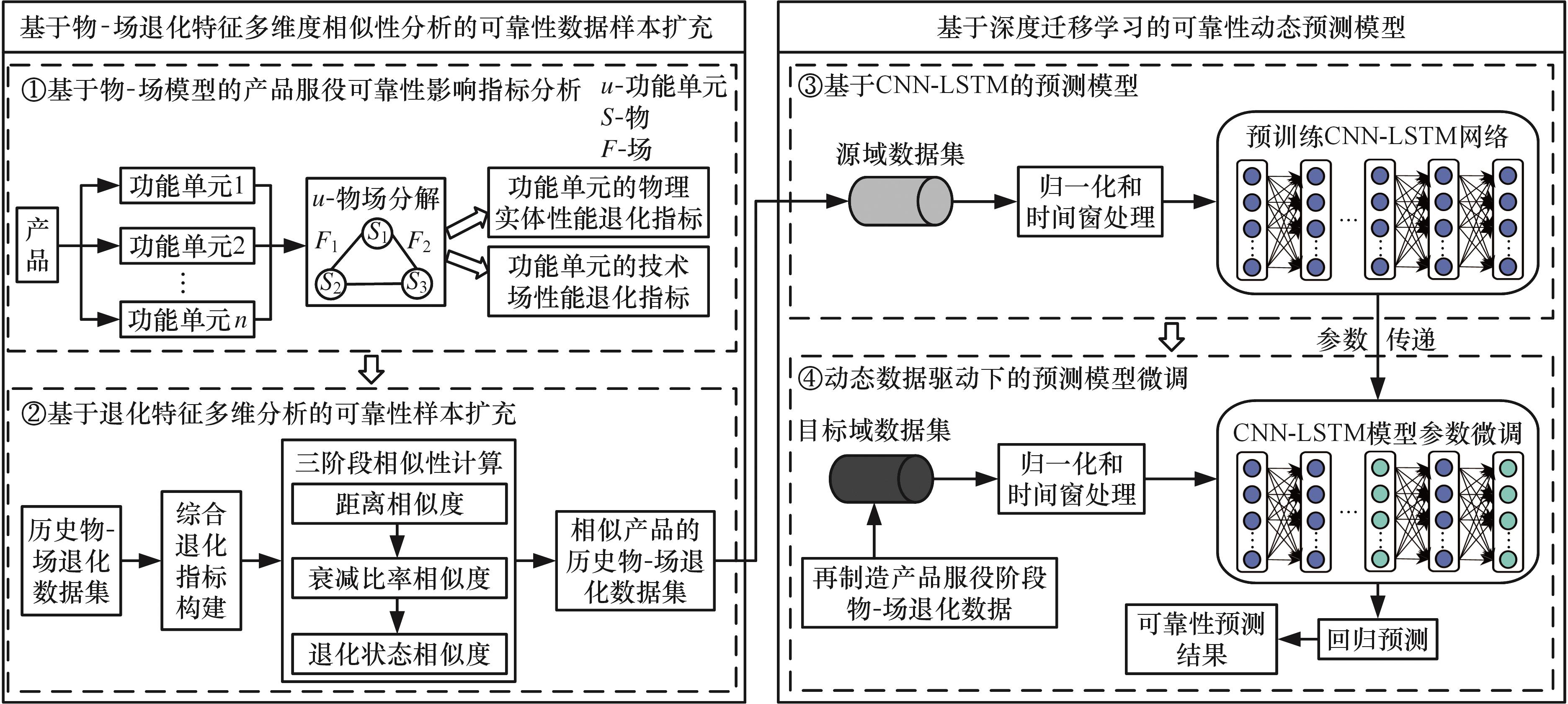
Fig.1 Process for predicting the reliability of remanufactured products during service period
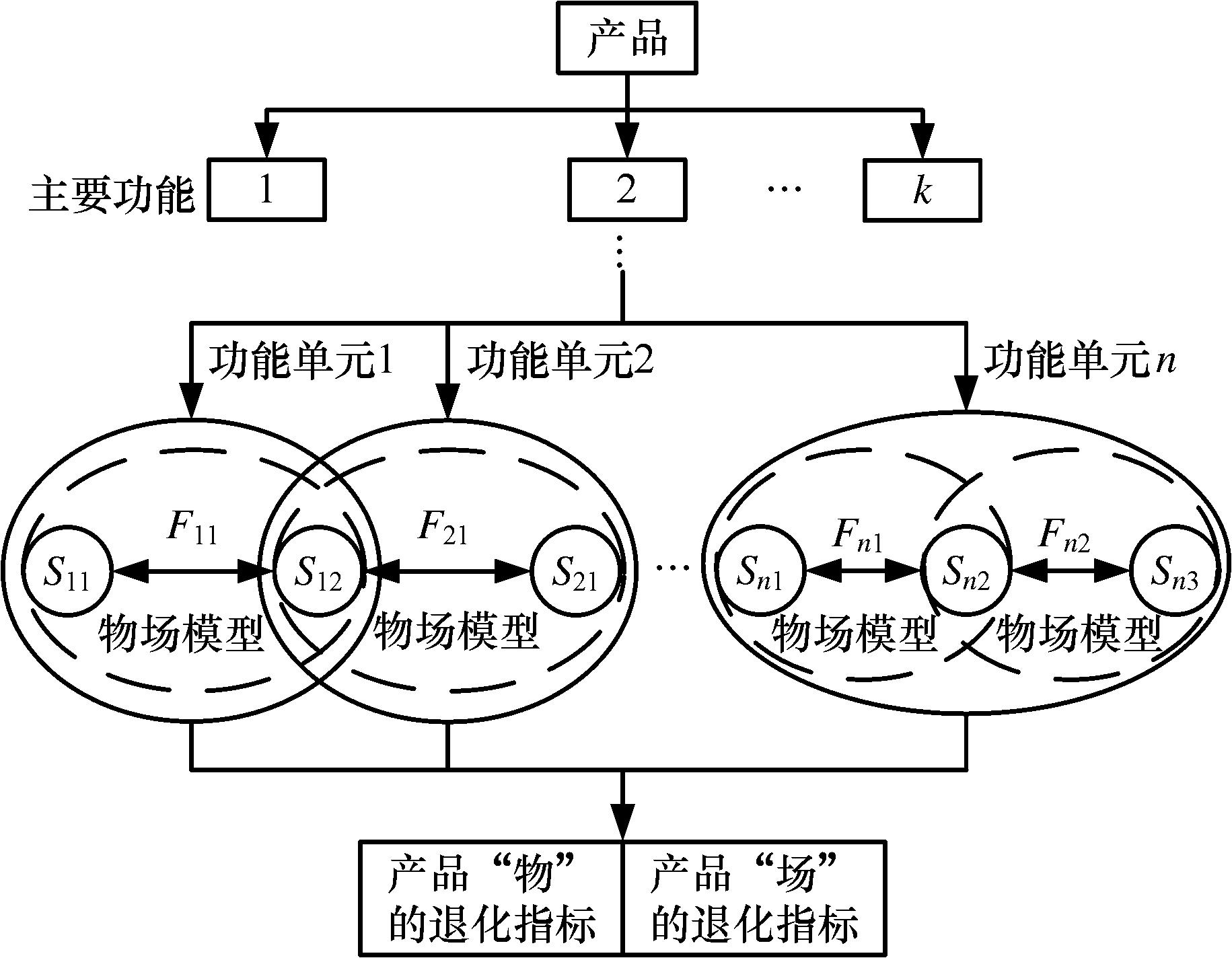
Fig.2 Analysis of product degradation indicators via functional decomposition and substance-field model
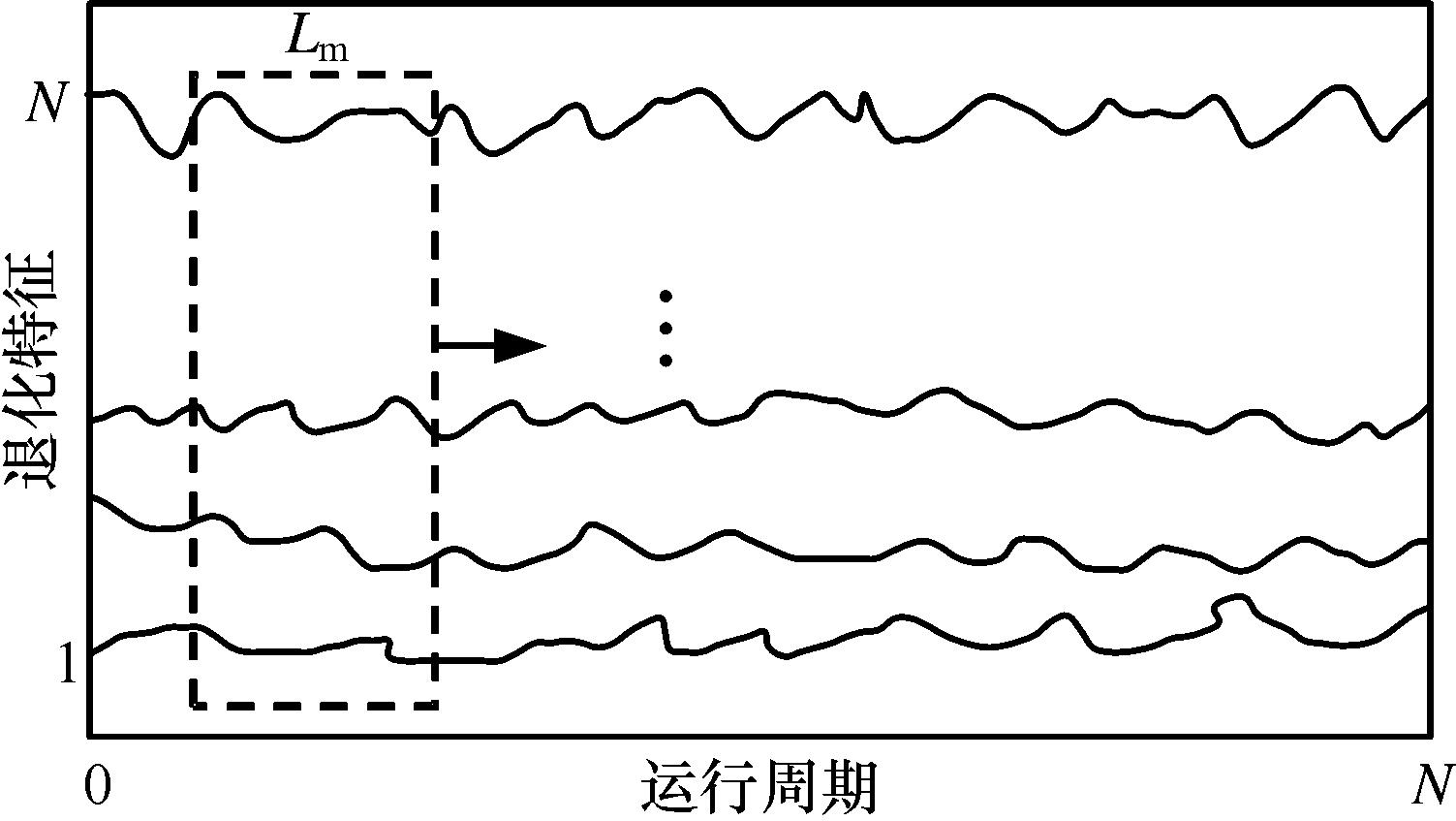
Fig.3 Illustration of time window processing
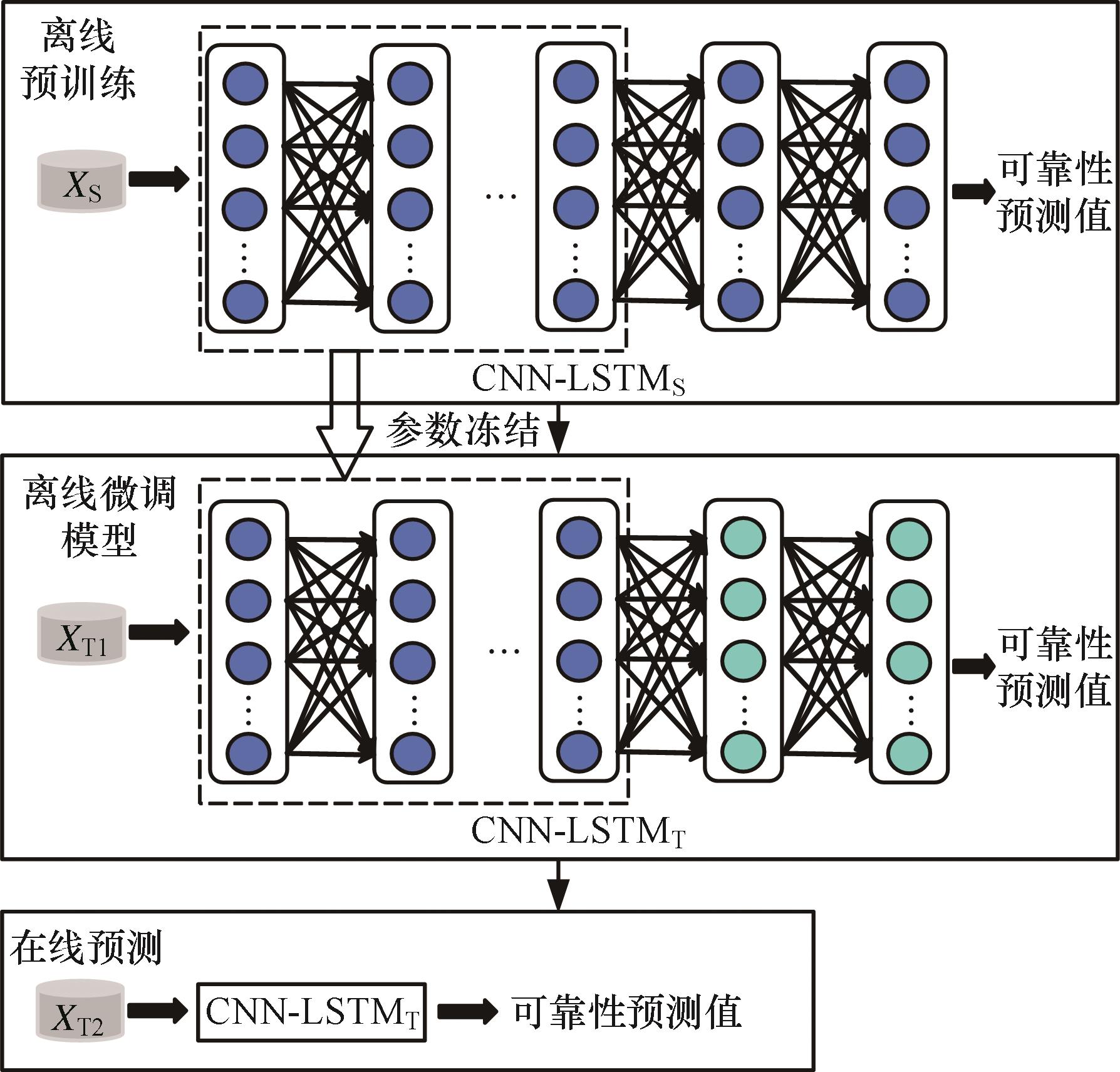
Fig.4 Framework of fine-tuning method for reliability prediction model
| 项目 | 退化指标名称 | 符号 |
|---|---|---|
| 物 | ||
| 场 | ||
Tab.1 Data types of substance-field degradation of the spindle system
| 项目 | 退化指标名称 | 符号 |
|---|---|---|
| 物 | ||
| 场 | ||
| 训练集 | 测试集1 | 测试集2 | |
|---|---|---|---|
| 样本数量 | 3 | 1 | 1 |
| 运行周期 | 从运行到失效 | 0~150 | 150~200 |
| 服役生命周期 | 1 | — | — |
Tab.2 Details of training set and test set data
| 训练集 | 测试集1 | 测试集2 | |
|---|---|---|---|
| 样本数量 | 3 | 1 | 1 |
| 运行周期 | 从运行到失效 | 0~150 | 150~200 |
| 服役生命周期 | 1 | — | — |
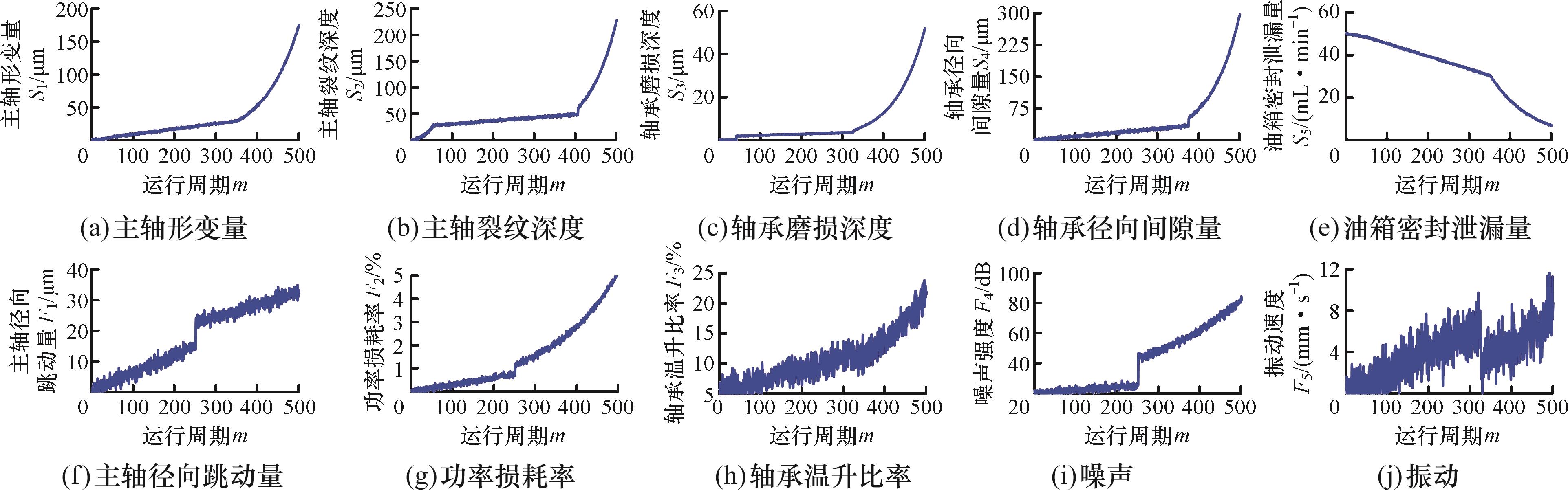
Fig.5 Visualization of substance-field degradation data
| 网络设置 | 设置结果 |
|---|---|
| 卷积层数 | 1 |
| 池化层数 | 1 |
| LSTM层数 | 2 |
| 全连接层数 | 2 |
| 卷积核数量 | 16 |
| 卷积核尺寸 | 2×2 |
| 池化窗口大小 | 1×1 |
| LSTM-1神经元个数 | 32 |
| LSTM-2神经元个数 | 16 |
| 全连接层-1神经元个数 | 8 |
| 全连接层-2神经元个数 | 4 |
| 时间窗大小 | 5 |
| 迭代次数 | 200 |
| 批量大小 | 8 |
| 学习率 | 0.01 |
Tab.3 Network structure and training parameter settings of CNN-LSTM
| 网络设置 | 设置结果 |
|---|---|
| 卷积层数 | 1 |
| 池化层数 | 1 |
| LSTM层数 | 2 |
| 全连接层数 | 2 |
| 卷积核数量 | 16 |
| 卷积核尺寸 | 2×2 |
| 池化窗口大小 | 1×1 |
| LSTM-1神经元个数 | 32 |
| LSTM-2神经元个数 | 16 |
| 全连接层-1神经元个数 | 8 |
| 全连接层-2神经元个数 | 4 |
| 时间窗大小 | 5 |
| 迭代次数 | 200 |
| 批量大小 | 8 |
| 学习率 | 0.01 |
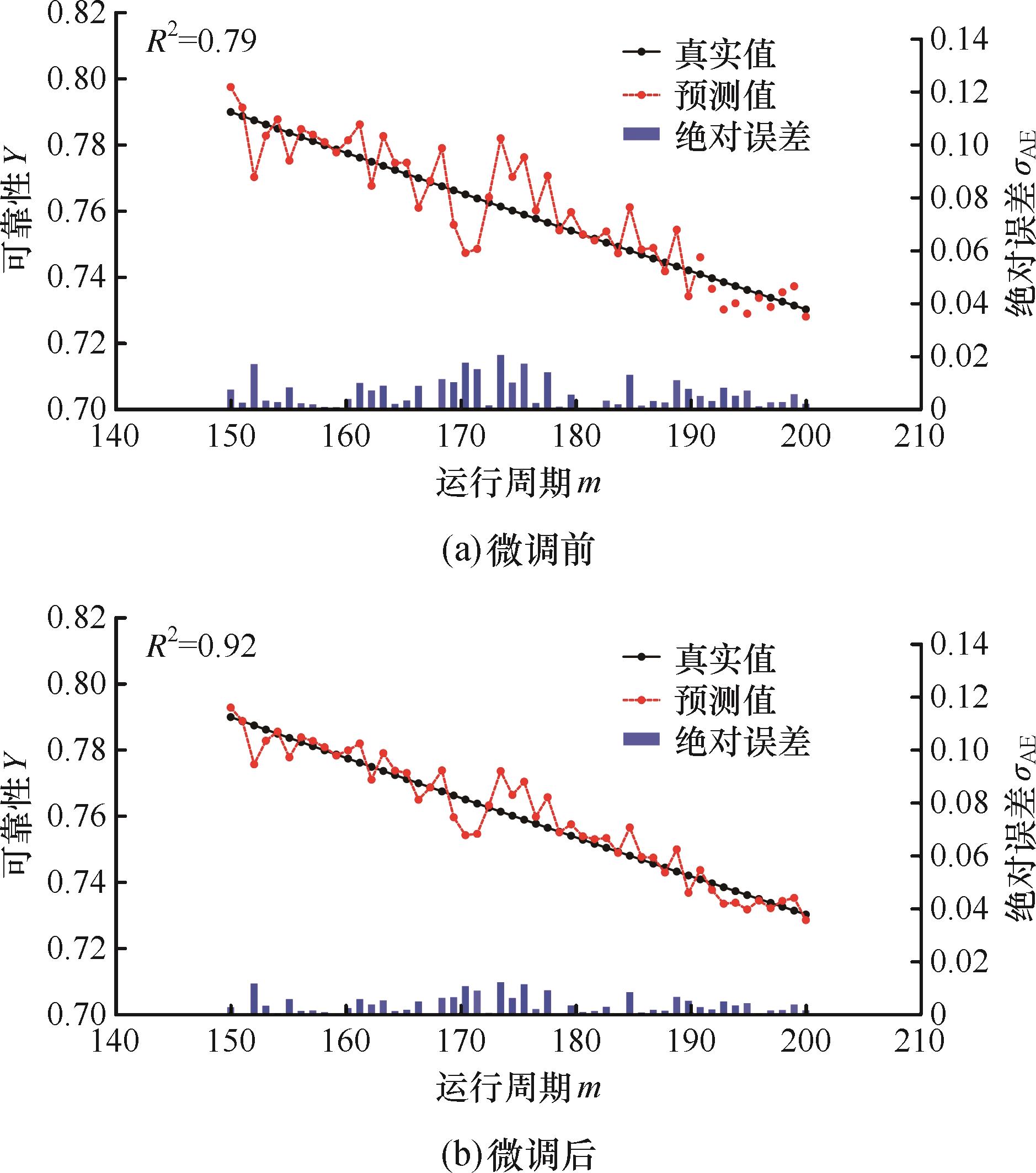
Fig.6 Reliability curve prediction results before and after fine-tuning of test set 2
| 模型 | σRMSE | R2 |
|---|---|---|
| CNN | 0.010 | 0.68 |
| CNNTL | 0.007 | 0.83 |
| LSTM | 0.009 | 0.76 |
| LSTMTL | 0.006 | 0.86 |
| CNN-LSTMTL | 0.004 | 0.92 |
Tab.4 Performance comparison of different prediction models
| 模型 | σRMSE | R2 |
|---|---|---|
| CNN | 0.010 | 0.68 |
| CNNTL | 0.007 | 0.83 |
| LSTM | 0.009 | 0.76 |
| LSTMTL | 0.006 | 0.86 |
| CNN-LSTMTL | 0.004 | 0.92 |
| [1] | ZHANG Xugang, AO Xiuyi, JIANG Zhigang, et al. A Remanufacturing Cost Prediction Model of Used Parts Considering Failure Characteristics[J]. Robotics and Computer-integrated Manufacturing, 2019, 59: 291-296. |
| [2] | JIANG Zhigang, ZHOU Tingting, ZHANG Hua, et al. Reliability and Cost Optimization for Remanufacturing Process Planning[J]. Journal of Cleaner Production, 2016, 135: 1602-1610. |
| [3] | 曹华军, 杜彦斌. 机床装备在役再制造的内涵及技术体系[J]. 中国机械工程, 2018, 29(19): 2357-2363. |
| CAO Huajun, DU Yanbin. Connotation and Technology System Framework of In-service Remanufacturing of Machine Tools[J]. China Mechanical Engineering, 2018, 29(19): 2357-2363. | |
| [4] | 张孟, 李传军, 苗百然, 等. 基于Bootstrap改进的机床主轴可靠性建模[J]. 计算机集成制造系统, 2025, 31(9): 3401-3410. |
| ZHANG Meng, LI Chuanjun, MIAO Bairan, et al. Reliability Modeling of Machine Tool Spindle Based on Bootstrap Improvement[J]. Computer Integrated Manufacturing Systems, 2025, 31(9): 3401-3410. | |
| [5] | BOUJARIF A, COIT D W, JOUINI O, et al. A Deep-learning-based Framework to Predict the Reliability of Multicomponent Repairable Systems in a Closed-loop Supply Chain[J]. IEEE Transactions on Reliability, 2025, 74(3): 3809-3823. |
| [6] | LI Chen, LIU Rongxing, PAN Fukui. Simulation of Reliability Prediction Based on Multiple Factors for Spinning Machine[J]. Autex Research Journal, 2020, 20(1): 17-23. |
| [7] | LIU Zheng, LIU Xin, HUANG Hongzhong, et al. A New Inherent Reliability Modeling and Analysis Method Based on Imprecise Dirichlet Model for Machine Tool Spindle[J]. Annals of Operations Research, 2022, 311(1): 295-310. |
| [8] | LI He, DENG Zhiming, GOLILARZ N A, et al. Reliability Analysis of the Main Drive System of a CNC Machine Tool Including Early Failures[J]. Reliability Engineering & System Safety, 2021, 215: 107846. |
| [9] | 张辉, 张华, 江志刚, 等. 基于条件分布的AMSAA模型再制造机床可靠性增长预测[J]. 机械设计与制造, 2017(6): 127-130. |
| ZHANG Hui, ZHANG Hua, JIANG Zhigang, et al. Remanufacturing Machine Reliability Growth Prediction of Army Materiel System Analysis Activity Model Based on Conditional Distribution[J]. Machinery Design & Manufacture, 2017(6): 127-130. | |
| [10] | LIU C H, LI W Y, RAO W Z, et al. Study on the Failure Mechanism of the Polymorphic Mixture for Remanufactured Machinery Parts[J]. Strength of Materials, 2018, 50(1): 151-156. |
| [11] | XIE Chuan, ZHANG Peng, YAN Zhi. Correlation Analysis of Aeroengine Operation Monitoring Using Deep Learning[J]. Soft Computing, 2021, 25(1): 551-562. |
| [12] | PAN Weihuang, FENG Yunwen, LU Cheng, et al. Analyzing the Operation Reliability of Aeroengine Using Quick Access Recorder Flight Data[J]. Reliability Engineering and System Safety, 2023, 235: 109193. |
| [13] | ZHU Linbo, CHEN Dong, FENG Pengfei. Equipment Operational Reliability Evaluation Method Based on RVM and PCA-fused Features[J]. Mathematical Problems in Engineering, 2021, 2021(1): 6687248. |
| [14] | MATUSZCZAK M, ŻBIKOWSKI M, TEODORCZYK A. Predictive Modelling of Turbofan Engine Components Condition Using Machine and Deep Learning Methods[J]. Eksploatacja i Niezawodność-Maintenance and Reliability, 2021, 23(2): 359-370. |
| [15] | REN Guoai, WANG Zhihai, LIU Xiaoqin, et al. Remaining Useful Life Prediction of Industrial Robot RV Reducer with Multiple Deep Networks and Multicore Support Vector Data Description[J]. Journal of Mechanical Science and Technology, 2024, 38(8): 4037-4051. |
| [16] | 文娟,宋洋,林苏奔,等 .基于多域退化特征生成的RV减速器寿命预测[J/OL].计算机集成制造系统. |
| WEN Juan, SONG Yang, LIN Suben, et al. Life Prediction of RV Reducer Based on Multi-domain Degradation Feature Generation[J/OL]. Computer Integrated Manufacturing Systems.. | |
| [17] | 高玉霞, 王向华, 王静远, 等. 基于性能退化指标的轴承剩余寿命预测及其应用[J]. 兵工自动化, 2023, 42(5): 40-45. |
| GAO Yuxia, WANG Xianghua, WANG Jingyuan, et al. Based Performance Degradation Indicator RUL Prediction and Its Application in Bearing[J]. Ordnance Industry Automation, 2023, 42(5): 40-45. | |
| [18] | 高淑芝, 陈国庆, 张义民, 等. 基于特征选择和ELM神经网络的轴承可靠性预测[J]. 机械设计与制造, 2024(8): 170-173. |
| GAO Shuzhi, CHEN Guoqing, ZHANG Yimin, et al. Reliability Prediction of Bearing Based on Feature Selection and ELM Neural Network Network[J]. Machinery Design & Manufacture, 2024(8): 170-173. | |
| [19] | GUO Xin, LIU Ying, ZHAO Wu, et al. Supporting Resilient Conceptual Design Using Functional Decomposition and Conflict Resolution[J]. Advanced Engineering Informatics, 2021, 48: 101262. |
| [20] | 许鉴, 江志刚, 朱硕, 等. 基于废旧机电产品多属性寿命情景的再制造策略决策方法[J]. 计算机集成制造系统, 2026, 32(1): 287-299. |
| XU Jian, JIANG Zhigang, ZHU Shuo, et al. Decision-making Method for Selecting Remanufacturing Strategies Based on Multi-attribute Remaining Life Scenarios of Used Electromechanical Products[J]. Computer Integrated Manufacturing Systems, 2026, 32(1): 287-299. | |
| [21] | SHINIKE K. A Two Phase Method for Determining the Number of Neurons in the Hidden Layer of a 3-layer Neural Network[C]∥Proceedings of SICE Annual Conference 2010. Taipei, IEEE, 2010: 238-242. |
| [1] | ZHANG Long, HU Yanqing, ZHAO Lijuan, ZHANG Hao. Multichannel Information Fusion and Deep Transfer Learning for Rotating Machinery Fault Diagnosis [J]. China Mechanical Engineering, 2023, 34(08): 966-975. |
| [2] | LUO Yanyan, WANG Yongpeng , SUN Zihang , LIANG Hong . Ultrasonic Recognition and Performance Degradation Model of Electrical Connector Fretting Wear [J]. China Mechanical Engineering, 2023, 34(02): 164-171. |
| [3] | LIU Xiaoping1,2;GUO Bin1,2;CUI Dejun1,2;WU Zhenyu1,2;ZHANG Lijie1,2. Q-precentile Life Prediction Based on Bivariate Wiener Process for Gear Pumps with Small Sample Sizes [J]. China Mechanical Engineering, 2020, 31(11): 1315-1322. |
| [4] | LUO Yanyan1,2;ZHANG Le3;MENG Fanbin4;HAO Jie5. Contact Performance Degradation Mechanism of Electrical Connectors under Vibration Conditions [J]. China Mechanical Engineering, 2018, 29(16): 1952-1957. |
| [5] | Qiu Ronghua, Ju Kongliang, Dong Yougeng, Qu Pingge, Liu Hongzhao. Research on Reliability Test Based on Small Sample Motorized Spindle Performance Degradation [J]. China Mechanical Engineering, 2016, 27(20): 2738-2742,2748. |
| [6] | Cao Huiling, Wu Zemin, Qu Chungang, Kang Liping. Life on Wing Prediction of Aeroengine Based on CBM Strategy [J]. China Mechanical Engineering, 2015, 26(13): 1725-1730. |
| [7] | Kang Le, Li Jianlan, Yan Ye, Liu Nian. Study on Reliability Evaluation Based on Shock Loads and Performance Degradation [J]. China Mechanical Engineering, 2014, 25(5): 587-591. |
| [8] | Zhang Long, Huang Wenyi, Xiong Guoliang, Cao Qingsong. Assessment of Rolling Bearing Performance Degradation Using Gauss Mixture Model and Multi-domain Features [J]. China Mechanical Engineering, 2014, 25(22): 3066-3072. |
| [9] | LIU Mei-Fang, YIN Ji-Ting, TU Jian-Bei. #br# SOA-based Remote Intelligent Prognosis Maintenance System of Engineering Machineries [J]. China Mechanical Engineering, 2012, 23(19): 2320-2326. |
| [10] | CA Jing, LIN Chu-Gong, LIU Xiao-Hua. Research on Reliability Prediction for Roller-slide Based on Brownian Motion with Drift [J]. China Mechanical Engineering, 2012, 23(12): 1408-1412. |
| Viewed | ||||||
|
Full text |
|
|||||
|
Abstract |
|
|||||
