


ISSN 1004-132X
CN 42-1294/TH
CN 42-1294/TH
China Mechanical Engineering ›› 2026, Vol. 37 ›› Issue (3): 726-734.DOI: 10.3969/j.issn.1004-132X.2026.03.022
Previous Articles Next Articles
LONG Yupeng1( ), CAI Wei1(), LI Li1, PENG Tao2, DONG Guojun3
Received:2025-03-24
Online:2026-03-25
Published:2026-04-08
Contact:
CAI Wei
龙玉朋1(), 蔡维1(), 李丽1, 彭涛2, 董国军3
通讯作者:
蔡维
作者简介:龙玉朋,男,2000年生,硕士研究生。研究方向为高效精密制造。E-mail:llcc0824@163.com基金资助:CLC Number:
LONG Yupeng, CAI Wei, LI Li, PENG Tao, DONG Guojun. Study on Effects of Parallel Ultrasonic Vibration-assisted Cutting on Surface Integrity of Titanium Alloy Shafts[J]. China Mechanical Engineering, 2026, 37(3): 726-734.
龙玉朋, 蔡维, 李丽, 彭涛, 董国军. 并行超声振动切削对钛合金轴表面完整性的影响研究[J]. 中国机械工程, 2026, 37(3): 726-734.
Add to citation manager EndNote|Ris|BibTeX
URL: https://www.cmemo.org.cn/EN/10.3969/j.issn.1004-132X.2026.03.022
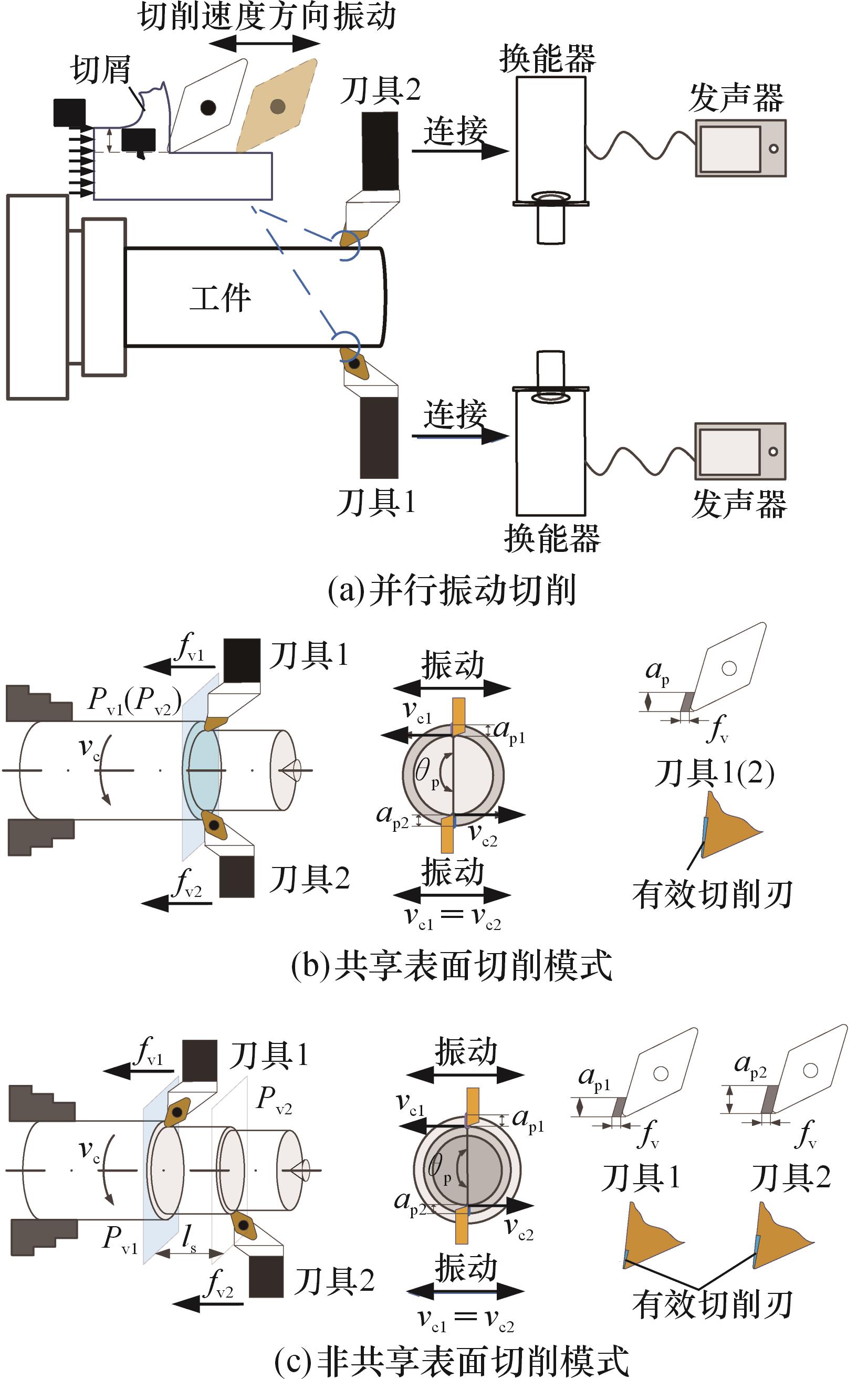
Fig.1 Principle and modes of PUVC
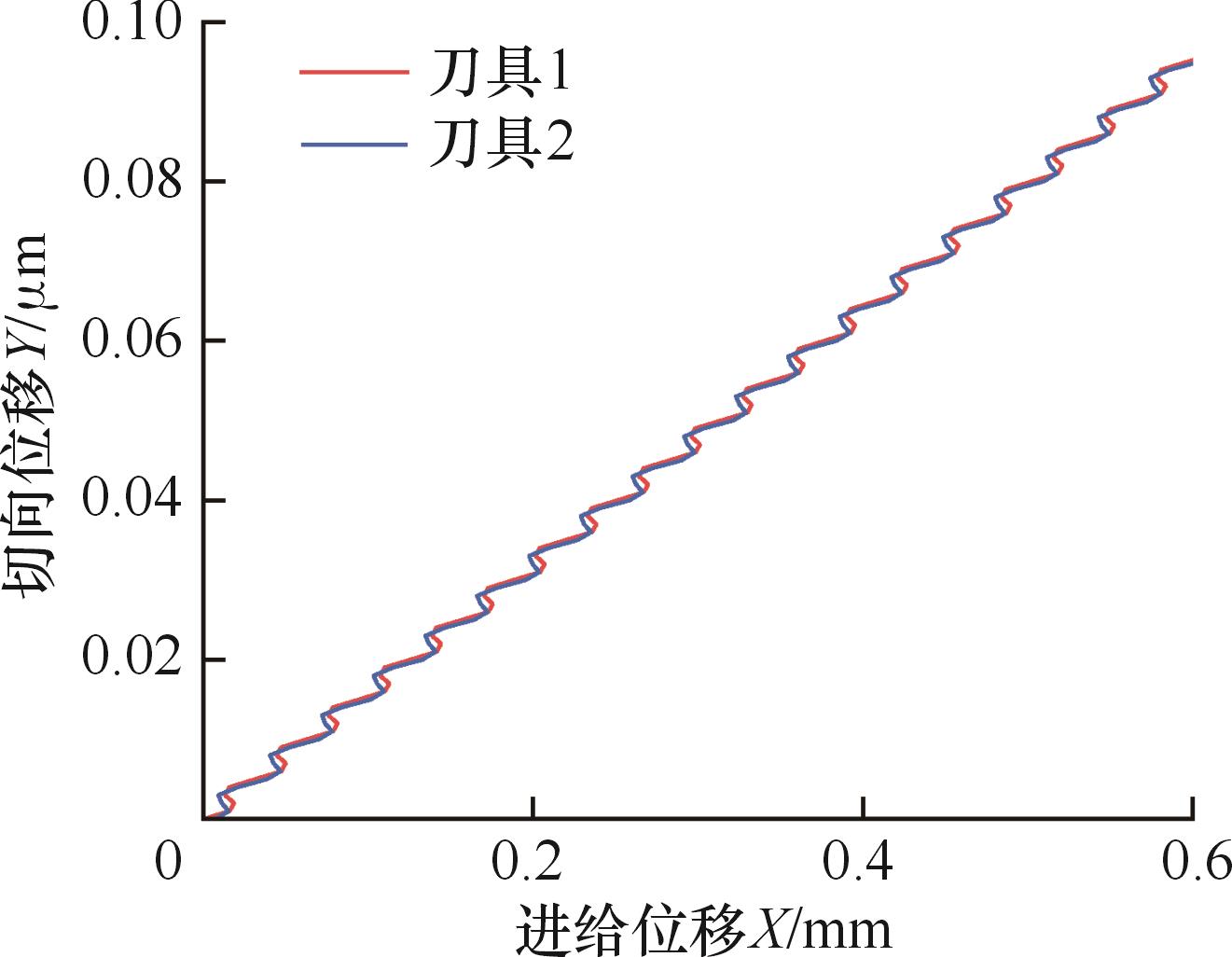
Fig.2 Shared cutting mode tip trajectory diagram
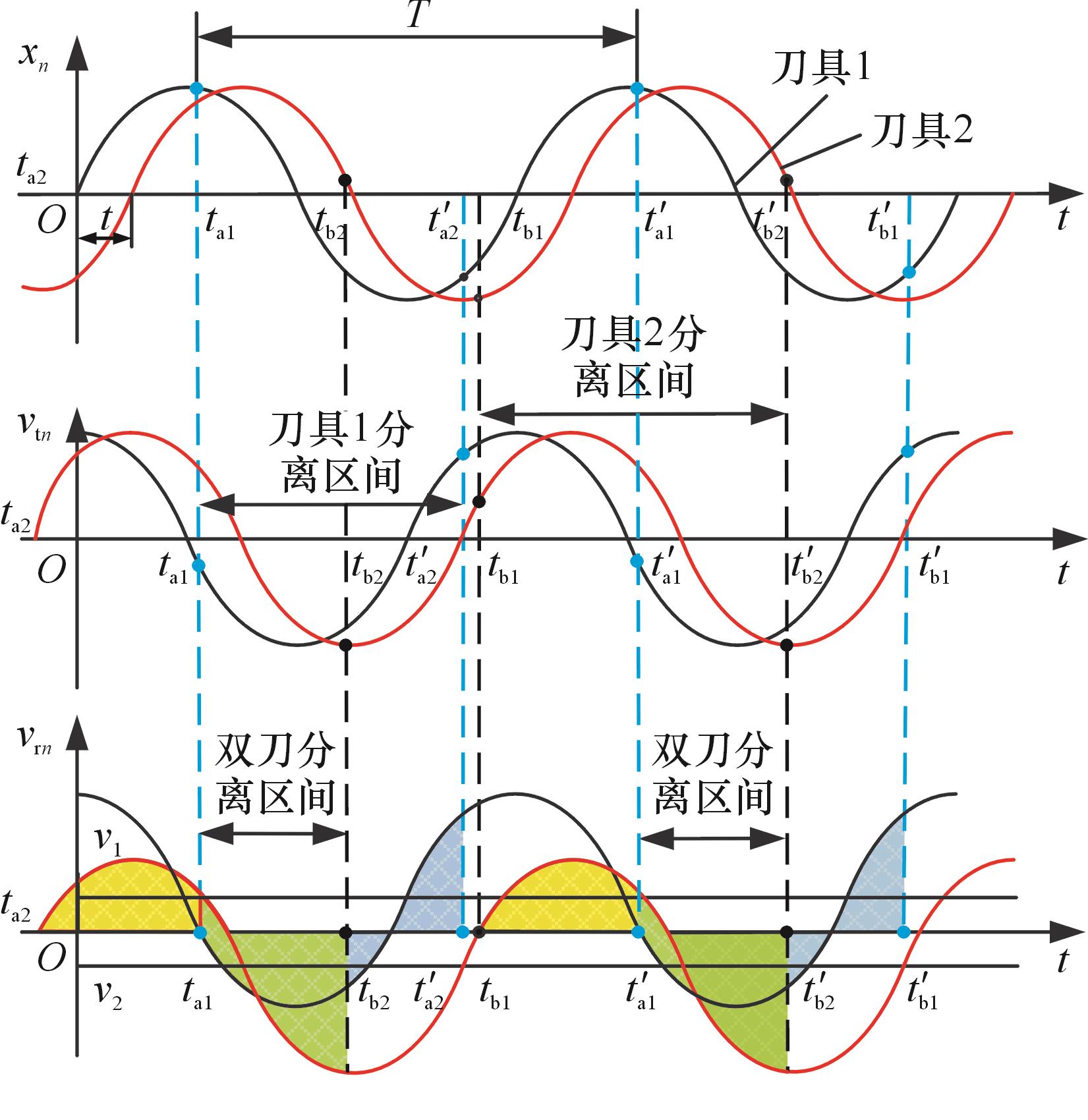
Fig.3 Two tools separation interval for PUVC[26]
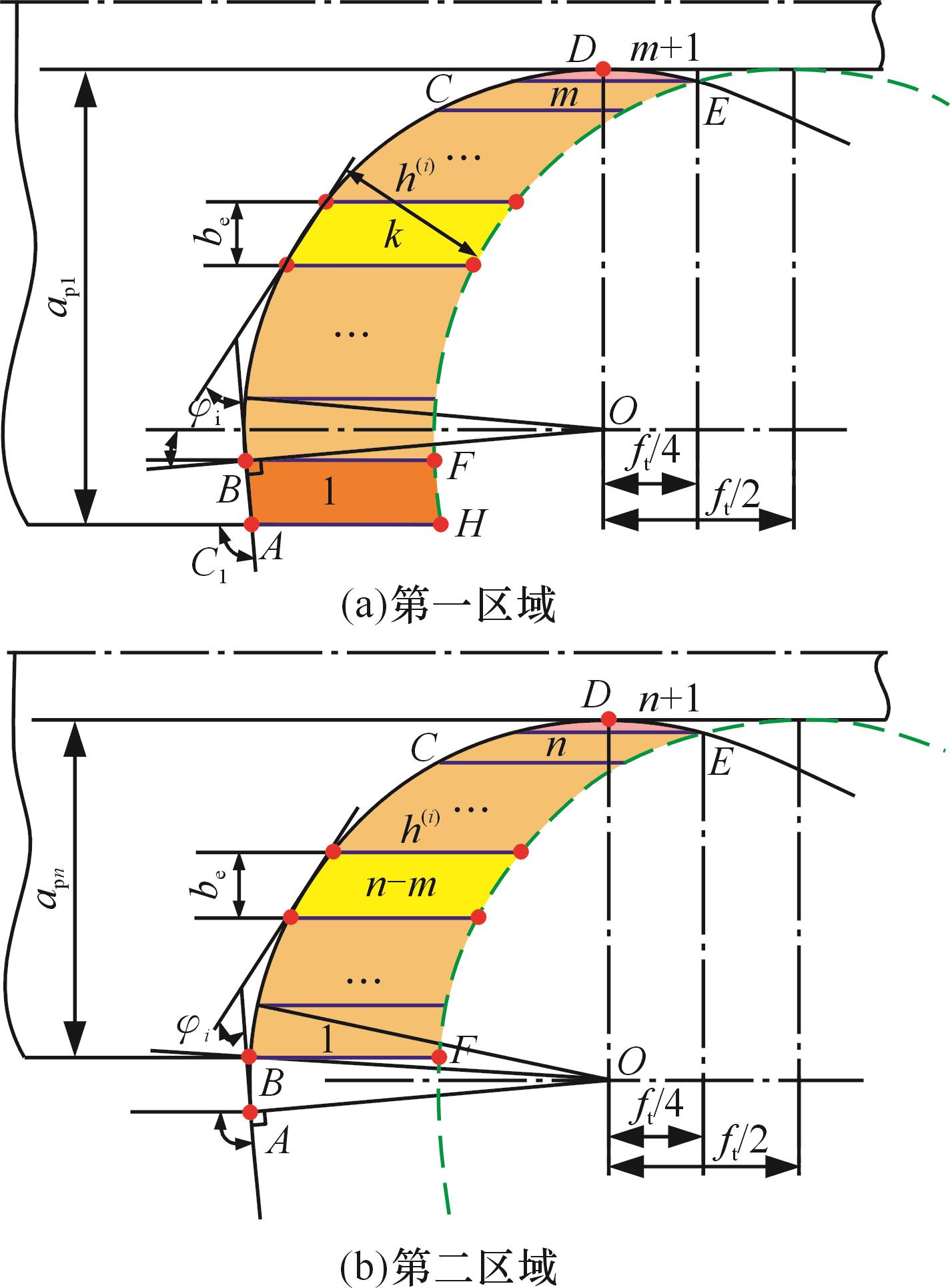
Fig.4 Chip load for PUVC
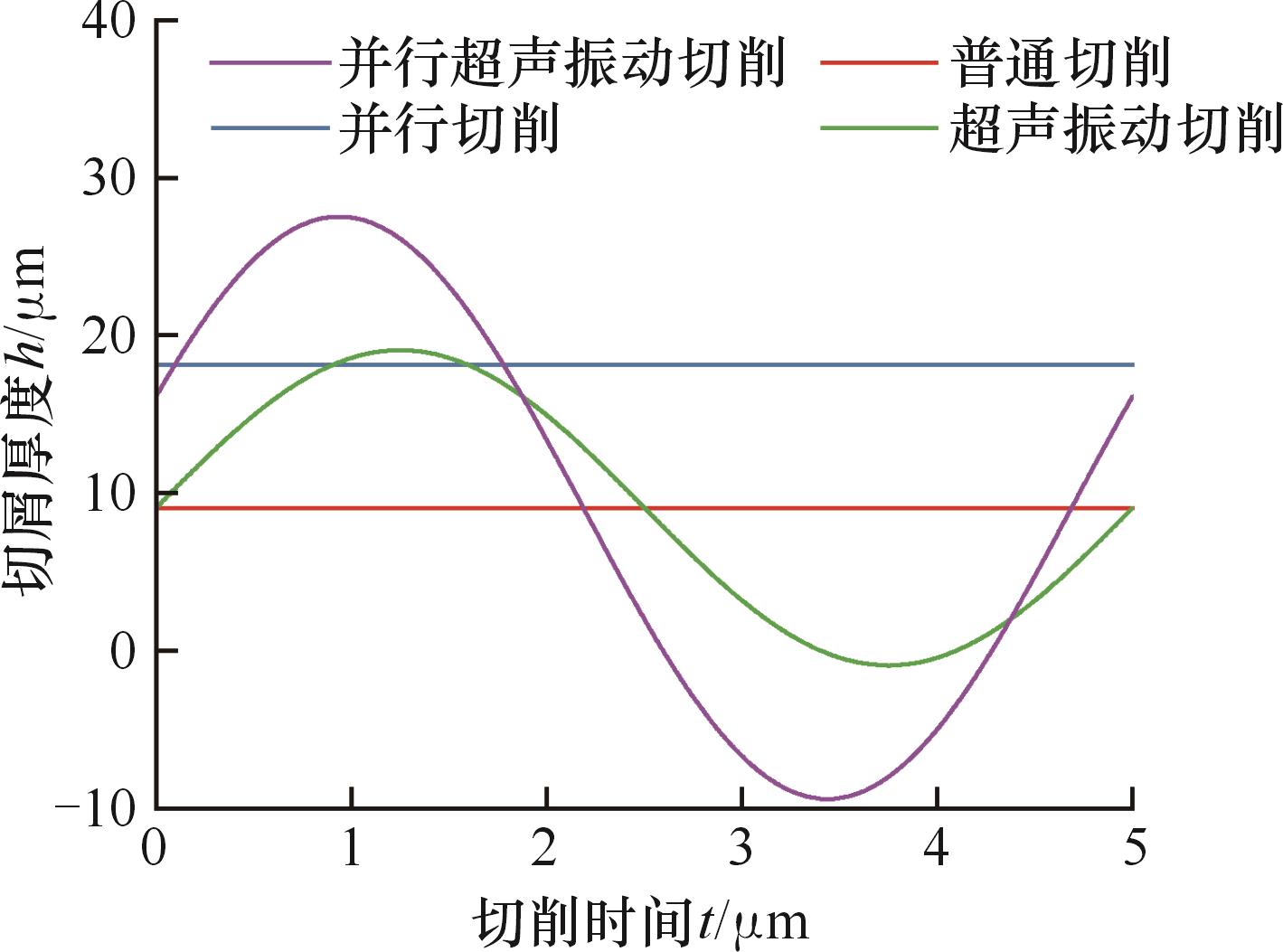
Fig.5 Dynamic chip thickness of different cutting processes
| 参数 | 数值 |
|---|---|
| 主轴电机额定功率/(kW) | 7.5 |
| 伺服电机扭矩/(N·m) | 6 |
| 最大加工长度/mm | 500 |
| 最大加工直径/mm | 120 |
| 托板最大回转直径/mm | 160 |
| 床身最大回转直径/mm | 300 |
| 主轴转速/(r·min-1) | 50~3000 |
| X轴快进速度/(mm·min-1) | 8000 |
| Z轴快进速度/(mm·min-1) | 8000 |
| X轴最小设定单位/mm | 0.001 |
| Z轴最小设定单位/mm | 0.001 |
Tab.1 Technical parameters of CKG7512/2V machines
| 参数 | 数值 |
|---|---|
| 主轴电机额定功率/(kW) | 7.5 |
| 伺服电机扭矩/(N·m) | 6 |
| 最大加工长度/mm | 500 |
| 最大加工直径/mm | 120 |
| 托板最大回转直径/mm | 160 |
| 床身最大回转直径/mm | 300 |
| 主轴转速/(r·min-1) | 50~3000 |
| X轴快进速度/(mm·min-1) | 8000 |
| Z轴快进速度/(mm·min-1) | 8000 |
| X轴最小设定单位/mm | 0.001 |
| Z轴最小设定单位/mm | 0.001 |
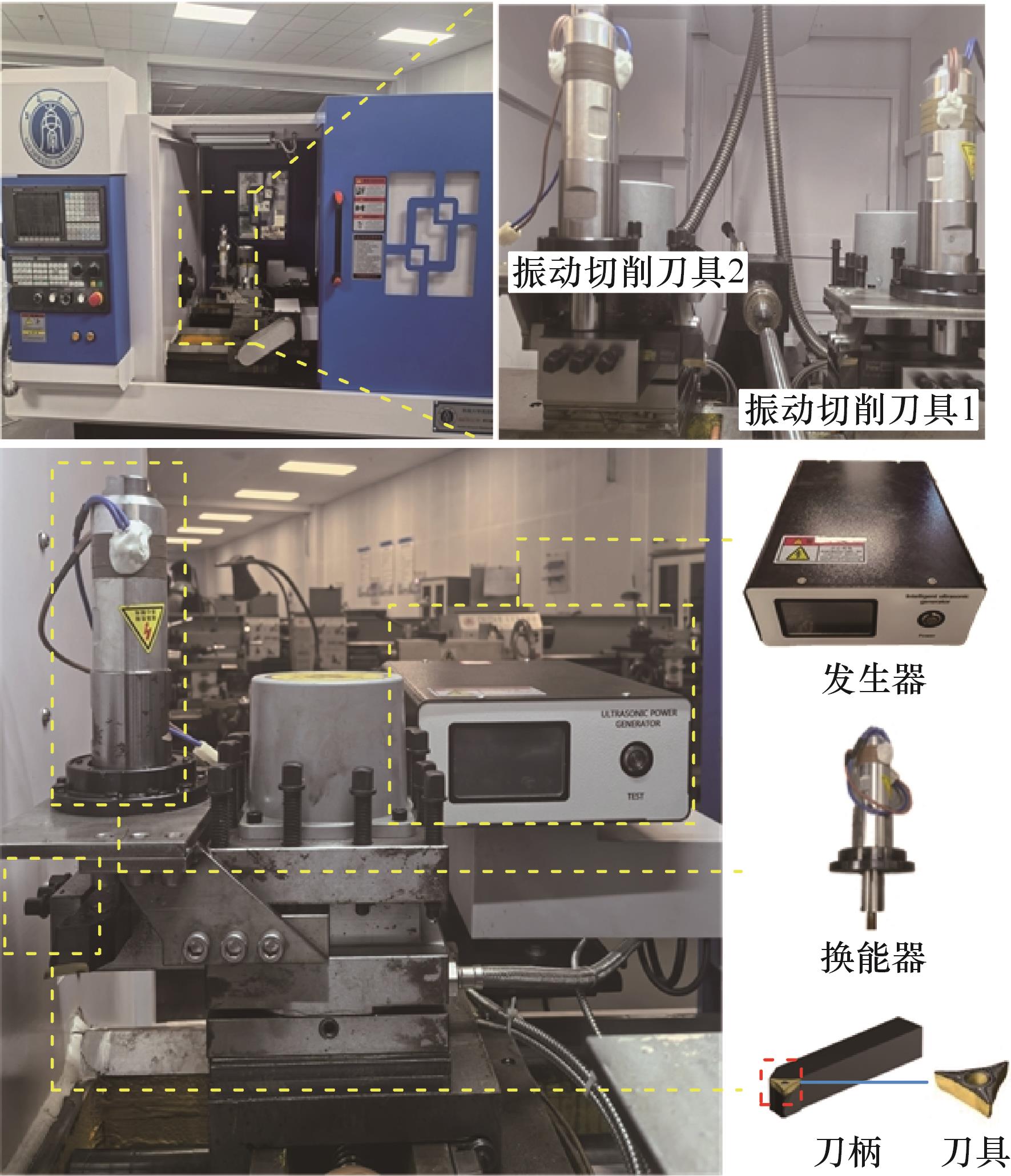
Fig.6 Experimental processing device
| 项目 | 参数 | 设置 |
|---|---|---|
| 工件 | 材料 | Ti6Al4V |
| 直径/mm | 20 | |
| 刀具 | 材料 | CVD涂层硬质合金 |
| 前角/(°) | 8 | |
| 后角/(°) | 6 | |
| 刀尖圆弧半径/mm | 0.4 | |
| 切削参数 | 切削速度/(m·min-1) | 37.68 |
| 进给量/(mm·r-1) | 0.01 | |
| 切削深度/mm | 0.1 | |
| 振动参数 | 频率/kHz | 20 |
| 振幅/μm | 10 | |
| 切削液 | 湿切削 |
Tab.2 Experimental conditions and main processing parameters
| 项目 | 参数 | 设置 |
|---|---|---|
| 工件 | 材料 | Ti6Al4V |
| 直径/mm | 20 | |
| 刀具 | 材料 | CVD涂层硬质合金 |
| 前角/(°) | 8 | |
| 后角/(°) | 6 | |
| 刀尖圆弧半径/mm | 0.4 | |
| 切削参数 | 切削速度/(m·min-1) | 37.68 |
| 进给量/(mm·r-1) | 0.01 | |
| 切削深度/mm | 0.1 | |
| 振动参数 | 频率/kHz | 20 |
| 振幅/μm | 10 | |
| 切削液 | 湿切削 |
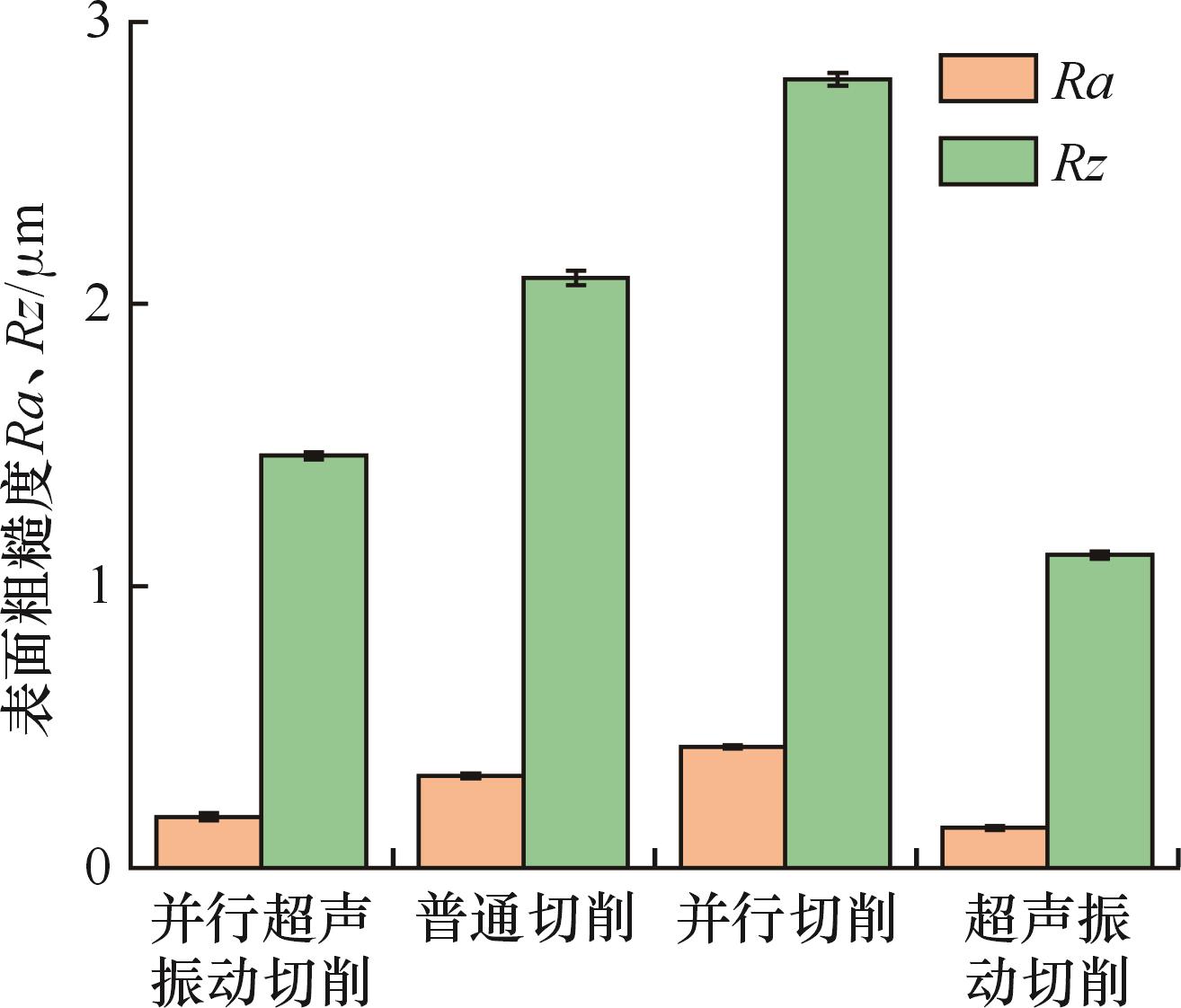
Fig.7 Surface roughness and contour for different processing techniques
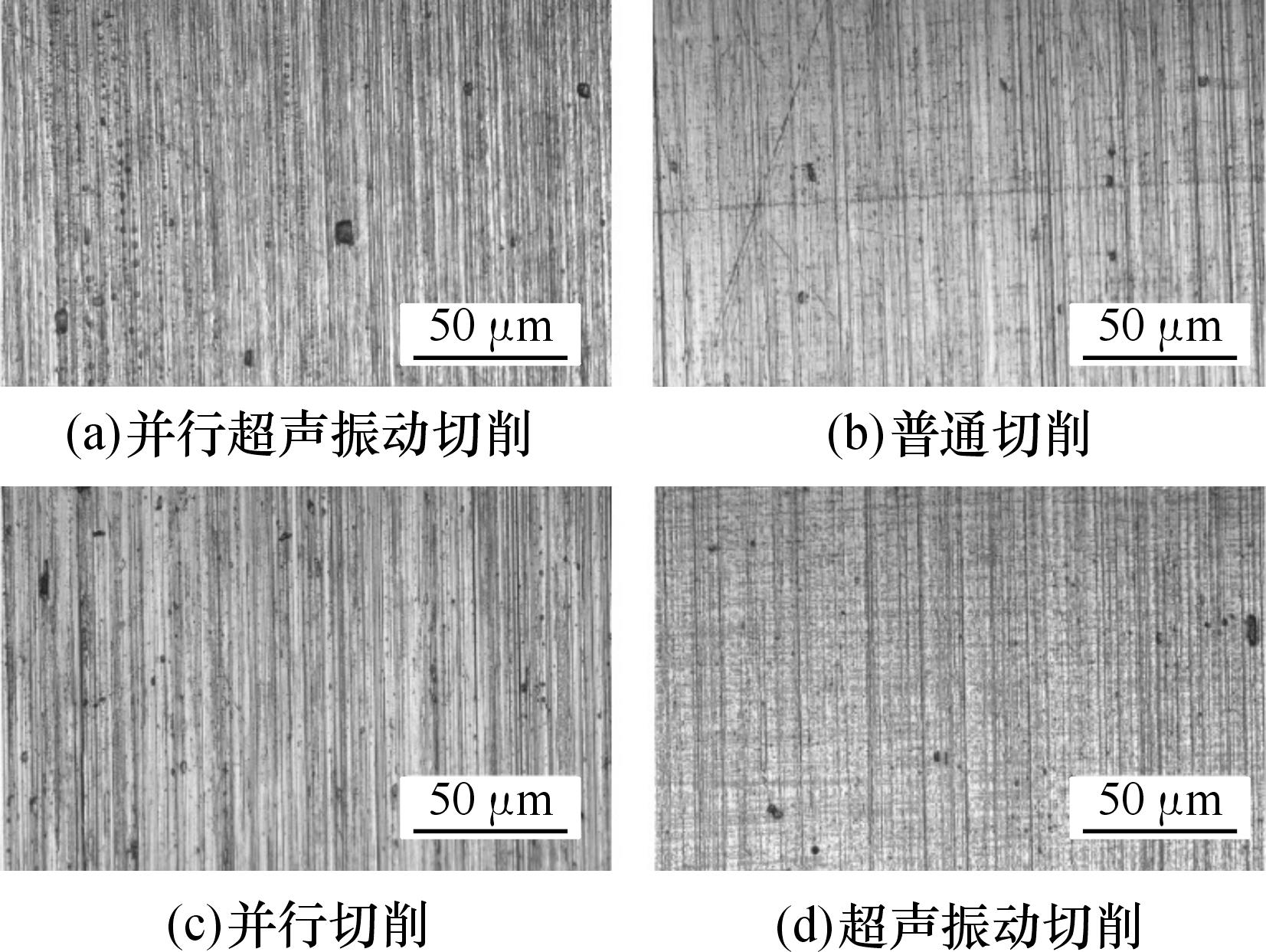
Fig.8 Machined surface topography for different cutting processes
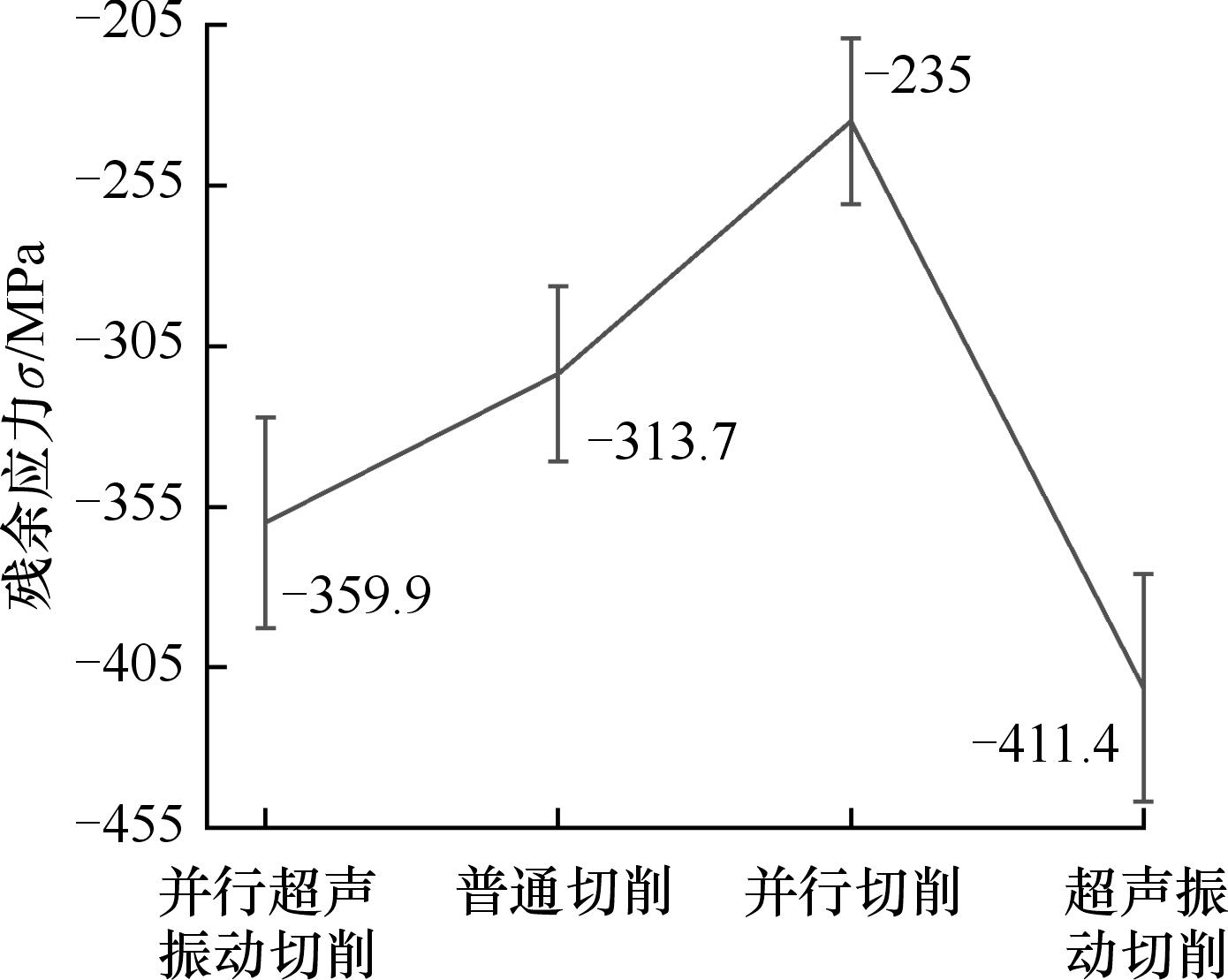
Fig.9 Surface residual stresses for different cutting processes
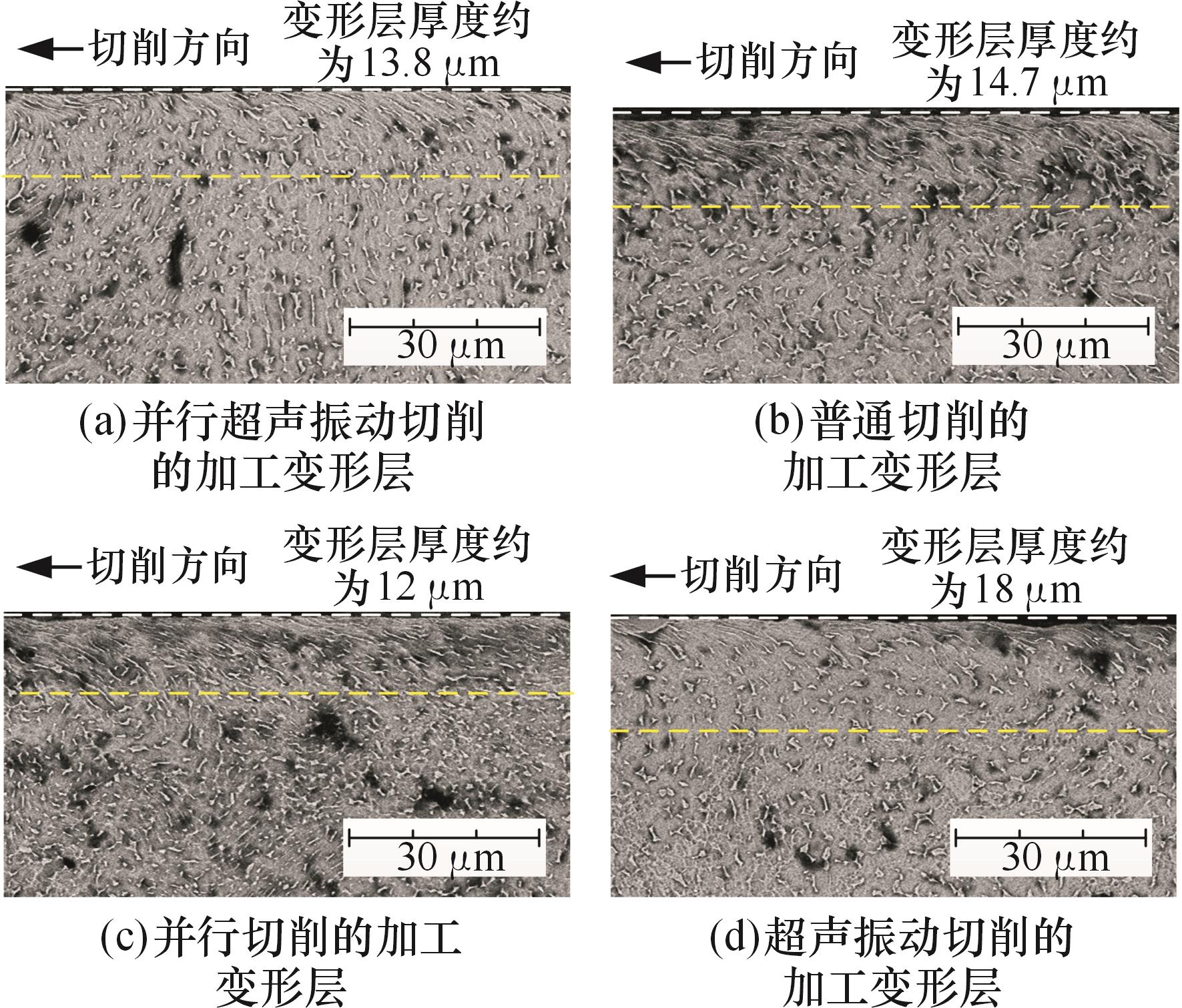
Fig.10 Machined surface deformation layers for different cutting processes
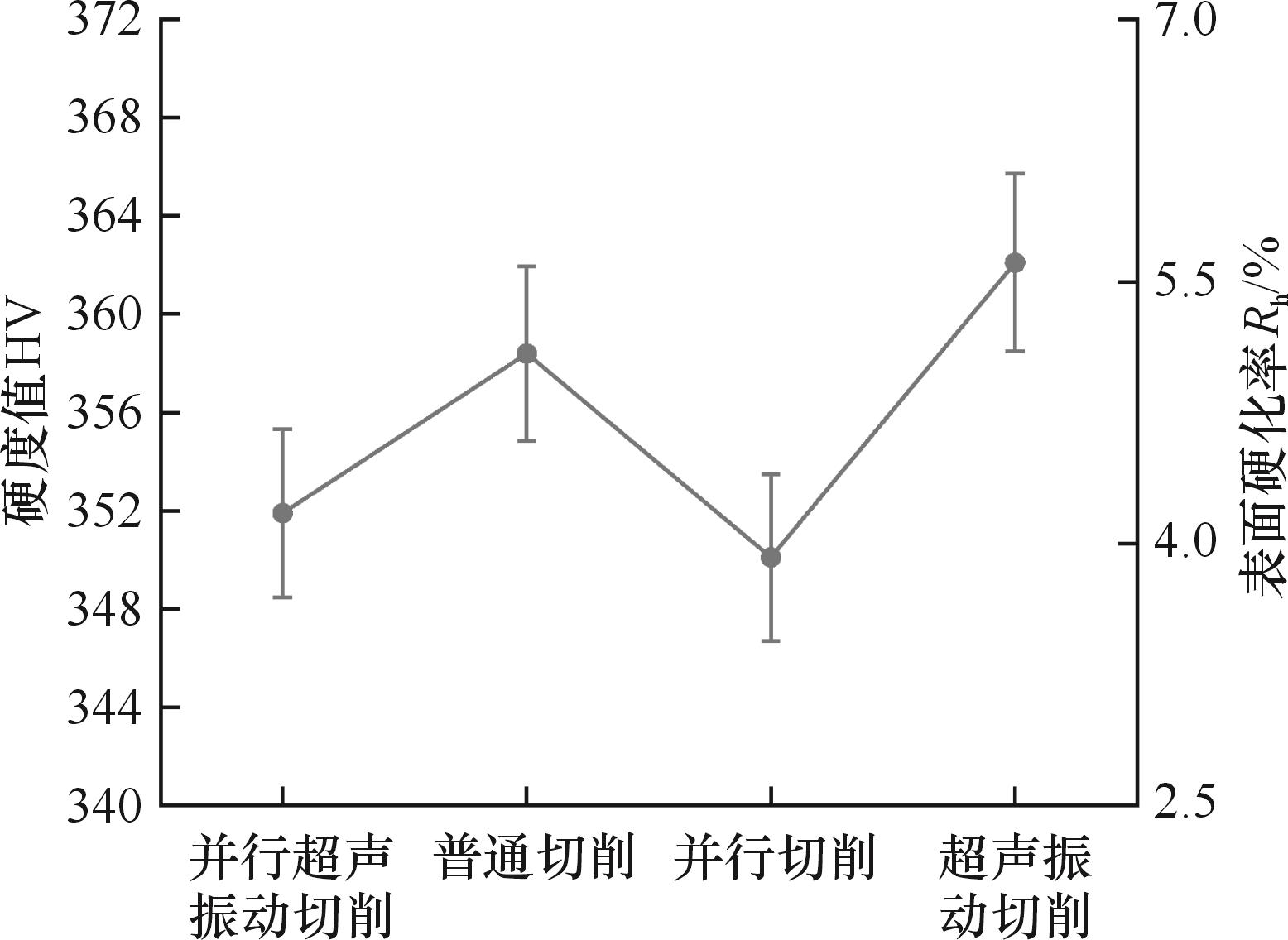
Fig.11 Microhardness of the machined surface for different cutting processes
| [1] | AHMAD A, AKRAM S, JAFFERY S H I, et al. Evaluation of Specific Cutting Energy, Tool Wear, and Surface Roughness in Dry Turning of Titanium Grade 3 Alloy[J]. The International Journal of Advanced Manufacturing Technology, 2023, 127(3):1263-1274. |
| [2] | 张翔宇,路正惠,彭振龙,等. 钛合金的高质高效超声振动切削加工[J]. 机械工程学报,2021,57(5):133-147. |
| ZHANG Xiangyu, LU Zhenghui, PENG Zhenlong,et al. High Quality and Efficient Ultrasonic Vibration Cutting of Titanium Alloys[J]. Journal of Mechanical Engineering, 2021,57(5):133-147. | |
| [3] | 丁文锋,奚欣欣,占京华,等. 航空发动机钛材料磨削技术研究现状及展望[J]. 航空学报,2019,40(6):6-41. |
| DING Wenfeng, XI Xinxin, ZHAN Jinghua,et al. Research Status and Future Development of Grinding Technology of Titanium Materials for Aero-engines[J]. Acta Aeronautica et Astronautica Sinica, 2019, 40(6):6-41. | |
| [4] | PATIL A S, SUNNAPWAR V K, BHOLE K S, et al. Effective Cooling Methods for Ti6Al4V CNC Milling: a Review[J]. Advances in Materials and Processing Technologies, 2023, 9(2):457-506. |
| [5] | CUI Xin, LI Changhe, DING Wenfeng, et al. Minimum Quantity Lubrication Machining of Aeronautical Materials Using Carbon Group Nanolubricant: from Mechanisms to Application[J]. Chinese Journal of Aeronautics, 2022, 35(11):85-112. |
| [6] | 陈科嘉, 阿达依·谢尔亚孜旦. 基于田口法的TC4钛合金电化学车削试验研究[J].现代制造工程,2023(7):1-8. |
| CHEN Kejia, ADAYI Xieeryazidan. Experimental Study on Electrochemical Turning of TC4 Titanium Alloy Based on Taguchi Method[J]. Modern Manufacturing Engineering, 2023(7):1-8. | |
| [7] | 谭荣凯. 基于超声椭圆振动辅助的钛合金超精密切削技术基础研究[D]. 哈尔滨:哈尔滨工业大学, 2020. |
| TAN Rongkai. Fundamental Research on Ultrasonic Elliptical Vibration Assisted Ultra-precision Cutting of Titanium Alloy[D]. Harbin:Harbin Institute of Technology, 2020. | |
| [8] | DING Pengfei, HUANG Xianzhen, LI Yuxiong, et al. Reliability Optimization of Cutting Parameters Considering the Diameter Error of Slender Shaft[J]. Journal of Mechanical Science and Technology, 2021, 35(10):4673-4683. |
| [9] | DUAN Jingwei, ZOU Ping, WEI Shiyu, et al. Research on the Formation Mechanism of Surface Morphology in Three-excitation Ultrasonic Spatial Vibration-assisted Turning[J]. The International Journal of Advanced Manufacturing Technology, 2022, 121(9): 6851-6876. |
| [10] | 陈守峰,王成勇,李伟秋,等. 超声振动铣削加工石墨材料去除机理与加工表面质量评价[J]. 机械工程学报,2024,60(9):86-96. |
| CHEN Shoufeng, WANG Chengyong, LI Weiqiu, et al. Material Removal Mechanism and Surface Quality Evaluation of Graphite Ultrasonic Vibration Milling[J]. Journal of Mechanical Engineering, 2024, 60(9): 86-96. | |
| [11] | MUHAMMAD R, MUHAMMAD R. A Fuzzy Logic Model for the Analysis of Ultrasonic Vibration Assisted Turning and Conventional Turning of Ti-based Alloy[J]. Materials, 2021, 14(21): 6572. |
| [12] | 袁盛旺, 周何情. GH4169高温合金超声辅助切削试验研究[J]. 工具技术, 2024, 58(6): 55-60. |
| YUAN Shengwang, ZHOU Heqing. Experimental Study on Optimization of Ultrasonic Assisted Process Parameters for GH4169 Alloy[J]. Tool Engineering, 2024, 58(6): 55-60. | |
| [13] | YU Fuhang, ZHANG Chen, ZHU Qinsong, et al. Investigation of Ultrasonic Mechanism and Development of Tool Wear Model in Ultrasonic Elliptic Vibration Assisted Cutting of Stainless Steel[J]. Tribology International, 2023, 189: 108962. |
| [14] | 郑金滔, 马浩然, 王进, 等. 超声辅助纳米流体微量润滑车削钛合金实验研究[J]. 中国机械工程, 2025, 36(4):743-752. |
| ZHENG Jintao, MA Haoran, WANG Jin, et al. An Experimental Study on Ultrasonic Vibration Assisted Turning Titanium Alloy with Nanofluid Minimum Quantity Lubrication[J]. China Mechanical Engineering, 2025, 36(4):743-752. | |
| [15] | DOMINGUEZ-CABALLERO J, AYVAR-SOBERANIS S, KIM J, et al. Hybrid Simultaneous Laser- and Ultrasonic-assisted Machining of Ti-6Al-4V Alloy[J]. The International Journal of Advanced Manufacturing Technology, 2023, 125(3): 1903-1916. |
| [16] | LU Zhenghui, ZHANG Deyuan, ZHANG Xiangyu, et al. Effects of High-pressure Coolant on Cutting Performance of High-speed Ultrasonic Vibration Cutting Titanium Alloy[J]. Journal of Materials Processing Technology, 2020, 279:116584. |
| [17] | 张硕, 邹平, 方锐, 等. 微织构车刀椭圆超声辅助切削加工性能研究[J]. 中国机械工程, 2023, 34(3):287-291. |
| ZHANG Shuo, ZOU Ping, FANG Rui, et al. Study on Elliptical Ultrasonic Assisted Machining Performance of Micro Texture Turning Tools[J]. China Mechanical Engineering, 2023, 34(3):287-291. | |
| [18] | ZHANG Yuanhui, CAI Wei, HE Yan, et al. Forward-and-reverse Multidirectional Turning: a Novel Material Removal Approach for Improving Energy Efficiency, Processing Efficiency and Quality[J]. Energy, 2022, 260:125162. |
| [19] | CAI Wei, ZHANG Yuanhui, LI Li, et al. Cutting Mechanics and Efficiency of Forward and Reverse Multidirectional Turning[J]. International Journal of Mechanical Sciences, 2023, 242:108031. |
| [20] | YAMATO S, OKUMA T, NAKANISHI K, et al. Chatter Suppression in Parallel Turning Assisted with Tool Swing Motion Provided by Feed System[J]. International Journal of Automation Technology, 2019, 13(1):80-91. |
| [21] | CAI Wei, XIANG Jingyang, DONG Guojun, et al. Analytical Modelling of Parallel Multidirectional Cutting of Slender Shafts[J]. International Journal of Mechanical Sciences, 2025, 288:110024. |
| [22] | YAMATO S, NAKANISHI K, SUZUKI N, et al. Experimental Verification of Design Methodology for Chatter Suppression in Tool Swing⁃assisted Parallel Turning[J]. The International Journal of Advanced Manufacturing Technology, 2020, 110(7):1759-1771. |
| [23] | SAKATA S, KADOTA T, YAMADA Y, et al. Chatter Avoidance in Parallel Turning with Unequal Pitch Angle Using Observer-based Cutting Force Estimation[J]. Journal of Manufacturing Science and Engineering, 2018, 140(4):044501. |
| [24] | AZVAR M, BUDAK E. Multi-dimensional Chatter Stability for Enhanced Productivity in Different Parallel Turning Strategies[J]. International Journal of Machine Tools and Manufacture, 2017, 123: 116-128. |
| [25] | LONG Yupeng, CAI Wei, YIN Hongxiang, et al. Mechanism of a High Performance and Energy Efficiency Parallel Ultrasonic Vibration-assisted Cutting[J]. Energy, 2025, 326:136244. |
| [26] | CAI Wei, LONG Yupeng, YIN Hongxiang, et al. Towards Understanding Wear Mechanisms of Parallel Ultrasonic Vibration-assisted Cutting for Titanium Alloy[J]. Wear, 2025, 574:206092. |
| [27] | 周京国, 张宇航, 隋天一, 等. 分离-接触特征对钛合金超声振动辅助铣削加工特性影响规律研究[J]. 机械工程学报, 2024, 60(9): 97-113. |
| ZHOU Jingguo, ZHANG Yuhang, SUI Tianyi, et al. Effect of Separation-contact on the Processing Characteristics of Ultrasonic Vibration-assisted Milling of Titanium Alloy[J]. Journal of Mechanical Engineering, 2024, 60(9):97-113. | |
| [28] | 郑华强, 徐英帅, 张杰, 等. 纵扭式超声振动车削不锈钢和钛合金研究[J]. 机床与液压, 2023, 51(1): 42-46. |
| ZHENG Huaqiang, XU Yingshuai, ZHANG Jie, et al. Research on Longitudinal Torsional Ultrasonic Vibration Assisted Turning of Stainless Steel and Titanium Alloy[J]. Machine Tool & Hydraulics, 2023, 51(1):42-46. | |
| [29] | YANG Zhichao, ZHU Lida, ZHANG Guixiang, et al. Review of Ultrasonic Vibration-assisted Machining in Advanced Materials[J]. International Journal of Machine Tools and Manufacture, 2020, 156: 103594. |
| [1] | LIU Zhanqiang, ZHAO Yongyao, WANG Bing, ZHAO Jinfu, LIU Annan, YAO Longxu. Prediction and Conditioning of Surface Integrity for Cutting Difficult-to-machine Metallic Materials [J]. China Mechanical Engineering, 2026, 37(3): 509-527. |
| [2] | SUN Yunqi, YAO Changfeng, SUN Huanfeng, TAN Liang. Research Progresses of Surface Integrity and Fatigue Performance for High-temperature Alloy Shot Peening Processes [J]. China Mechanical Engineering, 2026, 37(2): 315-331. |
| [3] | YU Changrui, LIU Liangbao, ZHOU Jinggang, ZHANG Han, HUANG Dong, ZHANG Ning, LI Xun. Optimization of Roller Burnishing Parameters for Concave Circular-arc Surfaces of Turbine Disk Mortise Grooves [J]. China Mechanical Engineering, 2026, 37(1): 60-65. |
| [4] | YANG Zihao, FAN Zenghua, ZHANG Xiang, GAO Jun. Research on Chemical-assisted Magnetorheological Shear Thickening Polishing of Titanium Alloy Tube Inner Surfaces [J]. China Mechanical Engineering, 2025, 36(12): 2846-2853. |
| [5] | GUO Yuqin, YIN Hang, YANG Dongjie, LIU Chenxi, LI Fuzhu. A Design Method of Wide Blade Ultrasonic Sonotrodes for Both of End and Side Faces Working by Cooperating Frequency Offset Compensation with Stepwise Hierarchical Optimization [J]. China Mechanical Engineering, 2025, 36(12): 2903-2910. |
| [6] | Fujian SUN, Qianfang ZHU, Zhiqiang LIANG, Yanjun LU, Jinlong CHEN, Yubin XIAO, Hao HUANG, Jianping YUAN. Research on Tribological Properties of Hardened Bearing Steel Surfaces by Electric Pulse Assisted Hard Turning [J]. China Mechanical Engineering, 2025, 36(11): 2537-2543. |
| [7] | Zhibo CHEN, Guoping LI, Sitong XIANG, Yanding WEI. Dynamic Perception and Experimental Study of Tactile Texture Based on Ultrasonic Resonance Squeeze Film Effect [J]. China Mechanical Engineering, 2025, 36(11): 2574-2582. |
| [8] | FAN Tao1, 2, YAO Changfeng1, 2, TAN Liang1, 2, SHAN Chenwei1, 2, XIA Ziwen1, 2. Research Progresses for Machining Characteristics and Field-assisted Techniques of γ-TiAl Alloys [J]. China Mechanical Engineering, 2025, 36(04): 636-645. |
| [9] | ZHENG Jintao, MA Haoran, WANG Jin, LIU Guoliang. Experimental Study of Ultrasonic Vibration Assisted Turning Titanium Alloys with Nanofluid MQL [J]. China Mechanical Engineering, 2025, 36(04): 743-752,759. |
| [10] | ZHANG Chao1, REN Yinghui1, 2, YU Xiaolin1, LI Maojun2, YU Chengyang2, DU Xinliang1. Material Removal Mechanism of CFRP in Longitudinal-torsional Ultrasonic Milling Based on Mesoscopic Simulation Model [J]. China Mechanical Engineering, 2025, 36(04): 760-769,779. |
| [11] | ZHOU Jinhua1, 2, QI Qi1, 2, REN Junxue1, 2, ZHAN Mei1, 2. Inverse Solution for TC4 Residual Stress Gradient Distribution in Four-axis Milling with Tapered Ball-end Cutters [J]. China Mechanical Engineering, 2025, 36(04): 770-779. |
| [12] | HE Zhe1, LI Jiale1, SHI Kaining1, FAN Yuchang3, HUANG Xinchun2. Evolution Mechanism of Surface Integrity of GH4169G Turning-shot Peening under Thermal and Mechanical Loads [J]. China Mechanical Engineering, 2025, 36(04): 780-789. |
| [13] | TAN Liang1, 2, FAN Yi3, YAO Changfeng1, 2. Investigation on Evolution Laws for Surface States of TC17 Alloy Induced by UIT during High-cycle Fatigue at 400 ℃ [J]. China Mechanical Engineering, 2025, 36(04): 790-801. |
| [14] | JIAO Jiqiang1, 2, MENG Jun2, XIE Wenjun2, Guo Fangzhun1. Structure Design and Performance Study of Titanium Alloy-lined Thin-wall Chambers [J]. China Mechanical Engineering, 2025, 36(02): 265-270. |
| [15] | SONG Pengfei1, 2, CAO Miaoyan1, 2, FU Min1, 2, CUI Yashuo1, 2, LI Yunfeng1, 2, LIU Zheng1, 2. Ultrasonic Vibration Softening Johnson-Cook Modeling and Validation of Thin Tube Curling Experiments [J]. China Mechanical Engineering, 2024, 35(12): 2106-2113,2121. |
| Viewed | ||||||
|
Full text |
|
|||||
|
Abstract |
|
|||||
