


ISSN 1004-132X
CN 42-1294/TH
CN 42-1294/TH
China Mechanical Engineering ›› 2026, Vol. 37 ›› Issue (3): 555-563.DOI: 10.3969/j.issn.1004-132X.2026.03.005
WANG Zhongkai1( ), XIE Tao1, WANG Hongliang1, HU Fangmin2()
Received:2025-03-25
Online:2026-03-25
Published:2026-04-08
Contact:
HU Fangmin
王仲凯1(), 谢涛1, 王洪亮1, 胡方敏2()
通讯作者:
胡方敏
作者简介:王仲凯,男,2001年生,硕士研究生。研究方向为传感器设计、机械设计及自动化。E-mail:2420604765@qq.com基金资助:CLC Number:
WANG Zhongkai, XIE Tao, WANG Hongliang, HU Fangmin. Optimal Design of Omnidirectional Tilt Sensors Based on Magnetic-Gravity Coupled Pendulous Equilibrium[J]. China Mechanical Engineering, 2026, 37(3): 555-563.
王仲凯, 谢涛, 王洪亮, 胡方敏. 磁-重力耦合悬垂平衡的全向倾角传感器优化设计[J]. 中国机械工程, 2026, 37(3): 555-563.
Add to citation manager EndNote|Ris|BibTeX
URL: https://www.cmemo.org.cn/EN/10.3969/j.issn.1004-132X.2026.03.005
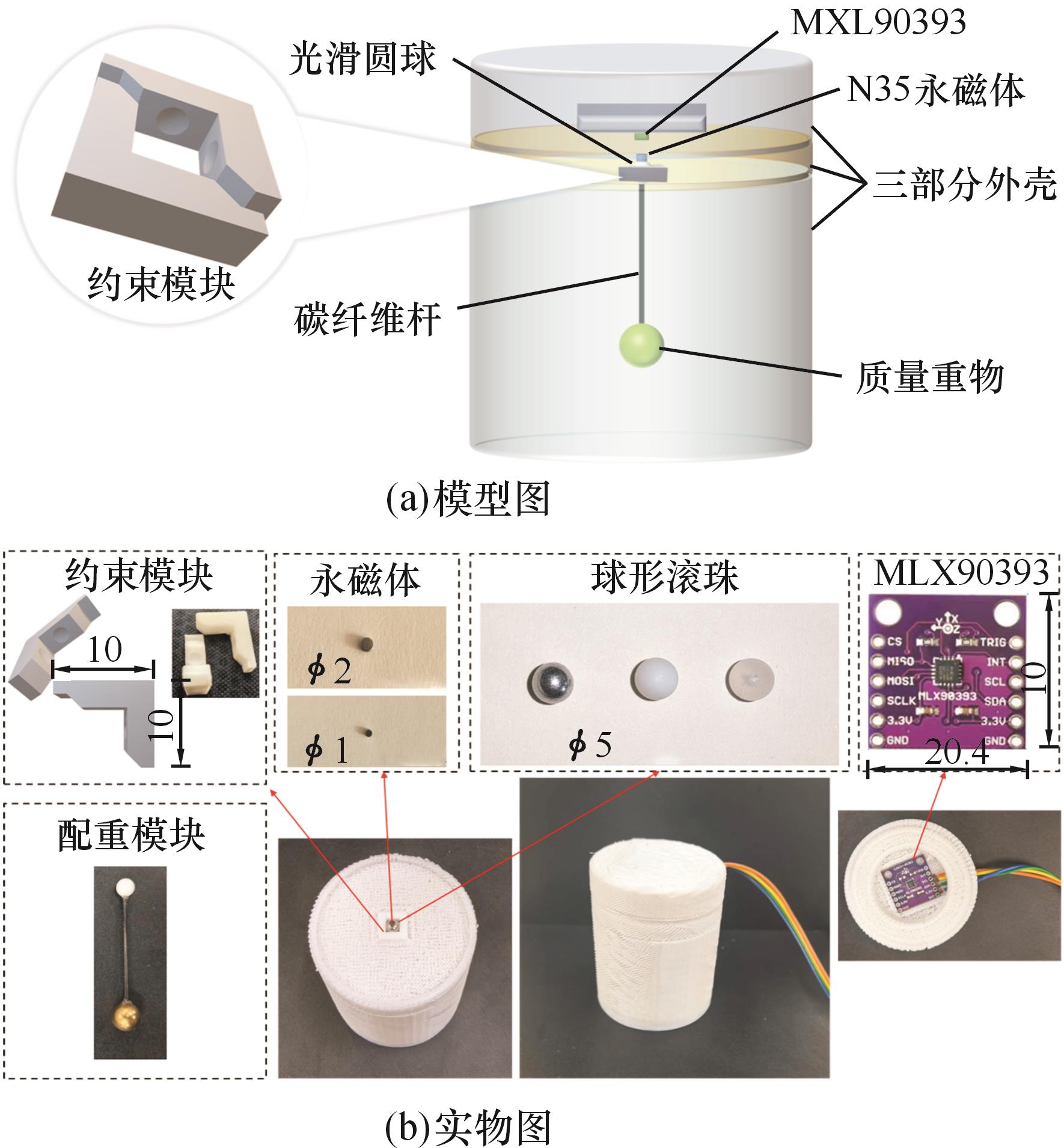
Fig.1 Structural model of the sensor
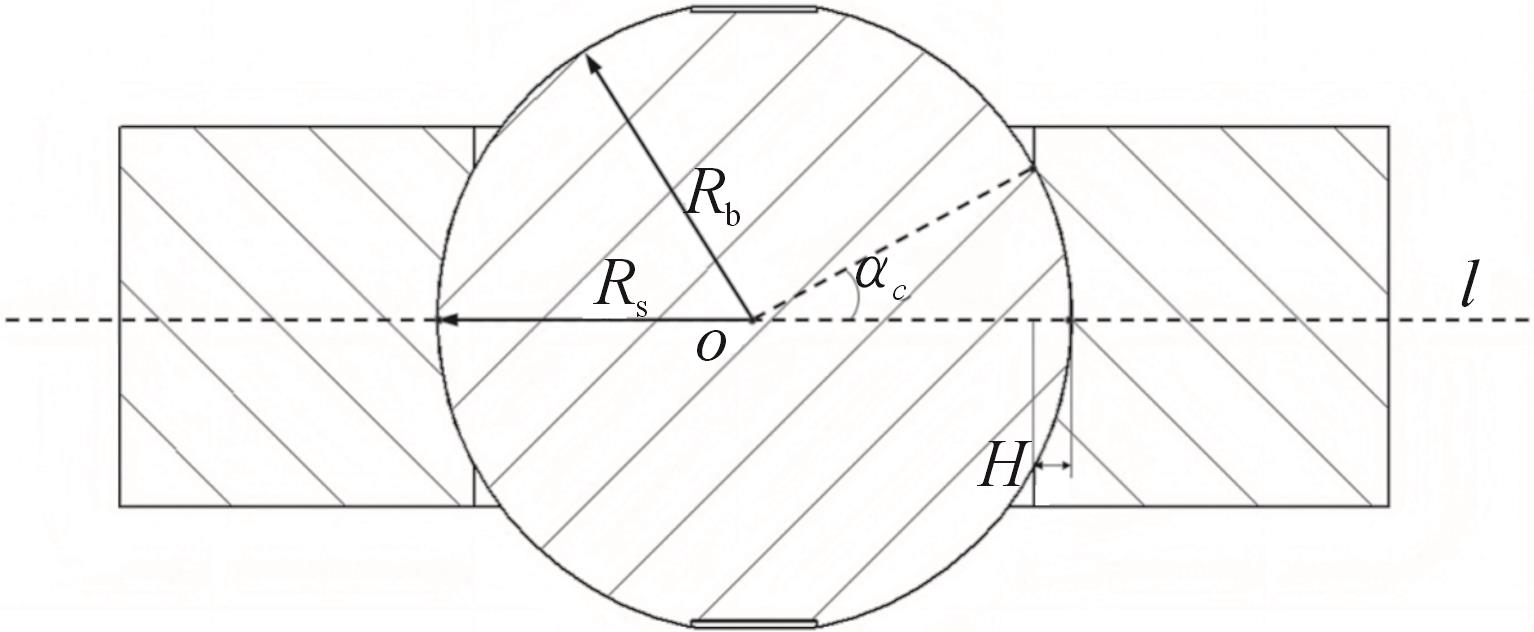
Fig.2 Section view of four-spherical-crown concave pair
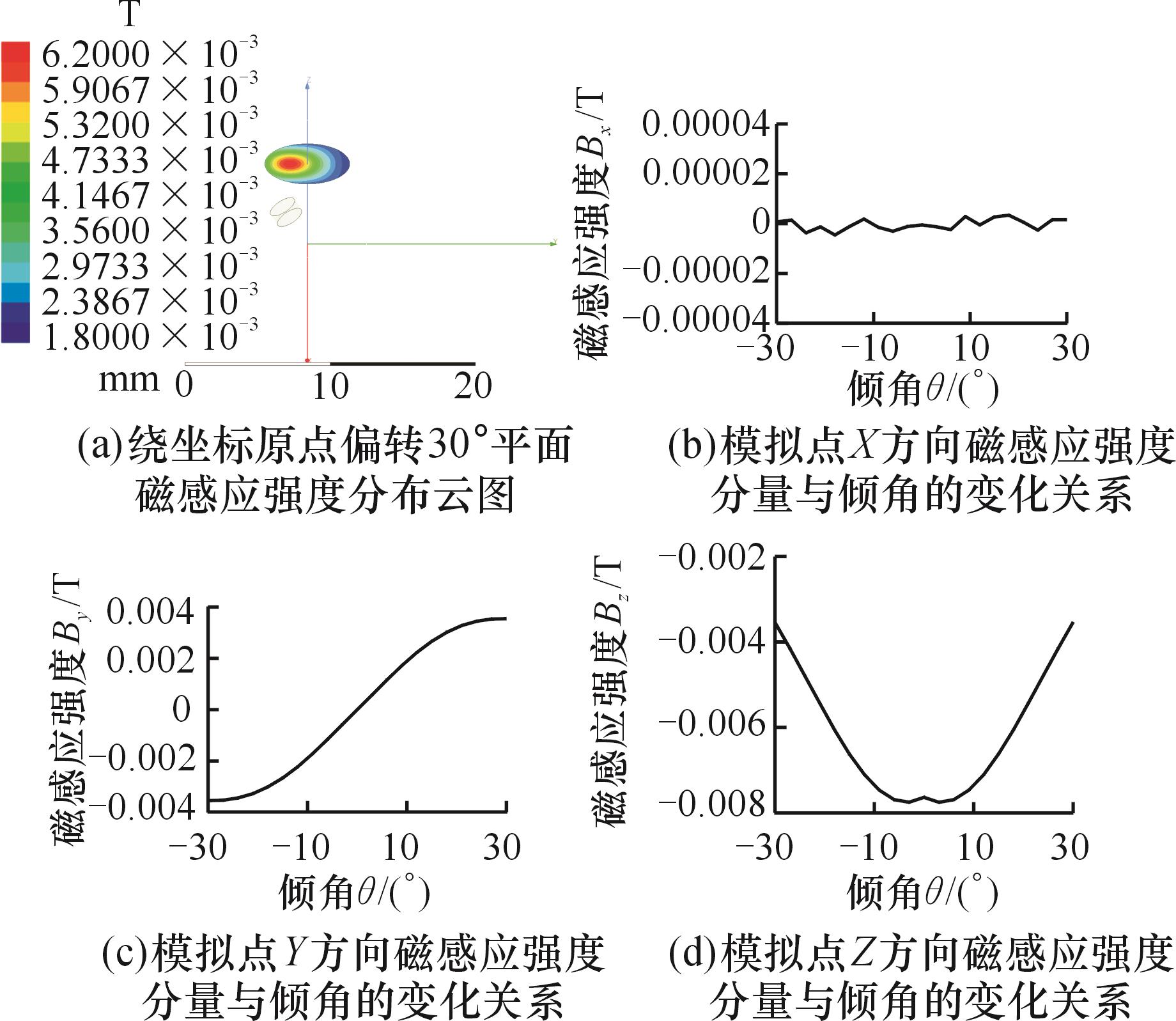
Fig.3 Simulation results under the condition of 2 mm diameter permanent magnet and 3 mm air gap
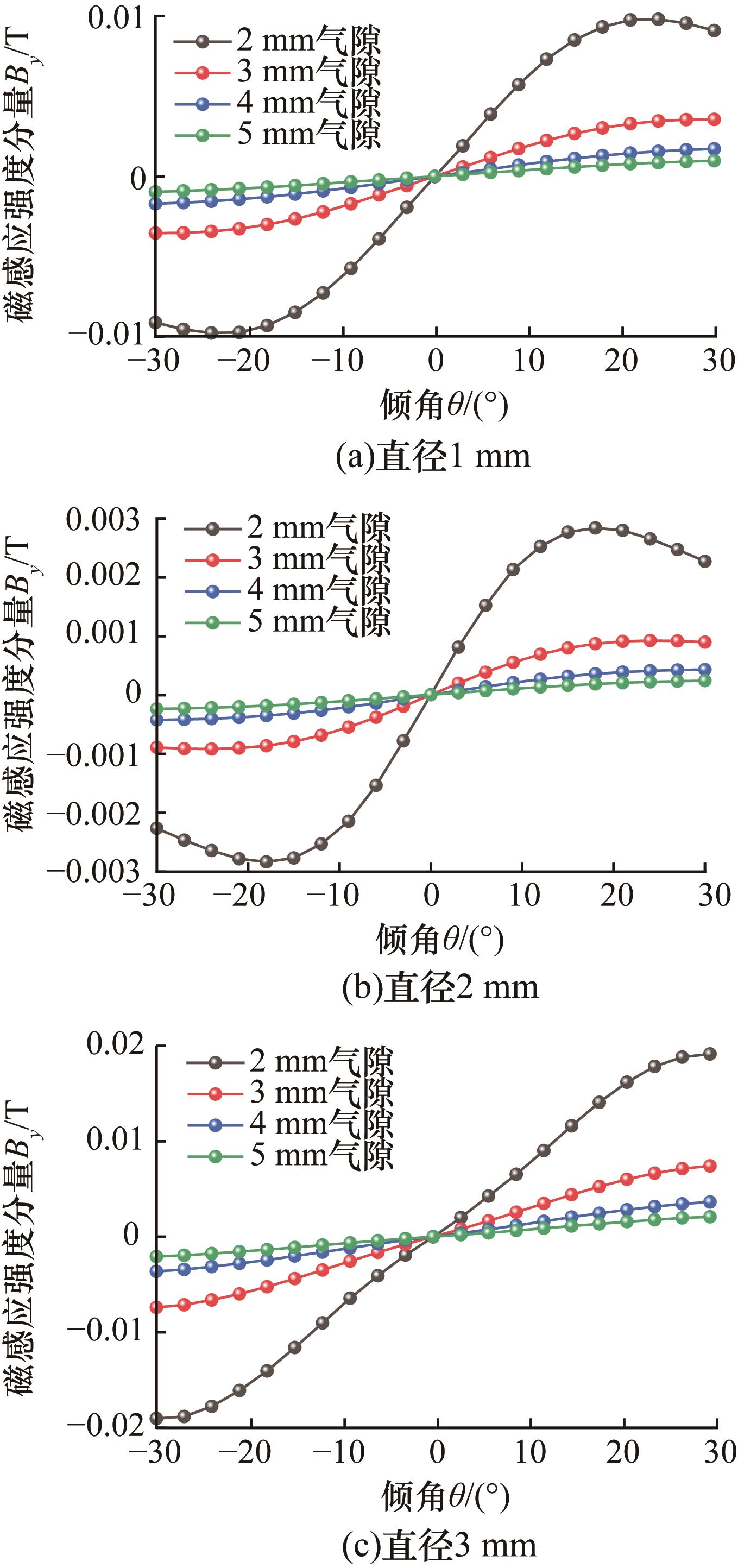
Fig.4 By response versus tilt angle for different permanent magnet diameters under different gap conditions
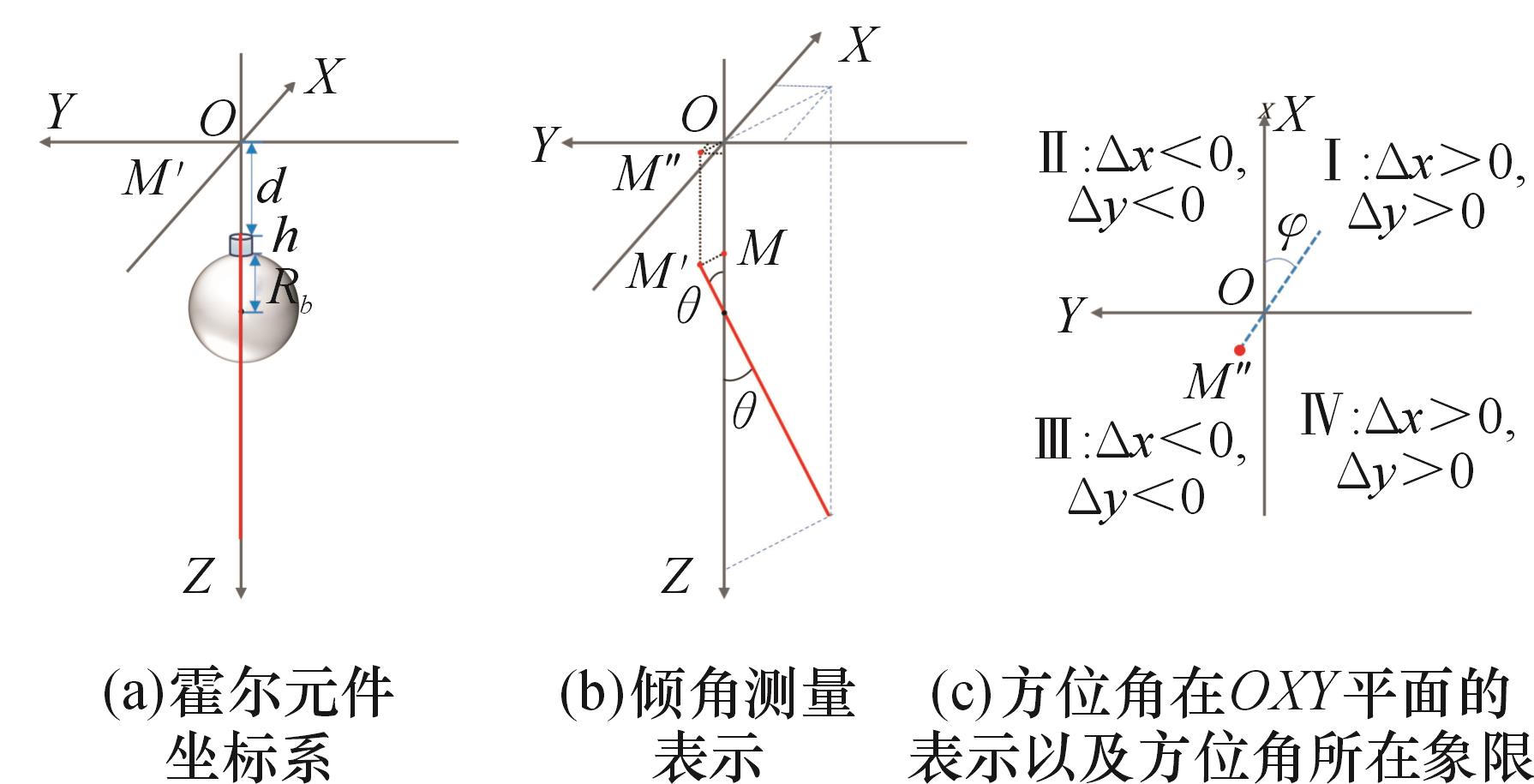
Fig.5 Measurement principle of inclination sensor
| 名称 | 材料 | 弹性模量/MPa | 泊松比 | 密度/(kg·m-3) |
|---|---|---|---|---|
| 滚珠1 | Al | 7100 | 0.33 | 2700 |
| 滚珠2 | PP | 1370 | 0.42 | 910 |
| 滚珠3 | PTFE | 500 | 0.40 | 2200 |
Tab.1 Key parameters of ball material
| 名称 | 材料 | 弹性模量/MPa | 泊松比 | 密度/(kg·m-3) |
|---|---|---|---|---|
| 滚珠1 | Al | 7100 | 0.33 | 2700 |
| 滚珠2 | PP | 1370 | 0.42 | 910 |
| 滚珠3 | PTFE | 500 | 0.40 | 2200 |
| 球冠高度/mm | 最大摩擦应力/kPa | 平均摩擦应力/kPa | 最大等效应力/kPa | 平均等效应力/kPa | |
|---|---|---|---|---|---|
| PTFE | 0.2 | 0.086 97 | 0.011 87 | 8.619 | 1.295 |
| 0.3 | 0.116 49 | 0.008 95 | 5.422 | 1.211 | |
| 0.4 | 0.297 07 | 0.042 90 | 3.799 | 1.061 | |
| PP | 0.2 | 0.097 82 | 0.013 28 | 8.296 | 1.247 |
| 0.3 | 0.133 76 | 0.010 37 | 5.240 | 1.170 | |
| 0.4 | 0.290 71 | 0.042 67 | 3.594 | 1.024 | |
| Al | 0.2 | 0.097 83 | 0.013 17 | 8.753 | 1.315 |
| 0.3 | 0.126 15 | 0.010 08 | 5.509 | 1.230 | |
| 0.4 | 0.372 28 | 0.056 87 | 3.780 | 1.076 |
Tab.2 Simulation results of stress
| 球冠高度/mm | 最大摩擦应力/kPa | 平均摩擦应力/kPa | 最大等效应力/kPa | 平均等效应力/kPa | |
|---|---|---|---|---|---|
| PTFE | 0.2 | 0.086 97 | 0.011 87 | 8.619 | 1.295 |
| 0.3 | 0.116 49 | 0.008 95 | 5.422 | 1.211 | |
| 0.4 | 0.297 07 | 0.042 90 | 3.799 | 1.061 | |
| PP | 0.2 | 0.097 82 | 0.013 28 | 8.296 | 1.247 |
| 0.3 | 0.133 76 | 0.010 37 | 5.240 | 1.170 | |
| 0.4 | 0.290 71 | 0.042 67 | 3.594 | 1.024 | |
| Al | 0.2 | 0.097 83 | 0.013 17 | 8.753 | 1.315 |
| 0.3 | 0.126 15 | 0.010 08 | 5.509 | 1.230 | |
| 0.4 | 0.372 28 | 0.056 87 | 3.780 | 1.076 |
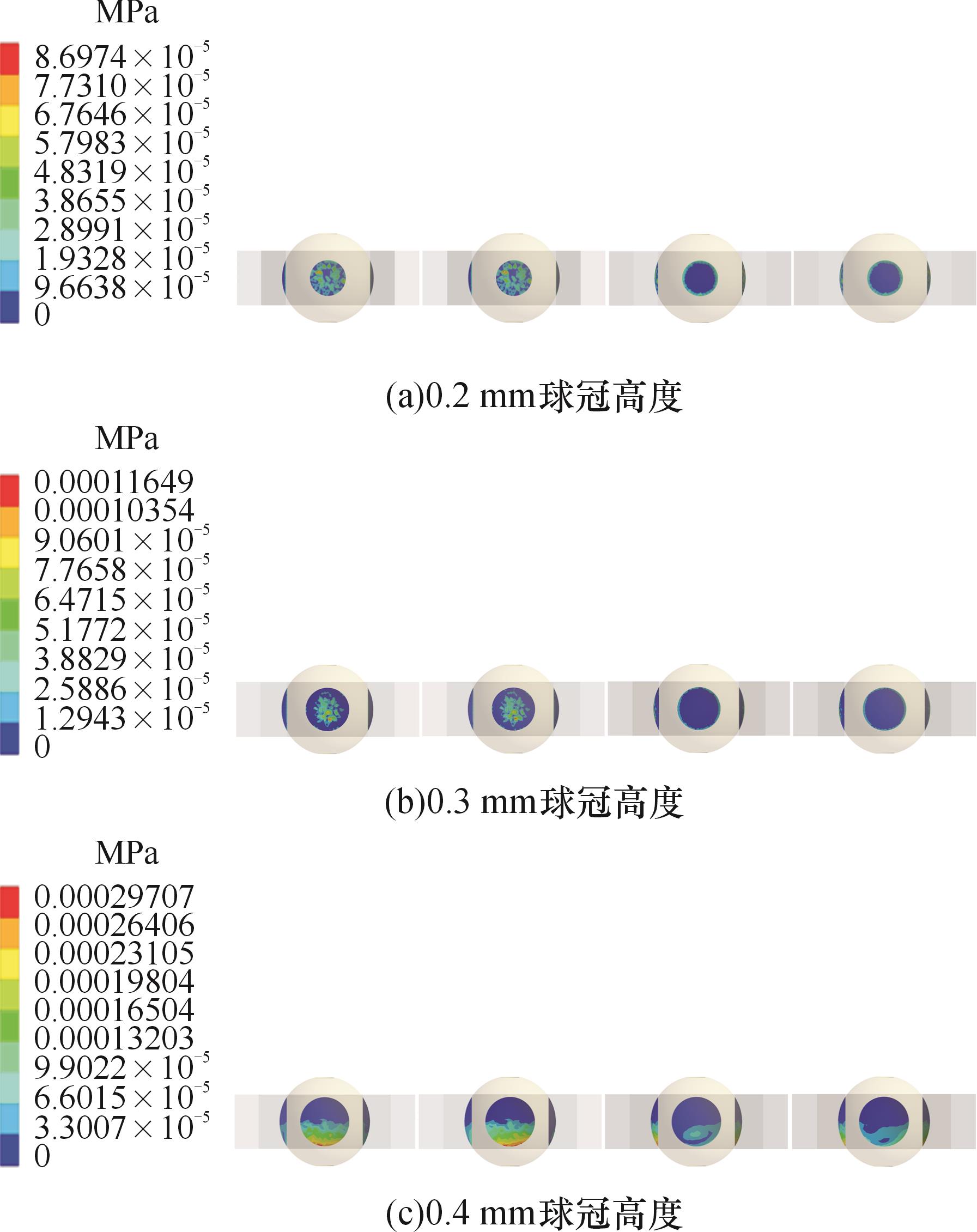
Fig.6 Frictional stress contour plots of PTFE balls on 4 contact surfaces under different spherical cap heights
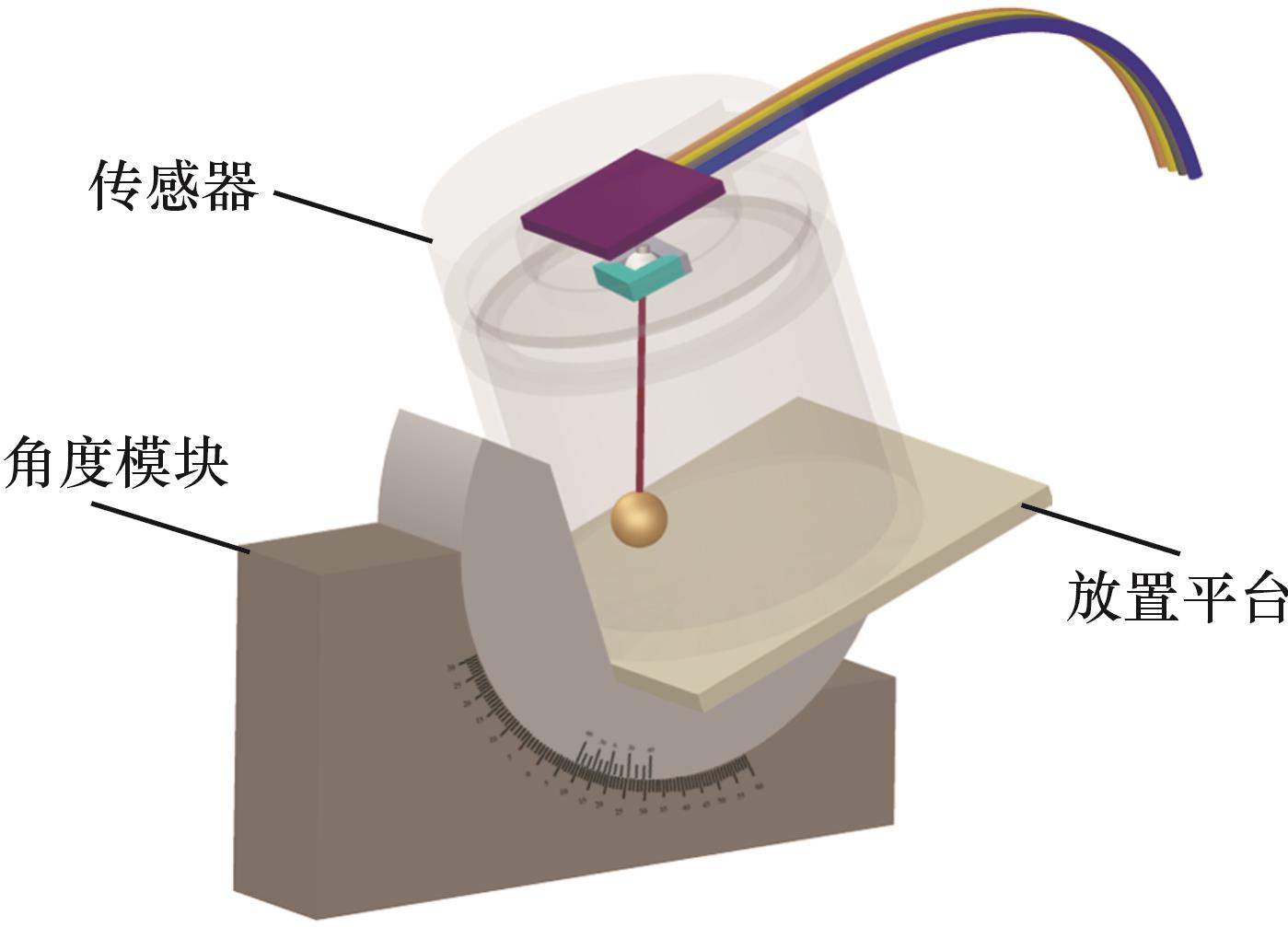
Fig.7 Calibration device for inclinometer
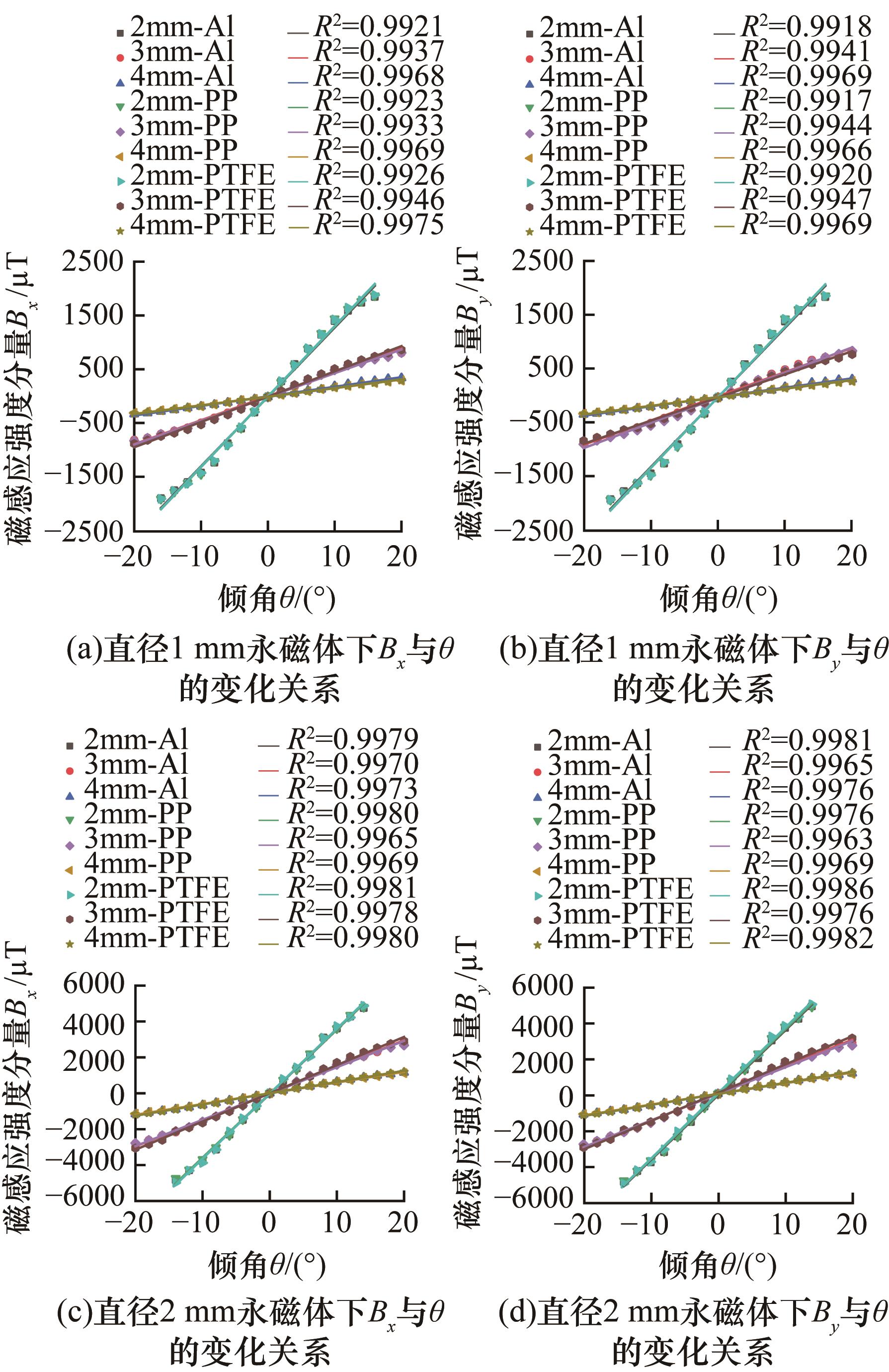
Fig.8 Calibration experimental results
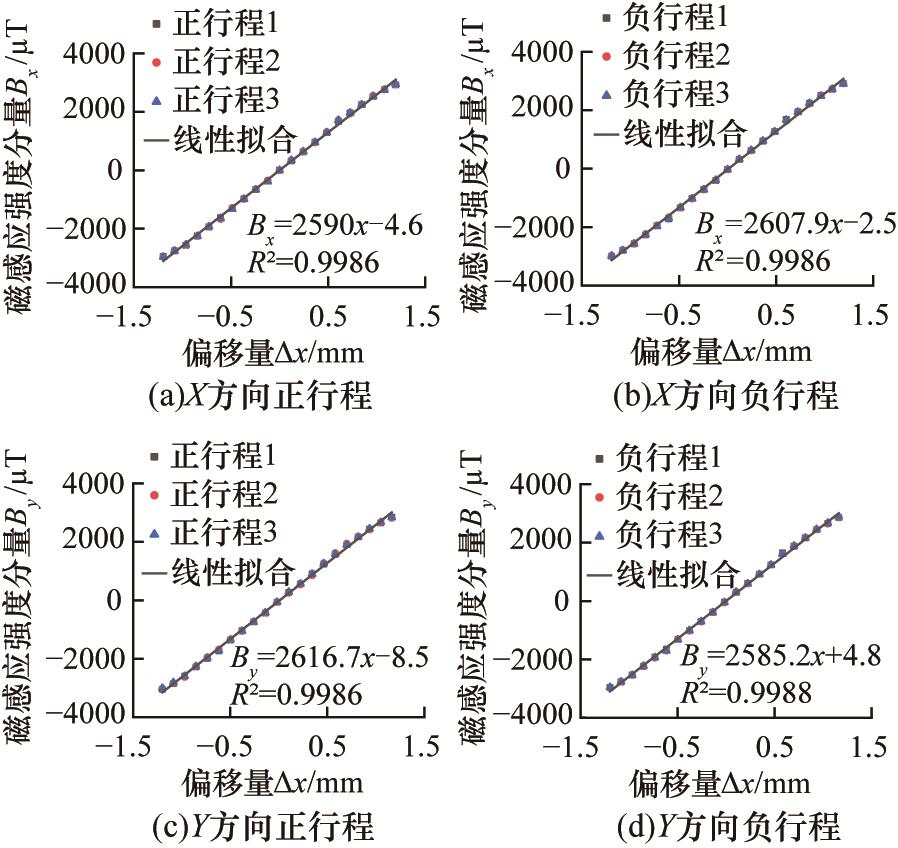
Fig.9 Calibration results in X direction and Y direction
| 方向 | 线性度/ % | 重复性/ % | 迟滞性/ % | 灵敏度/ (µT·(°)-1) |
|---|---|---|---|---|
| X | 2.7646 | 1.8179 | 1.6406 | 147.85 |
| Y | 2.6891 | 1.7168 | 1.4823 | 150.78 |
Tab.3 Related indicators of the calibration results in X direction and Y direction
| 方向 | 线性度/ % | 重复性/ % | 迟滞性/ % | 灵敏度/ (µT·(°)-1) |
|---|---|---|---|---|
| X | 2.7646 | 1.8179 | 1.6406 | 147.85 |
| Y | 2.6891 | 1.7168 | 1.4823 | 150.78 |
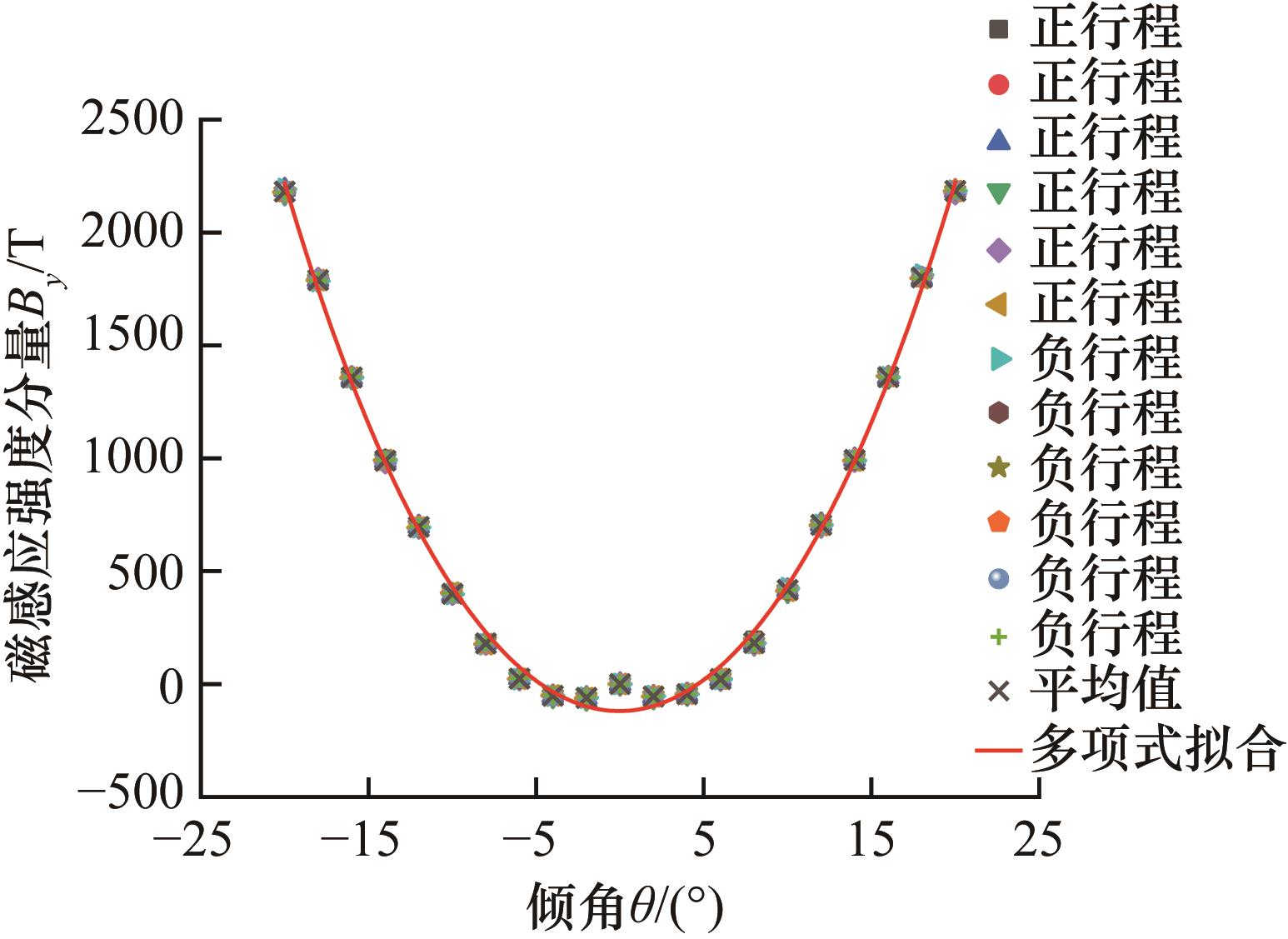
Fig.10 Bz average value and inclination angle polynomial fitting
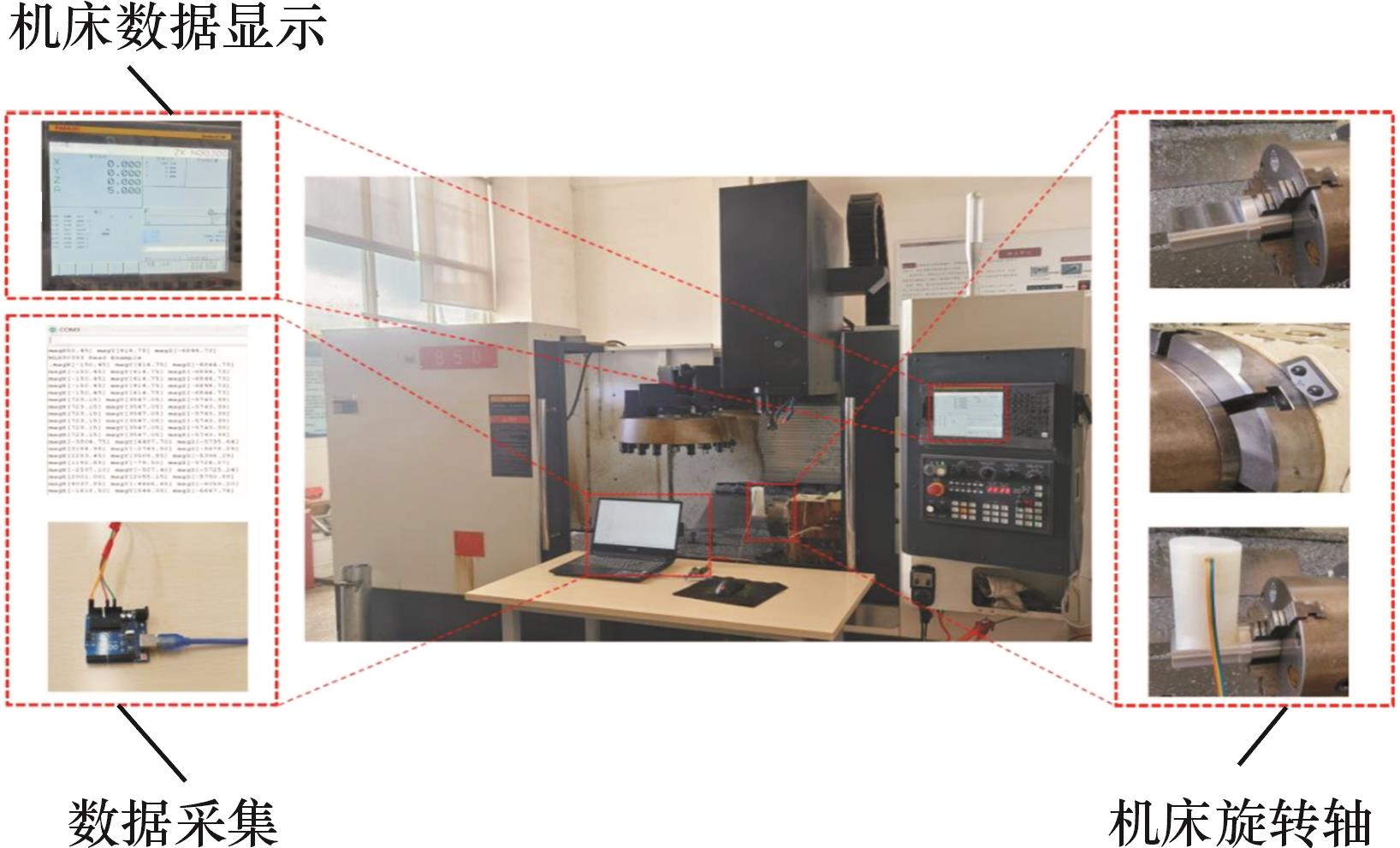
Fig.11 Verification experiment
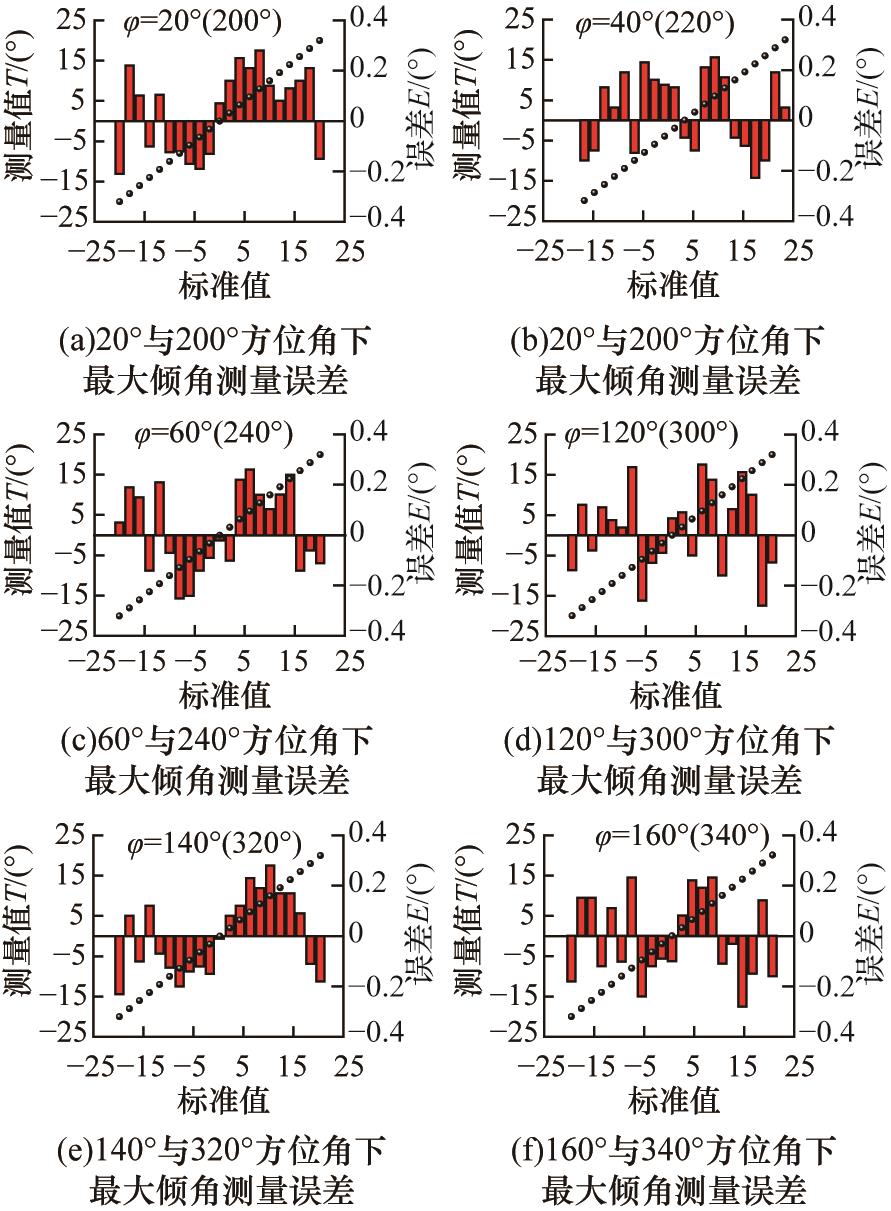
Fig.12 Maximum errors of validation experiment
| [1] | 陈松,吕玉祥. 一种输电杆塔总体倾斜角度检测装置的设计与实现[J]. 传感技术学报, 2021, 34(10): 1279-1284. |
| CHEN Song, Yuxiang LYU. Design and Implementation of an Overall Tilt Angle Detection Device for Transmission Tower[J]. Chinese Journal of Sensors and Actuators, 2021, 34(10): 1279-1284. | |
| [2] | PEI H, ZHANG F, ZHANG S. Development of a Novel Hall Element Inclinometer for Slope Displacement Monitoring[J]. Measurement, 2021, 181: 109636. |
| [3] | 陈晓斌,王风栋,吴梦黎,等. 基于倾角反演的隧道断面变形全方位监测方法[J]. 中南大学学报(自然科学版), 2024, 55(1): 151-161. |
| CHEN Xiaobin, WANG Fengdong, WU Mengli, et al. An All-round Monitoring Method for Tunnels Deformation Based on Tilt Inversion[J]. Journal of Central South University(Science and Technology), 2024, 55(1): 151-161. | |
| [4] | OZIOKO O, NASSAR H, DAHIYA R. 3D Printed Interdigitated Capacitor Based Tilt Sensor[J]. IEEE Sensors Journal, 2021, 21(23): 26252-26260. |
| [5] | DU X, CHEN Q. Dual-laser Goniometer: a Flexible Optical Angular Sensor for Joint Angle Measurement[J]. IEEE Transactions on Industrial Electronics, 2020, 68(7): 6328-6338. |
| [6] | ISMAIL N N, SHARBIRIN A S, SA’AD M S M, et al. Novel 3D-printed Biaxial Tilt Sensor Based on Fiber Bragg Grating Sensing Approach[J]. Sensors and Actuators A: Physical, 2021, 330: 112864. |
| [7] | 邢心魁,邝卡斌,覃荷瑛. 一种高灵敏度的新型光纤光栅倾角传感[J]. 光学学报, 2022, 42(7): 51-61. |
| XING Xinkui, KUANG Kabin, QIN Heying, et al. Novel Fiber Bragg Grating Tilt Sensor with High Sensitivity[J]. Acta Optica Sinica, 2022, 42(7): 51-61. | |
| [8] | 杨继森,付航,秦梓洋,等. 互补式双层时栅角位移传感器研究[J]. 中国机械工程, 2023, 34(4): 431-439. |
| YANG Jisen, FU Hang, QIN Ziyang, et al. Research on Complementary Double-layer Time-grid Angular Displacement Sensor[J]. China Mechanical Engineering, 2023, 34(4): 431-439. | |
| [9] | 杨继森,周润,张天恒,等. 结构参数约束下的磁场补偿式双层时栅角位移传感器研究[J]. 中国机械工程, 2023, 34(19): 2296-2303. |
| YANG Jisen, ZHOU Run, ZHANG Tianheng, et al. Research on Magnetic Field Compensated Double-layer Time-grating Angular Displacement Sensors under Structural Parameter Constraints[J]. China Mechanical Engineering, 2023, 34(19): 2296-2303. | |
| [10] | 张文昭,刘志壮,赵全友,等. 液体摆差分电阻倾角传感器设计 [J]. 传感器与微系统, 2019, 38(9): 90-92. |
| ZHANG Wenzhao, LIU Zhizhuang, ZHAO Quanyou, et al. Design of Tilt Angle Sensor with Liquid Pendulum Differential Resistance[J]. Transducer and Microsystem Technologies, 2019, 38(9): 90-92. | |
| [11] | HA T T T, DANG D T, VU Q T, et al. A Robust Two-axis Tilt Angle Sensor Based on Air/Liquid Two-phase Dielectric Capacitive Sensing Structure[J]. IETE Journal of Research, 2020, 66(5): 685-696. |
| [12] | RAO K, LIU H, WEI X, et al. A High-resolution Area-change-based Capacitive MEMS Accelerometer for Tilt Sensing[C]//2020 IEEE International Symposium on Inertial Sensors and Systems (INERTIAL). Hiroshima, 2020: 1-4. |
| [13] | KUMAR A S A, GEORGE B, MUKHOPADHYAY S C. Technologies and Applications of Angle Sensors: a Review[J]. IEEE Sensors Journal, 2020, 21(6): 7195-7206. |
| [14] | ÖZTÜRK Y, YARIÇI I. Research on a Novel Magnetic Tilt Sensor Designed Using Hall Elements and Ferrofluid[J]. Journal of Electrical Engineering, 2019, 70(5): 406-411. |
| [15] | SU S, LI D, TAN N, et al. The Study of a Novel Tilt Sensor Using Magnetic Fluid and Its Detection Mechanism[J]. IEEE Sensors Journal, 2017, 17(15): 4708-4715. |
| [16] | 赵心语,姚杰,刘嘉盟,等. 一种高灵敏度磁性液体倾角传感器的研究[J]. 仪器仪表学报, 2022, 43(2):10-16. |
| ZHAO Xinyu, YAO Jie, LIU Jiameng, et al. Study on a Magnetic Fluid Inclination Sensor with High Sensitivity[J]. Chinese Journal of Scientific Instrument, 2022, 43(2):10-16. | |
| [17] | 郭兵,马晓燕,杨晓锐,等. 磁性液体全方位倾角传感器的研究[J]. 压电与声光, 2018, 40(3): 395-399. |
| GUO Bing, MA Xiaoyan, YANG Xiaorui, et al. Research on Omni-directional Tilt Sensor of Magnetic Fluid[J]. Piezoelectrics & Acoustooptics, 2018, 40(3): 395-399. | |
| [18] | 邱明,李正国,李迎春,等. 倾斜摆动条件下衬垫改性对自润滑关节轴承摩擦学性能的影响[J]. 摩擦学学报, 2014(1): 59-64. |
| QIU Ming, LI Zhengguo, LI Yingchun, et al. Effect of Liner Modification on the Tribological Properties of Self-lubricating Spherical Plain Bearings under Tilting Oscillation[J]. Tribology, 2014(1): 59-64. | |
| [19] | ZHAO C L, ZHANG S M, XIE T, et al. A Novel Whisker Sensor with Variable Detection Range for Object Positioning[J]. Review of Scientific Instruments, 2022, 93(3):035007. |
| [1] | YANG Jisen, ZHOU Run, ZHANG Tianheng, LU Yu, WU Zhuo, ZHANG Di, ZHANG Jing. Research on Magnetic Field Compensated Double-layer Time-grating Angular Displacement Sensors under Structural Parameter Constraints [J]. China Mechanical Engineering, 2023, 34(19): 2296-2303,2312. |
| [2] | PENG Donglin, ZHOU Qiwu, ZHENG Yong, YANG Jisen, ZHANG Tianheng, WANG Yangyang. New Technology of Error Induced Remodeling and Precision Cancellation for Ultra-precision Worm Gear Pair Machining [J]. China Mechanical Engineering, 2021, 32(19): 2326-2330. |
| [3] | Yang Hongtao, Zhang Liusha, Fei Yetai, Peng Donglin. Analysis and Evaluation of Measurement Uncertainty Sources for Parasitic Time Grating Sensors [J]. China Mechanical Engineering, 2016, 27(18): 2487-2493. |
| [4] | Yang Jisen, Zhang Jing, Jiang Zhongwei, Li Xiaoyu. Study on Dynamic Performance of Time Grating Displacement Sensor [J]. China Mechanical Engineering, 2016, 27(13): 1790-1795. |
| [5] |
TAO Jiang-Wei, ZHANG Guo-Xiong, QIU Jie-Rong, HU Wen-Chuan, LI Xing-Hua.
Study on Large-scale Space Angle Measurement Errors Based on Common Optical Reference
[J]. China Mechanical Engineering, 2010, 21(14): 1718-1721.
|
| [6] |
TAO Jiang-Wei, ZHANG Guo-Xiong, QIU Jie-Rong, HU Wen-Chuan.
Key Techniques of Large-Scale Space Angle Measurement Based on Common Optical Reference
[J]. China Mechanical Engineering, 2010, 21(12): 1473-1476.
|
| Viewed | ||||||
|
Full text |
|
|||||
|
Abstract |
|
|||||
