


中国机械工程 ›› 2026, Vol. 37 ›› Issue (7): 1803-1809.DOI: 10.3969/j.issn.1004-132X.2026.07.031

• 工程前沿 • 上一篇    

汽车乘员舱多节点传热模型仿真方法的研究及应用

袁侠义1,2(), 袁伟1(), 罗泽轩2, 肖露2, 黄俊杰1, 张晓清1   

  1. 1.华南理工大学机械与汽车工程学院, 广州, 510641
    2.广州汽车集团股份有限公司, 广州, 511434
  • 收稿日期:2025-07-13 出版日期:2026-07-25 发布日期:2026-08-18
  • 通讯作者: 袁伟
  • 作者简介:袁侠义,男,1983年生,博士研究生,高级工程师。研究方向为汽车空气动力学与热管理。发表论文20余篇。E-mail:yuanxiayi83@163.com
    袁伟*(通信作者),男,1983年生,教授、博士研究生导师。研究方向为节能、新能源和新型储能等先进制造技术。发表论文160余篇。E-mail:mewyuan@scut.edu.cn
    第一联系人:王洪鹏,男,1972年生,正高级工程师。研究方向为灵活燃煤发电技术、汽轮机设计。发表论文20余篇。E-mail: hongpengwang@126.com。田紫芊*(通信作者),女,1996年生,博士,助理研究员。研究方向为灵活燃煤发电技术、新型电力系统及储能。发表论文 10 余篇。E-mail: tianziqian@hrl.ac.cn
  • 基金资助:
    国家自然科学基金(U22A20193);广东省自然科学基金(2023B1515120040)

Research and Application of the Simulation Method for the Multi-node Heat Transfer Model of Vehicle Cabin

YUAN Xiayi1,2(), YUAN Wei1(), LUO Zexuan2, XIAO Lu2, HUANG Junjie1, ZHANG Xiaoqing1   

  1. 1.School of Mechanical and Automotive Engineering,South China University of Technology,Guangzhou,510641
    2.Guangzhou Automobile Group Co. ,Ltd. ,Guangzhou,511434
  • Received:2025-07-13 Online:2026-07-25 Published:2026-08-18
  • Contact: YUAN Wei

摘要:

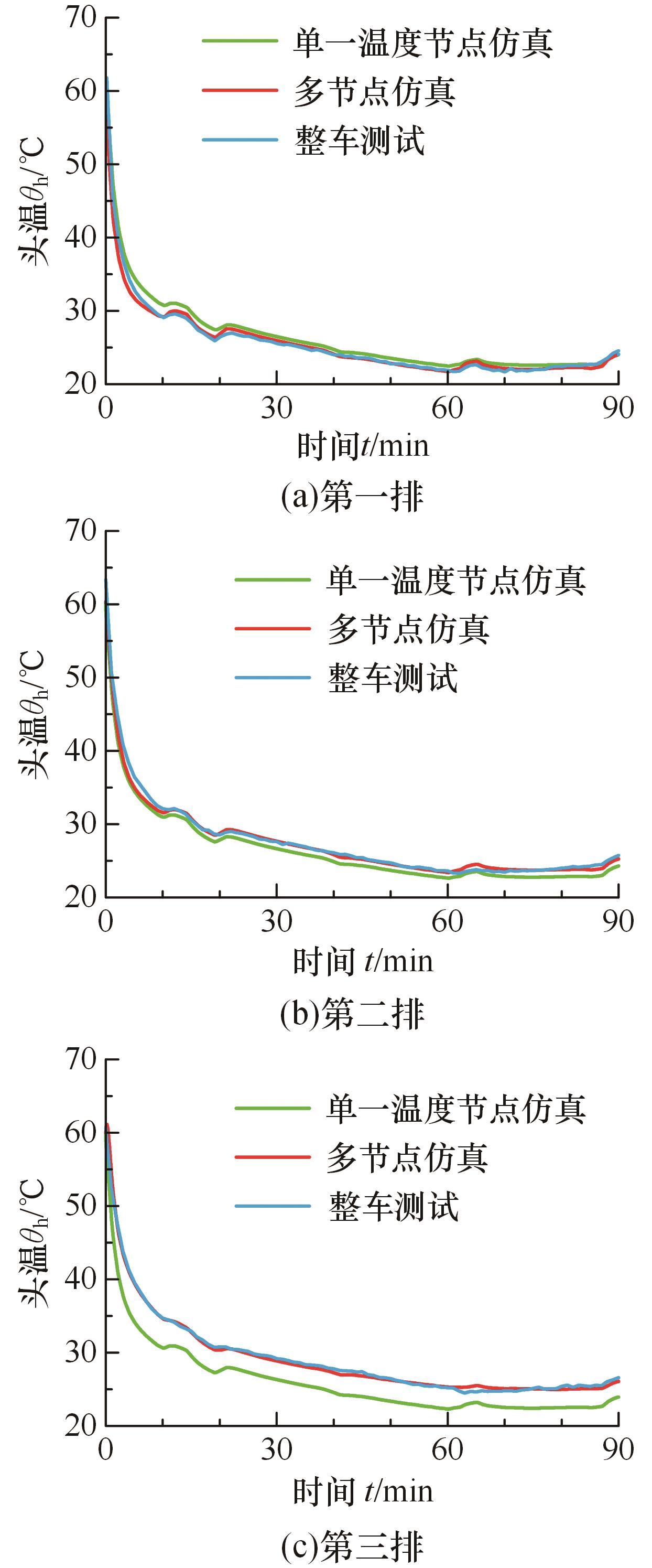
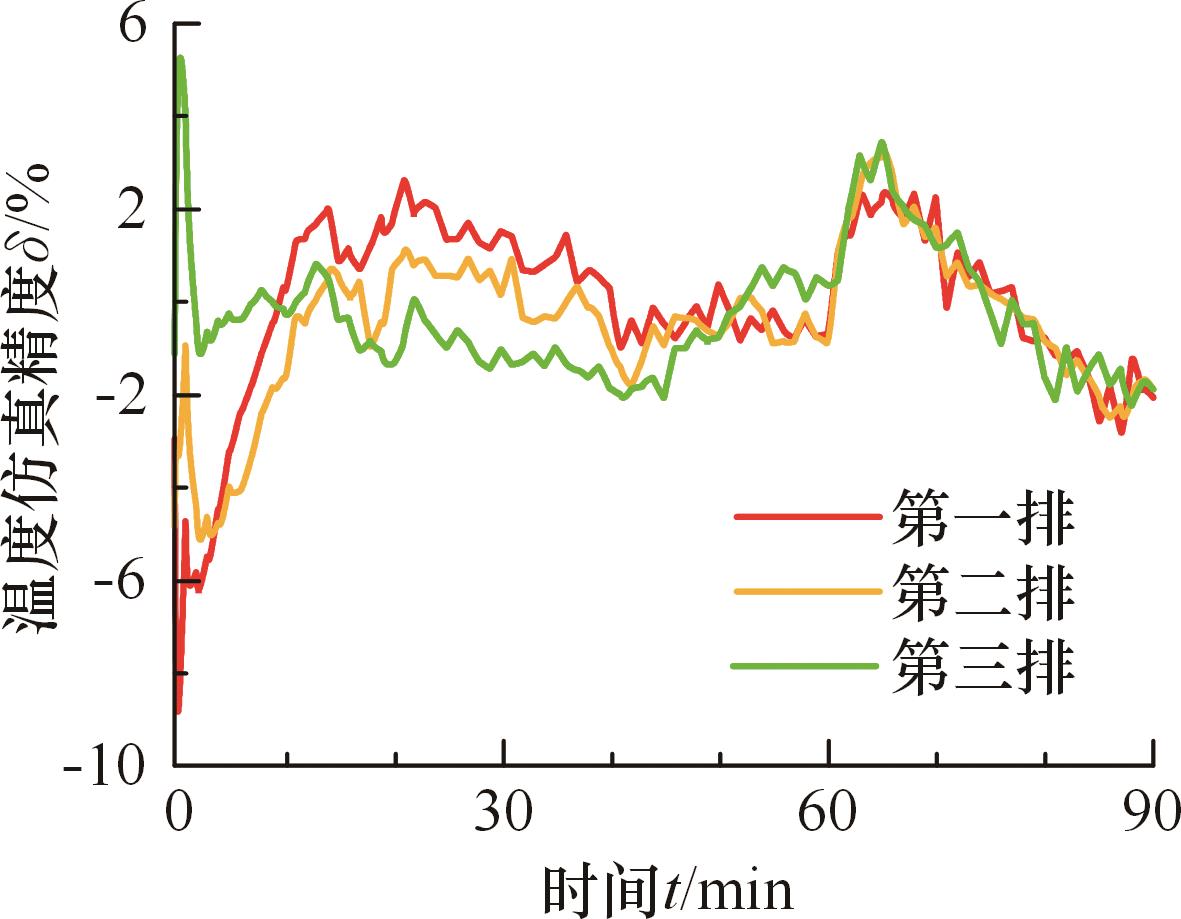
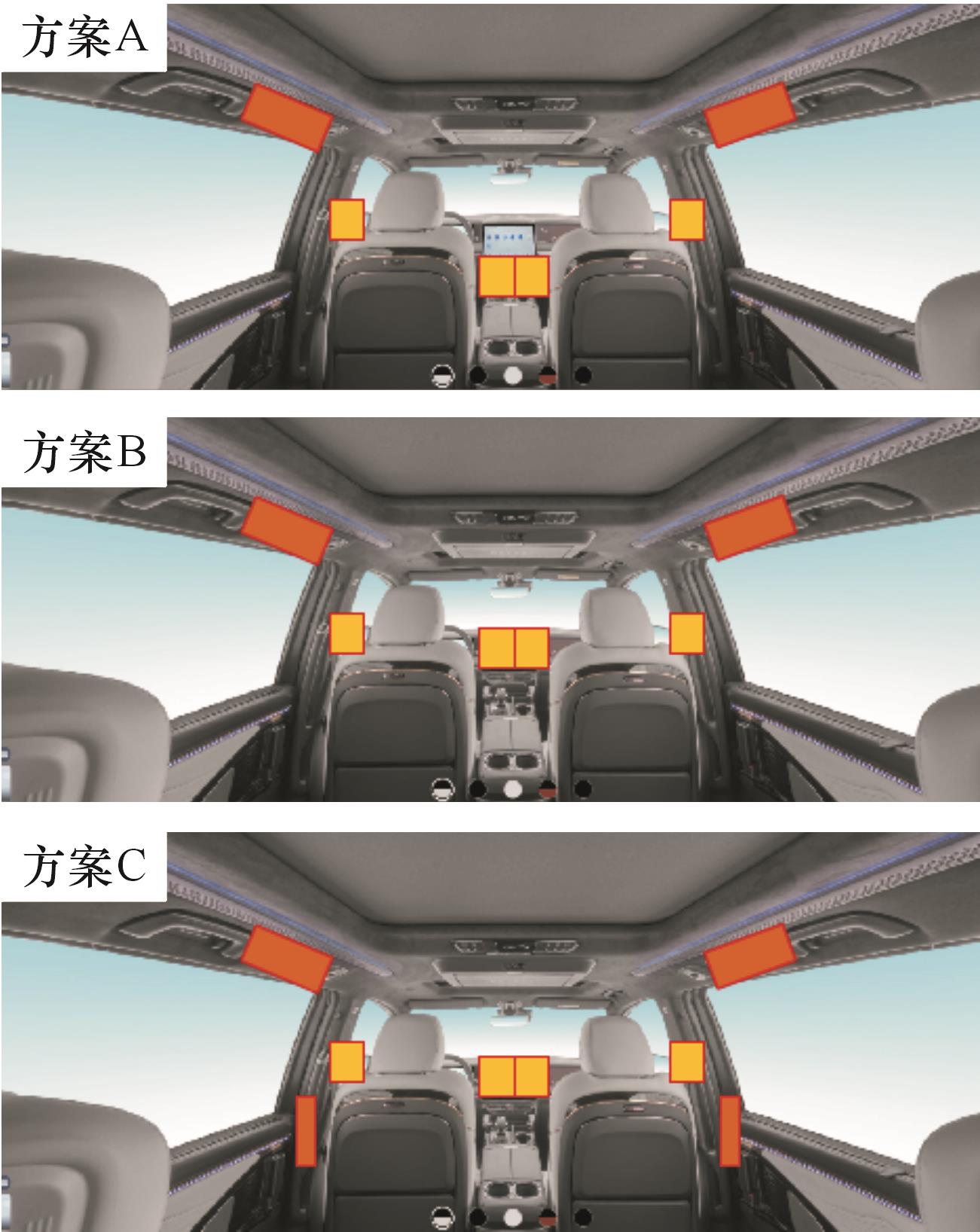
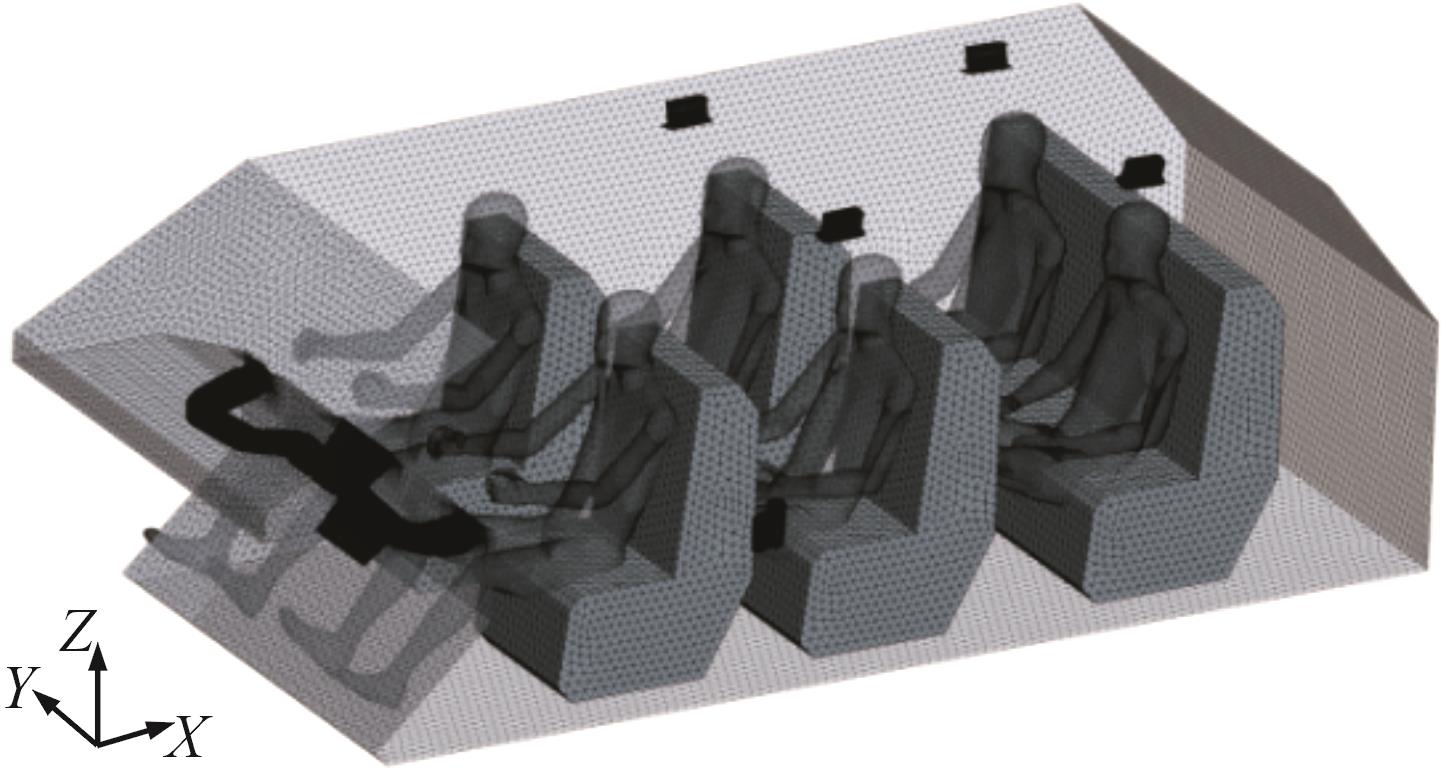
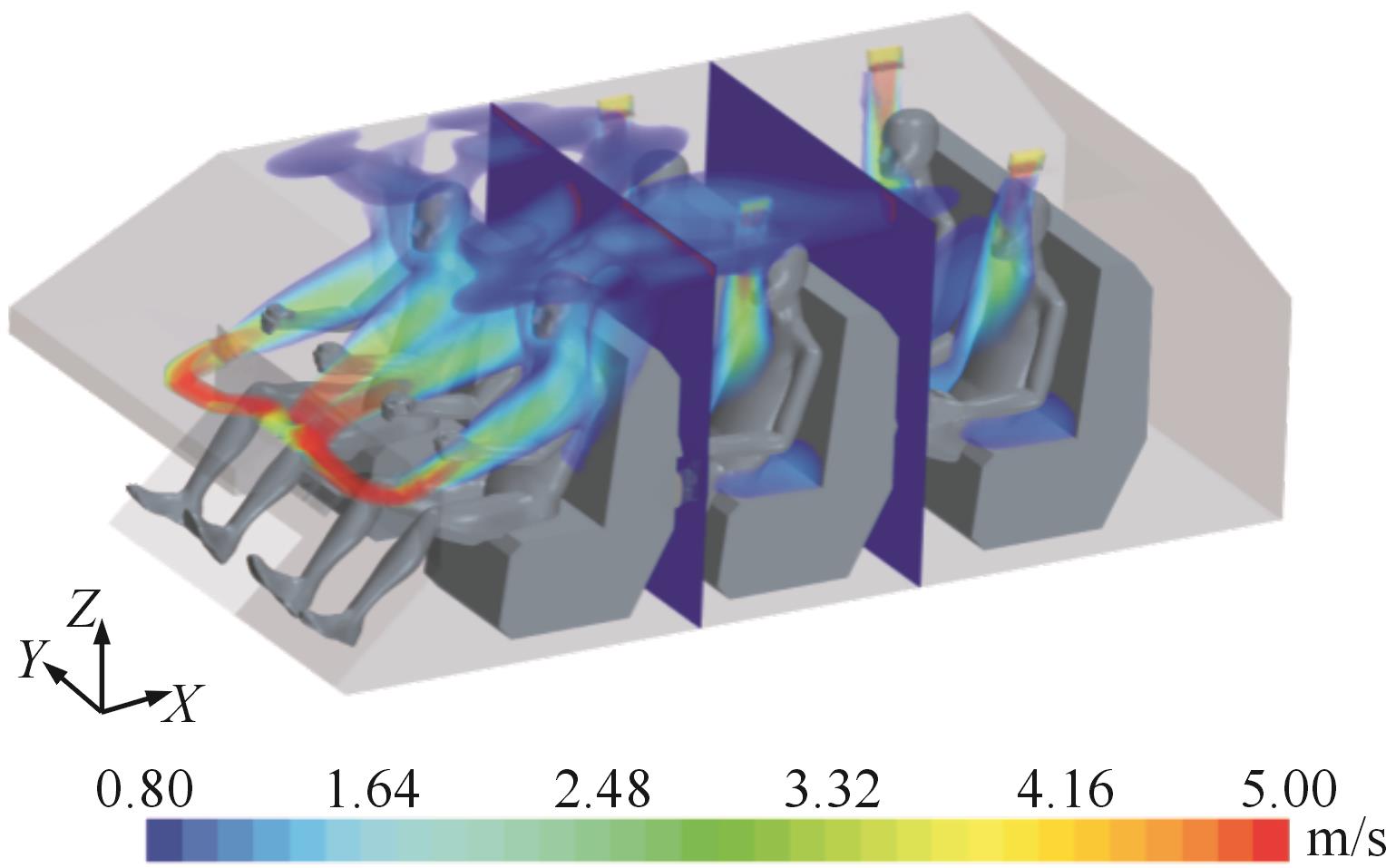
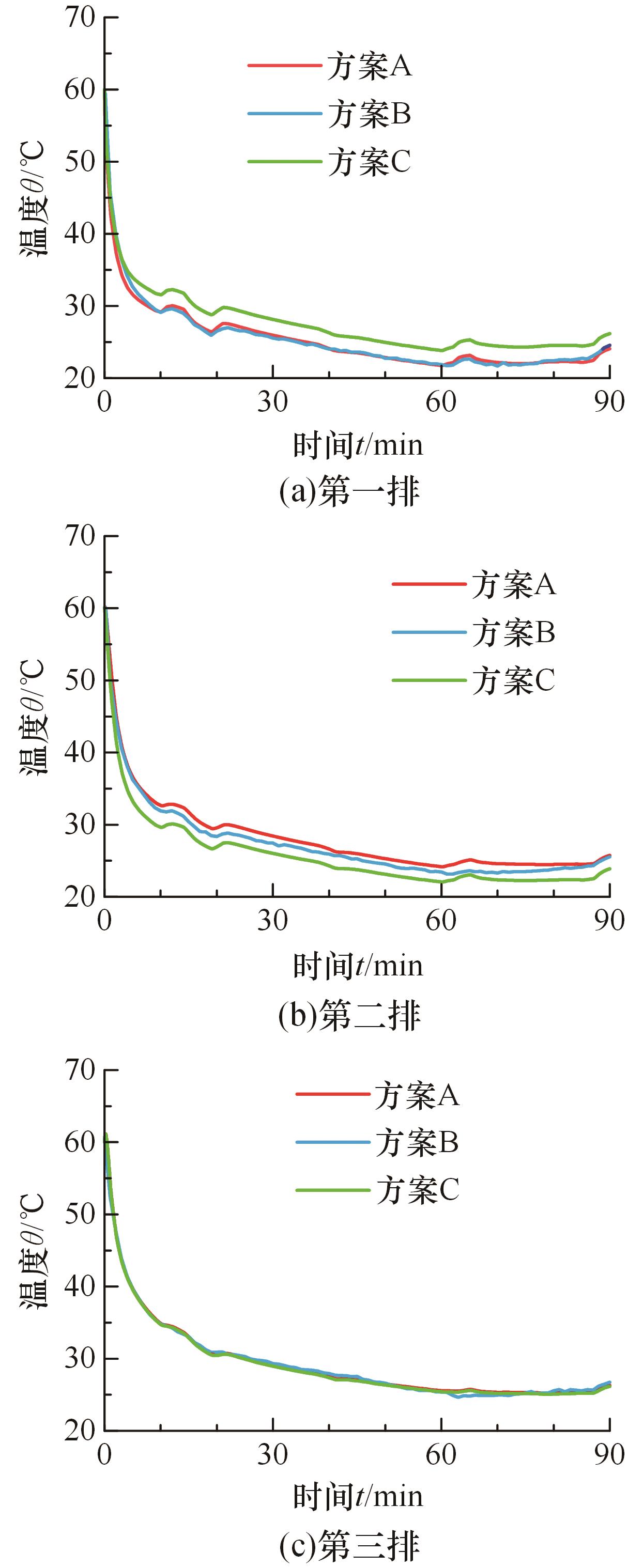
基于耦合的一维模型和三维模型建立了汽车乘员舱多节点传热模型的仿真方法,开展了乘员舱部件材料的热物性参数测试和整车环境仓热舒适性测试,并对该仿真方法的计算精度进行了分析。仿真与试验测试结果表明:相比单节点传热模型仿真,多节点传热模型仿真的乘员头部温度预测精度更高,误差在5%以内,可满足工程应用。对某MPV车型的空调出风口设计方案的评估表明,该仿真方法可有效指导汽车乘员舱热舒适性能开发与方案设计。

关键词: 多节点传热模型, 汽车乘员舱, 热舒适性, 空调出风口

Abstract:

Based on coupled 1D and 3D simulations, a multi-node heat transfer model for the vehicle cabin was established. Thermophysical properties of cabin materials were measured, and thermal comfort tests were conducted in an environmental chamber. The simulation accuracy was then validated. The results show that the multi-node model predicts occupant head temperature with higher accuracy (error within 5%) than the traditional single-node model, and meets engineering requirements. Evaluation of air conditioning outlet designs for an MPV model indicates that the proposed method can effectively guide the development and optimization of cabin thermal comfort performance.

Key words: multi-node heat transfer model, vehicle cabin, thermal comfort, air conditioning vent

中图分类号: