


中国机械工程 ›› 2026, Vol. 37 ›› Issue (4): 814-820.DOI: 10.3969/j.issn.1004-132X.2026.04.005

• 低碳设计理论与方法 • 上一篇    下一篇

大语言模型驱动的产品低碳设计知识建模方法

余昇1,2(), 何斌1,2()   

  1. 1.上海大学机电工程与自动化学院, 上海, 200444
    2.上海市智能制造及机器人重点实验室, 上海, 200444
  • 收稿日期:2025-10-29 出版日期:2026-04-25 发布日期:2026-05-11
  • 通讯作者: 何斌
  • 作者简介:余昇,男,1997年生,博士研究生。研究方向为低碳设计方法学、大语言模型。E-mail:1480766537@qq.com
    何斌*(通信作者),1978年生,教授,博士研究生导师。研究方向为低碳设计方法学、机器人。E-mail:mehebin@shu.edu.cn
  • 基金资助:
    国家重点研发计划(2023YFB4704304);国家自然科学基金(52075312)

Large Language Model-driven Knowledge Modeling Method for Low-carbon Product Design

YU Sheng1,2(), HE Bin1,2()   

  1. 1.School of Mechatronic Engineering and Automation,Shanghai University,Shanghai,200444
    2.Shanghai Key Laboratory of Intelligent Manufacturing and Robotics,Shanghai,200444
  • Received:2025-10-29 Online:2026-04-25 Published:2026-05-11
  • Contact: HE Bin

摘要:

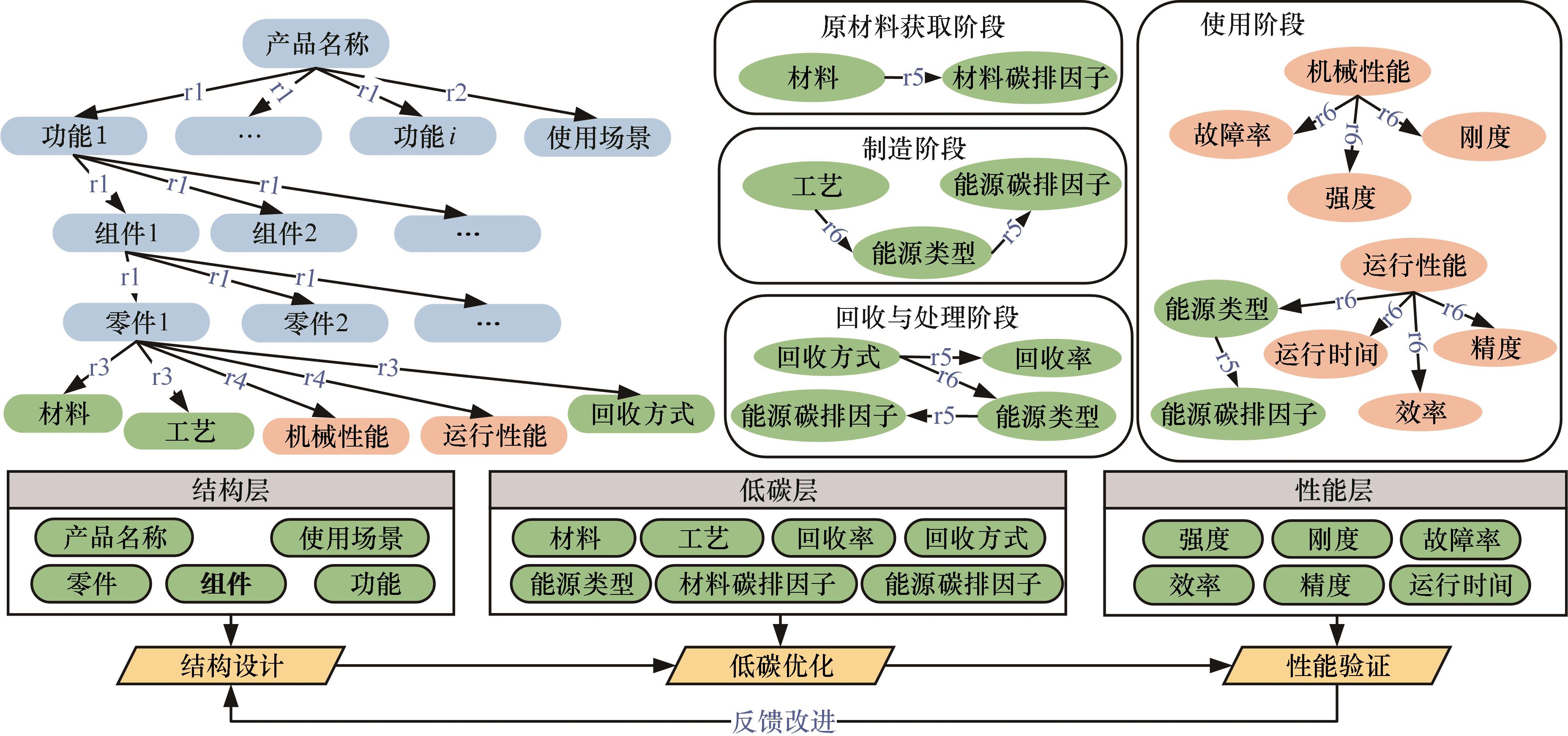
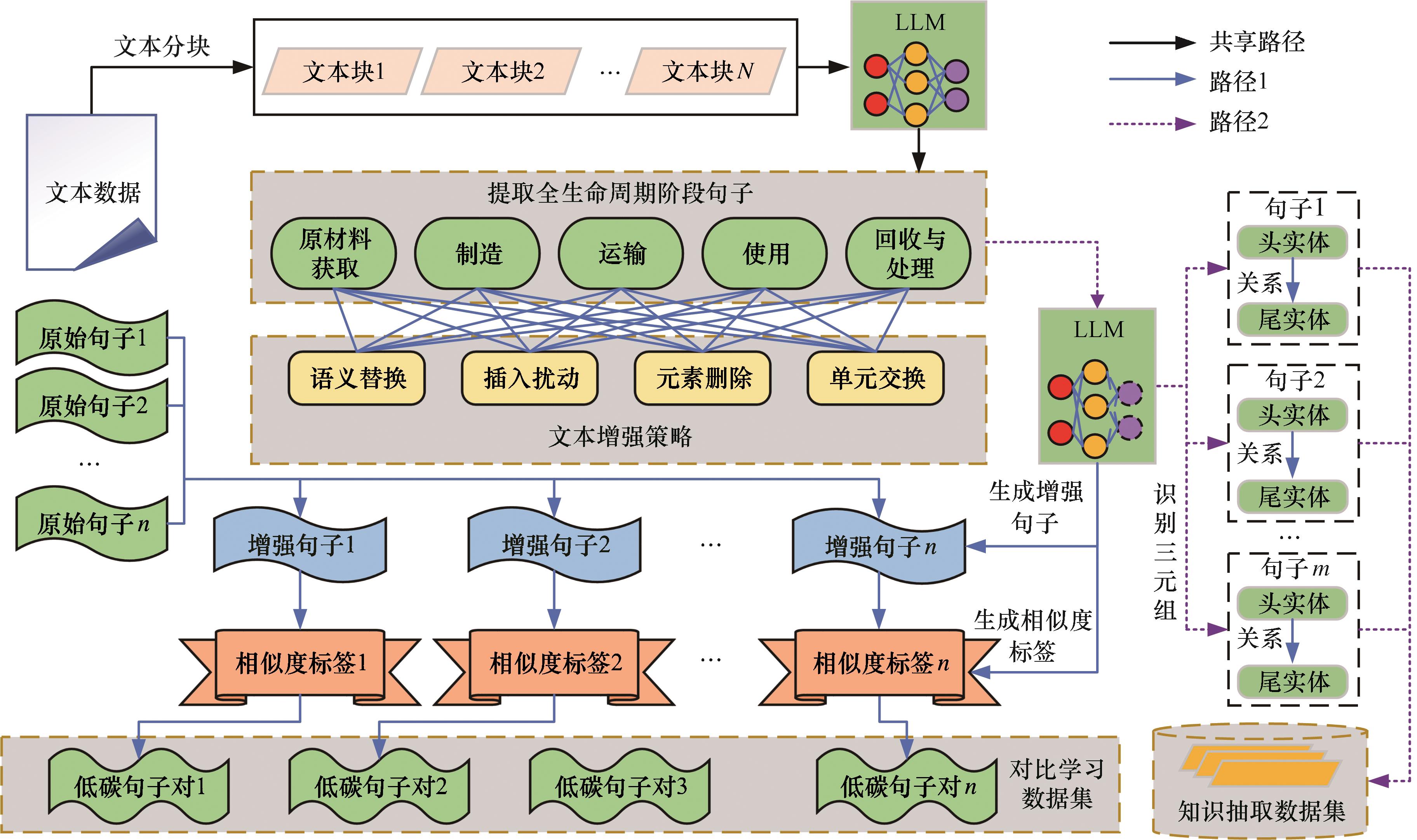
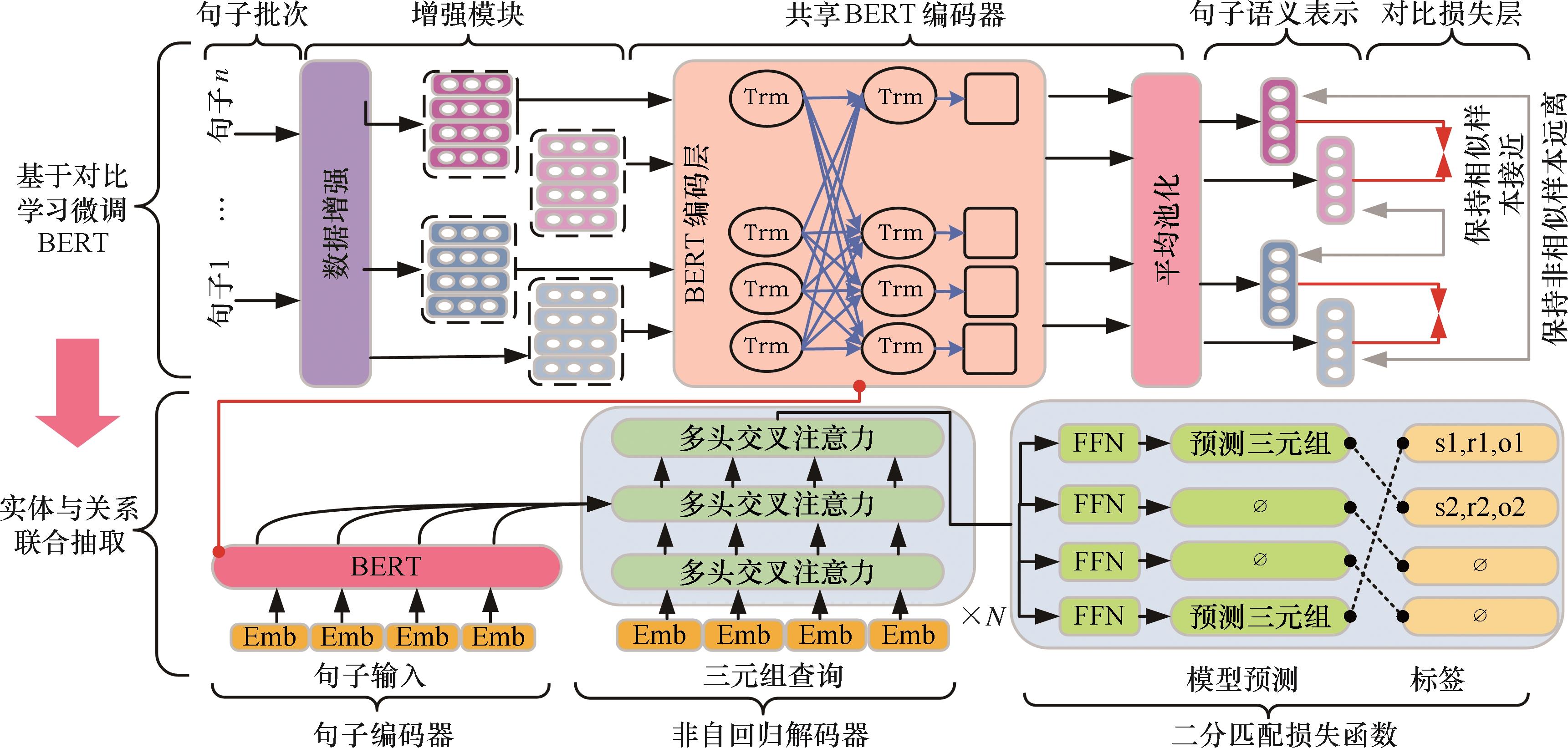
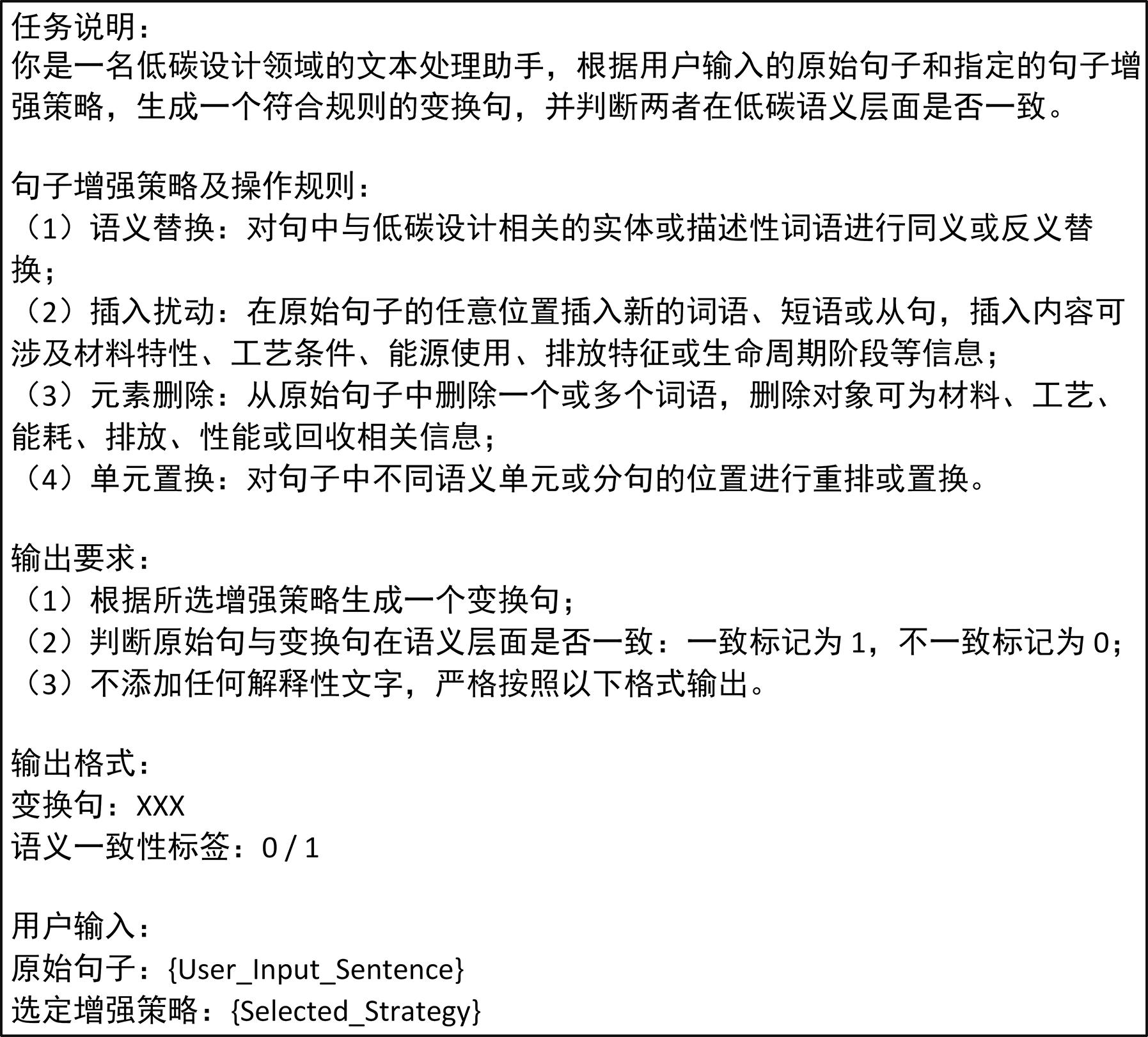
针对产品低碳设计知识多源异构、语义建模复杂等问题,提出了一种大语言模型驱动的低碳设计知识建模方法。构建了涵盖产品结构、低碳要素及性能约束的领域本体,实现从结构设计到性能验证的语义层次表达;提出了基于大语言模型的数据标注范式,通过双路径协同实现低碳设计数据的自动化语义标注;设计了基于对比学习的知识抽取模型,通过对比学习增强BERT对语义边界进行识别,以此改进集合预测网络的语义编码,实现多实体、多关系的精确抽取。结果表明,该方法在精确率、召回率和F1值方面分别达到84.2%、82.7%和83.4%,为低碳设计知识的语义建模提供了智能化路径。

关键词: 低碳设计, 大语言模型, 知识建模, 知识抽取, 数据标注

Abstract:

To address the challenges of multi-source heterogeneity and semantic complexity in low-carbon product design knowledge, a large language model-driven approach for low-carbon design knowledge modeling was proposed. A domain ontology covering product structure, low-carbon factors, and performance constraints was constructed to achieve semantic hierarchical representation from structural design to performance verification. A data annotation paradigm based on large language models was developed, which enables automated semantic labeling of low-carbon design data through a dual-path collaborative mechanism. A contrastive learning-based knowledge extraction model was designed to enhance BERT’s capability in recognizing semantic boundaries and to improve the semantic encoding of the set prediction networks, thereby achieving accurate extraction of multi-entity and multi-relation information. Experimental results show that the proposed method achieves accuracy, recall, and F1 scores of 84.2%, 82.7%, and 83.4%, respectively, providing an intelligent pathway for semantic modeling of low-carbon design knowledge.

Key words: low-carbon design, large language model, knowledge modeling, knowledge extraction, data labeling

中图分类号: